The Best Burger Sauce
Five minutes, no cooking, and better after an hour in the fridge. The pickle brine is the part everyone leaves out.
- Prep
- 5 min
- Rest
- 1 hr
- Makes
- Makes about 1¼ cups (300 ml)
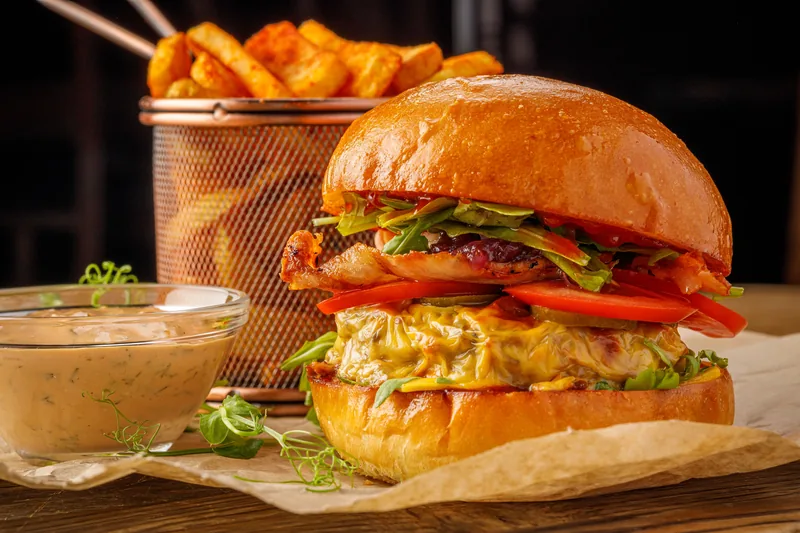
Every burger chain has a version of this and they are all built the same way: mayonnaise for fat, ketchup for sweetness and color, pickle for acid and crunch, and something warm underneath — paprika, onion, a little mustard.
Mayonnaise is doing structural work, not just tasting rich. It is an emulsion — oil droplets suspended in a little water and egg yolk — and that suspension is what lets a sauce cling to a hot patty instead of running off it. It is also why the ratio is roughly four parts mayo to one part ketchup. Push more ketchup in and the water in it starts to outweigh the oil, the emulsion loosens, and you get something pink and runny that soaks into the bottom bun.
The ingredient most recipes skip is a spoonful of the pickle brine itself. It thins the sauce to a pourable consistency without diluting the flavor the way water or milk would, and it adds acidity in a form that reaches every part of the sauce rather than sitting in the pickle pieces. Two tablespoons is the difference between a sauce that sits in a lump on the bun and one that spreads.
Finely chopped pickles, not relish. Relish is sweetened and it pushes the whole thing toward candy.
Chop them fine and then pat them dry, which is the step that decides whether the sauce survives three days. Pickle pieces keep leaching brine after they go in, and a sauce that was perfect on Monday is thin and separated by Wednesday because of it. Dry the chopped pickle on a paper towel, add the brine deliberately, and you control the water instead of it arriving on its own schedule.
Rest it an hour. Onion powder and paprika are dry and need time to hydrate; straight after mixing the sauce tastes dusty and slightly harsh, and an hour later it does not. This is not a marginal difference.
Powdered garlic and onion rather than fresh, and that is a keeping decision as much as a flavor one. Raw garlic crushed into a mayonnaise turns sharp and faintly bitter within about two days as its sulfur compounds keep reacting; the dried version is stable and tastes the same on day five as on day one. If you want fresh garlic, make a smaller batch and eat it that night.
The failure to watch for is a sauce that tastes flat rather than wrong — no single thing off, just dull. That is almost always acid, and the reason is that fat blunts the tongue's read on it. A sauce balanced by tasting on a spoon will taste underseasoned on a burger, because the patty brings its own fat and salt. Taste it on a torn piece of bun if you want to know what it will actually do. It cuts the other way as well: on a black bean burger, which brings almost no fat of its own, the same sauce lands sharper than it did on the spoon, so go lighter on the brine.
For something cooked and smoky rather than cold and sharp, make homemade barbecue sauce instead. It is also the right dip for air fryer salmon bites when you want something sharper than cream.
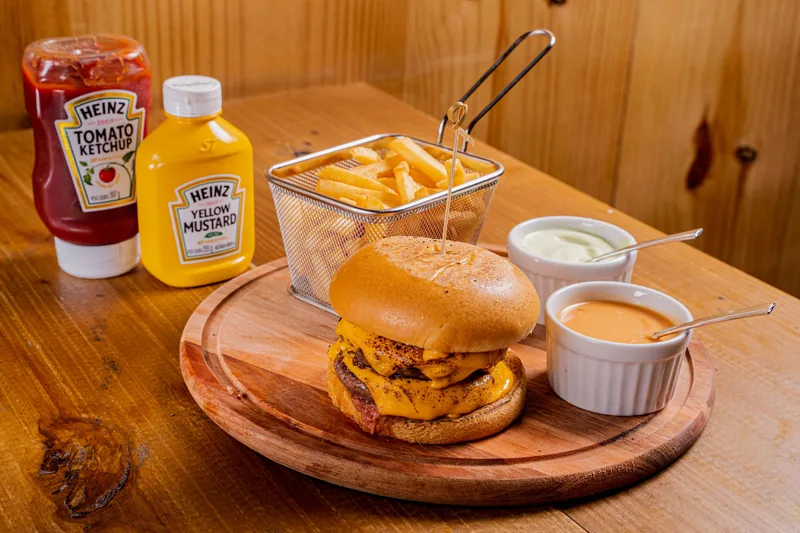
Homemade burger sauce: the card
Five minutes, no cooking, and better after an hour in the fridge. The pickle brine is the part everyone leaves out.
What you need
- 1 cup (240 g) mayonnaise
- ¼ cup (60 g) ketchup
- 2 tbsp yellow mustard
- ⅓ cup (60 g) dill pickles, very finely chopped
- 2 tbsp pickle brine from the jar
- 1 tsp onion powder
- 1 tsp smoked paprika
- 1 tsp white wine vinegar
- ½ tsp garlic powder
- ¼ tsp cayenne
- Black pepper
Mix, then wait
- 1 Chop the pickles as finely as you can, then pat them dry on a paper towel. Anything larger than a grain of rice reads as a lump rather than texture.
- 2 Whisk everything together in a bowl until completely smooth and uniformly pale orange.
- 3 Cover and refrigerate at least an hour. This is the step that makes it taste finished rather than mixed.
- 4 Taste before serving and adjust: more brine if it is thick, more cayenne if it is flat.
Keeping and using it
- Keeps a week refrigerated. It thickens slightly overnight; loosen with a little more brine.
- Also good on fries, in a chicken sandwich, and as a dip for anything fried.
- Doubles and triples exactly. The only thing that does not scale is the cayenne — increase it by half, taste, and go from there.
- Use full-fat mayonnaise. Light mayo is emulsified with starch and water in place of some of the oil, and it thins out badly once the brine goes in.
- For a smokier version, swap 1 teaspoon of the ketchup for chipotle in adobo, finely mashed. For a sweeter one, add 1 teaspoon of honey rather than switching to relish.
- Do not freeze it. Mayonnaise emulsions break on thawing and come back as oil sitting on a curdled base.
Consistency, keeping and swaps
Less ketchup, no sweet relish, and smoked paprika instead of a dressing base. Thousand Island is built to be a salad dressing, so it is sweeter and thinner; this is built to hold its place on a hot bun. They are close relatives and the difference is mostly sugar.
Wet pickles. They keep releasing brine long after they are mixed in, and once enough water joins the emulsion it loosens. Pat the chopped pickle dry before it goes in. A sauce that has already thinned can be brought back with 2 more tablespoons of mayonnaise whisked in.
Greek yogurt works and it is a different sauce — tangier, lighter, and it will not cling the same way, because it has a fraction of the oil. Expect to cut the vinegar and brine back, since the yogurt is already sour. Half mayo, half yogurt is the version most people prefer if the point is to lighten it.
Two hours is the safe ceiling, and one if it is above 90°F (32°C) outside. Commercial mayonnaise is acidic enough to be fairly hostile to bacteria on its own, but the moment it is stirred into a bowl with everything else that protection is diluted. Keep the bowl on ice and refill it in small batches.
You can, but there is a shortcut worth knowing: stir the onion powder, garlic powder and paprika into the pickle brine and vinegar first and let that sit for five minutes before anything else joins it. The spices hydrate far faster in thin liquid than in a fatty emulsion, and it gets you most of the way in a tenth of the time.
Another sauce to make
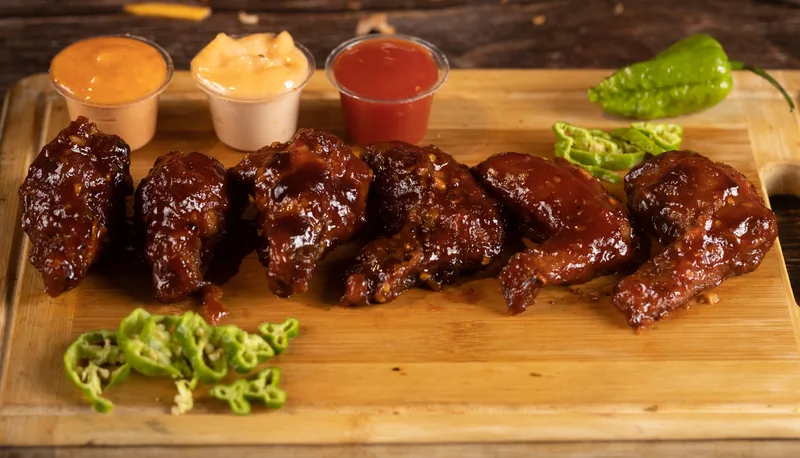
Homemade Barbecue Sauce
A thick Kansas City-style sauce built on tomato, molasses and smoked paprika. Twenty minutes on the stovetop and it keeps a month.
- Total time
- 35 min
- Yield
- Makes about 2½ cups (600 ml)
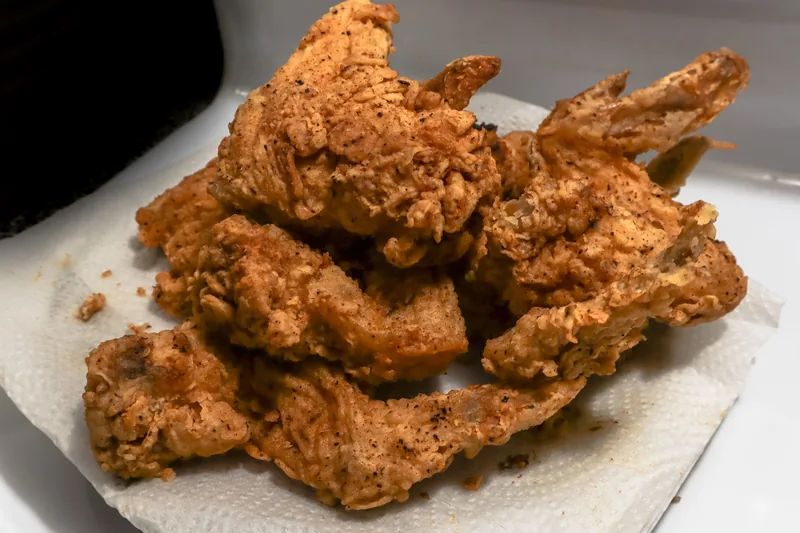
Air Fryer Fried Chicken
Buttermilk-brined thighs in a craggy seasoned crust, crisp all over in 25 minutes without a pot of hot oil.
- Total time
- 4 hr 45 min
- Yield
- Serves 4
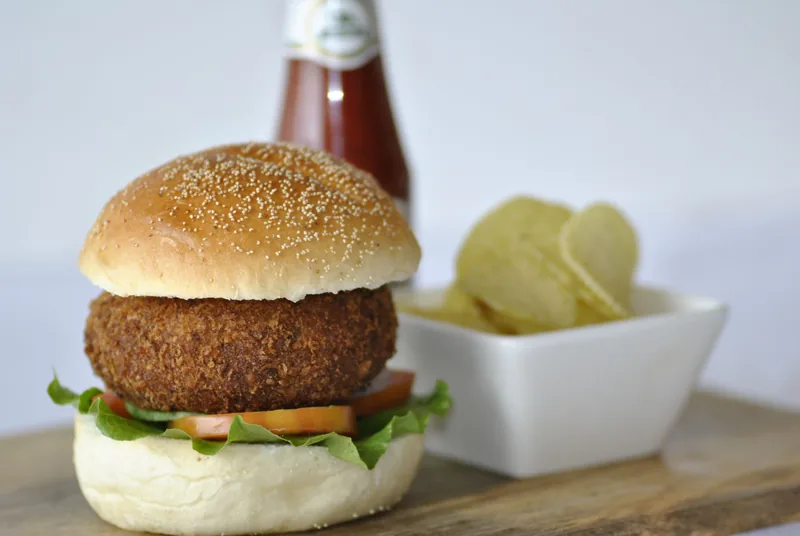
Black Bean Burger
Beans dried in the oven first, so the patty holds together in a skillet and browns into a real crust instead of collapsing into paste.
- Total time
- 1 hr 20 min
- Yield
- Makes 4 burgers