Homemade Barbecue Sauce
A thick Kansas City-style sauce built on tomato, molasses and smoked paprika. Twenty minutes on the stovetop and it keeps a month.
- Prep
- 10 min
- Cook
- 25 min
- Makes
- Makes about 2½ cups (600 ml)
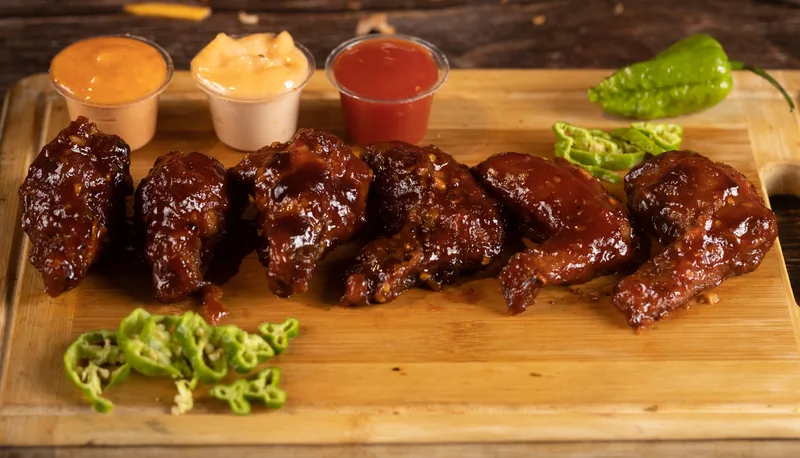
Bottled barbecue sauce is mostly high-fructose corn syrup and smoke flavoring. The homemade version costs about a third as much, takes twenty-five minutes of mostly unattended simmering, and lets you decide how sweet it gets — which is the whole argument, because commercial sauces are sweeter than almost anyone actually wants.
This is the Kansas City style: tomato-based, thick enough to cling to a rib, balanced between sweet, sour and smoke. The molasses is not interchangeable with more brown sugar. It brings a bitterness that stops the sauce tasting like ketchup with ambitions, and it is what gives the finished sauce its near-black color.
Start from tomato purée, not tomato paste. They are not the same concentration — paste has had roughly two-thirds of its water driven off already, so a cup-for-cup swap gives you something closer to spackle than sauce. If paste is all there is, use a third of a cup and make up the rest with water.
Simmer it uncovered and low. A lid traps the water you are trying to drive off, and a rolling boil scorches the sugars against the base of the pan — you will smell it before you see it. Twenty-five minutes at a bare bubble reduces it by about a quarter, which is the difference between a sauce that coats and one that runs off.
Nothing thickens this but evaporation and the pectin already in the tomato. There is no cornstarch in it and there should not be; a starch-thickened barbecue sauce turns gluey on hot meat and goes slick and separated in the refrigerator.
The done cue is a spoon, not a timer. Drag a wooden spoon across the base of the pan and the trail it leaves should hold for a beat before closing. Remember it will thicken by roughly another third as it cools, so a sauce that looks right at a simmer will be too stiff cold.
Heavy pan, and scrape the corners. Sugar and molasses sink, and the spot where the base meets the side of the pan is where they catch first. If you taste a bitterness that was not there ten minutes ago, pour the sauce into a clean pan immediately and do not scrape the bottom of the old one — burnt sugar travels through a whole batch in a minute.
Mustard powder is doing more than adding heat. Dry mustard has no pungency at all until it meets water, at which point an enzyme in the seed generates the compounds that sting; those compounds are volatile and a long simmer drives most of them off, leaving a rounder, savory depth behind. If you want the bite as well, hold back half a teaspoon and stir it in at the end.
Smoked paprika, not liquid smoke. Paprika carries its smoke on fat-soluble compounds that bloom in the warm sauce and stay in the background. Liquid smoke is concentrated condensate and reads as ashtray the moment you go a drop over, which is most of the time.
It is better the next day. The vinegar edge settles and the smoke comes forward. The same is true of beef stew, for the same reason. It is also the sauce this site reaches for with air fryer fried chicken. A spoonful whisked into the mayonnaise dressing of a Big Mac wrap takes it somewhere smokier than the drive-through, and the jar keeps for weeks in the refrigerator, so there is usually some to spare.
BBQ sauce, printed
A thick Kansas City-style sauce built on tomato, molasses and smoked paprika. Twenty minutes on the stovetop and it keeps a month.
Twelve store-cupboard things
- 2 cups (480 ml) canned tomato purée or passata
- ½ cup (120 ml) cider vinegar
- ¼ cup (85 g) molasses
- ⅓ cup (70 g) dark brown sugar
- 2 tbsp Worcestershire sauce
- 1 tbsp smoked paprika
- 2 tsp mustard powder
- 1 tsp garlic powder
- 1 tsp onion powder
- 1 tsp fine salt
- ½ tsp cayenne
- ½ tsp black pepper
Whisk cold, simmer low
- 1 Whisk everything together in a heavy saucepan while it is still cold. Doing this off the heat stops the mustard powder and paprika clumping.
- 2 Bring it to a bare simmer over medium heat, then drop the heat until it is barely bubbling.
- 3 Cook uncovered for 25 minutes, stirring every few minutes and scraping the base. It should reduce by about a quarter and darken noticeably.
- 4 Taste and adjust: more vinegar if it is flat, more molasses if it is sharp, more cayenne if it is dull.
- 5 Cool completely before bottling. It thickens further as it cools.
Keeping it, and a Carolina variation
- Keeps a month in a sealed jar in the fridge. The vinegar and sugar do the preserving.
- For a Carolina-style sauce, double the vinegar and drop the molasses to a tablespoon.
- Brush it on in the last 10 minutes of grilling, never at the start — the sugar burns long before the meat is done.
- Use mild or unsulphured molasses. Blackstrap is a different product, far more bitter and mineral, and it will dominate a batch this size.
- It freezes for six months. Portion it into an ice cube tray, bag the cubes, and pull out what a single dinner needs.
- Doubling is fine but use a wide pan rather than a taller one. Reduction depends on surface area, so a deep pot takes closer to 45 minutes to reach the same thickness.
Thickness, sweetness and storing it safely
Not from this recipe. Safe water-bath canning depends on a verified pH, and adjusting the sugar or tomato by taste changes that number. Refrigerate it for a month or freeze it — both are genuinely easy and neither carries the risk.
Either the pan was too narrow or the tomato was wetter than passata — some store brands are closer to strained juice. Keep simmering; there is no harm in 40 minutes, and the spoon-trail test tells you when to stop better than any clock.
Yes, and plenty of classic recipes do, but ketchup already contains sugar, vinegar and salt. Cut the brown sugar by half, the vinegar by a third, and hold the salt until you taste at the end.
Probably not. Acetic acid is volatile and sharp-edged when hot, and it settles noticeably over 24 hours as it reacts with the sugars. Judge the balance cold the next day, and only then decide whether it needs more molasses.
Add cayenne a quarter teaspoon at a time at the start of the simmer, so the heat distributes. A chipotle in adobo, blended in, gives more heat and more smoke together; hot sauce stirred in at the end adds heat and vinegar, which you may not want on top of what is already there.
What to brush it on
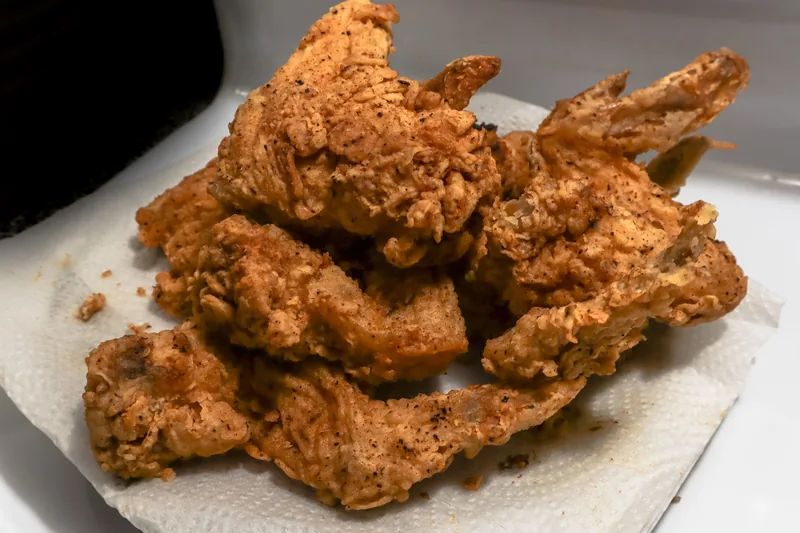
Air Fryer Fried Chicken
Buttermilk-brined thighs in a craggy seasoned crust, crisp all over in 25 minutes without a pot of hot oil.
- Total time
- 4 hr 45 min
- Yield
- Serves 4
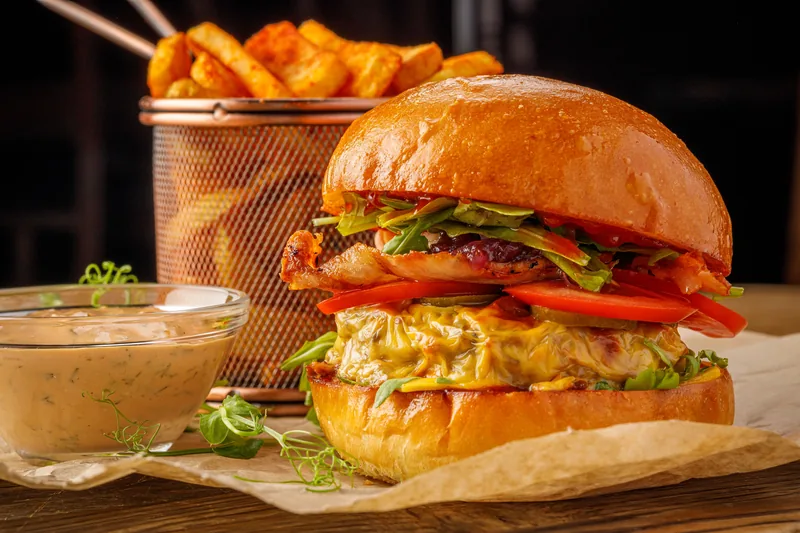
The Best Burger Sauce
Five minutes, no cooking, and better after an hour in the fridge. The pickle brine is the part everyone leaves out.
- Total time
- 1 hr 5 min
- Yield
- Makes about 1¼ cups (300 ml)
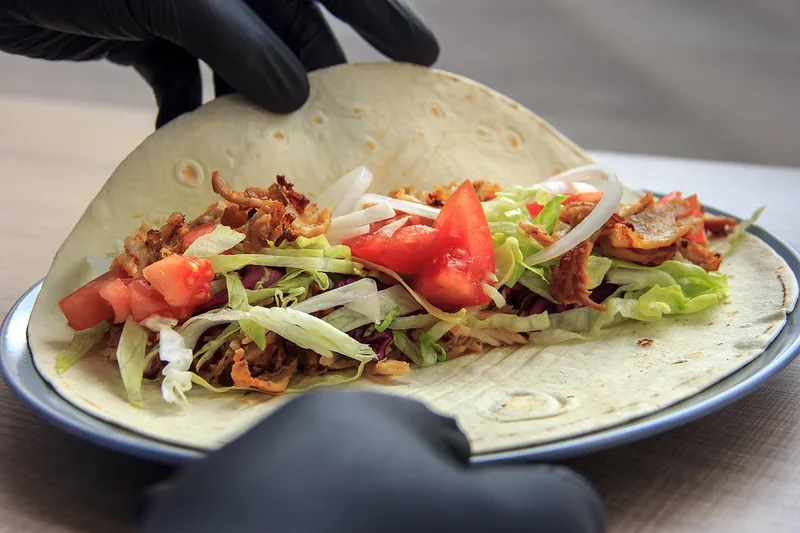
Big Mac Wraps
The familiar burger combination — tangy sauce, shredded lettuce, pickles, onion and melted cheese — rolled into a tortilla around seasoned ground beef.
- Total time
- 55 min
- Yield
- Makes 4 wraps