Black Bean Burger
Beans dried in the oven first, so the patty holds together in a skillet and browns into a real crust instead of collapsing into paste.
- Prep
- 25 min
- Cook
- 25 min
- Rest
- 30 min
- Makes
- Makes 4 burgers
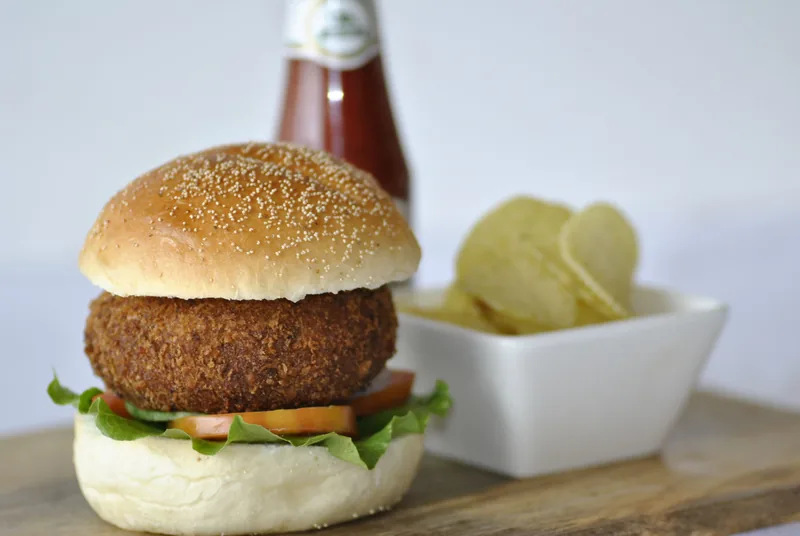
Every bad bean burger has the same cause: water. A can of black beans is roughly two-thirds liquid by weight even after draining, and that water has nowhere to go in a skillet except out of the patty, which is why the thing sags, sticks, and comes apart on the spatula. More breadcrumbs do not fix it. They absorb the water and turn the inside pasty, which is how you get a burger that is simultaneously wet and dry.
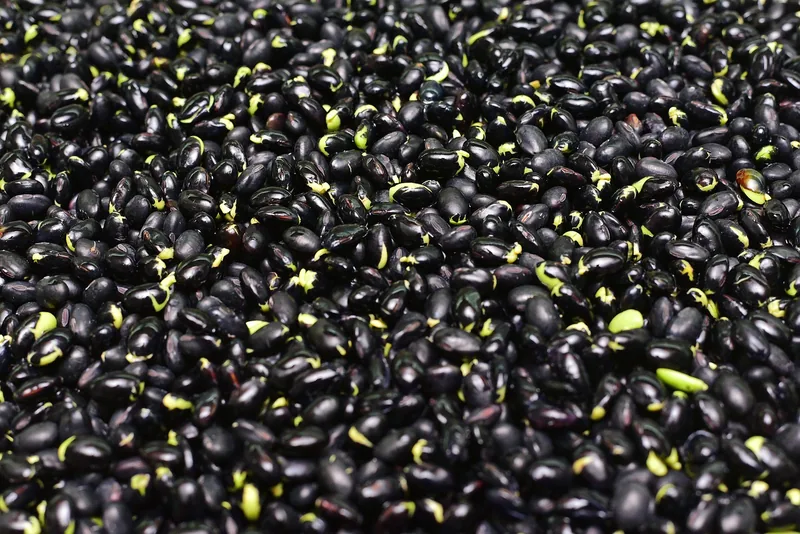
The fix is to take the water out before the patty exists. Spread the rinsed beans on a sheet pan and put them in a 325°F (165°C) oven for 15 minutes. They will split, their skins will go papery, and they will look faintly wrinkled. That is about a third of their moisture gone, and it is the single difference between a patty that holds and one that does not. It costs fifteen minutes of unattended oven time and it is not optional.
The vegetables need the same treatment, just on the stove. Raw onion and bell pepper are mostly water too, and folding them in uncooked reintroduces exactly what the oven just removed. Cook them down until the pan is dry and the onion has gone translucent and a little brown at the edges. You should be able to tilt the skillet and see no liquid running.
Mash half, leave half. A fully mashed patty has the texture of refried beans and reads as mush no matter how well it browns. Whole beans left through it give something to bite. Half is a reliable ratio: press the beans against the side of the bowl with a fork until roughly half are broken and the rest are still intact, and stop there.
Chill the formed patties for at least thirty minutes. Cold fat and set starch hold their shape through the first two minutes in the pan, which is the window in which a bean burger either falls apart or does not. A patty that goes from bowl to skillet has had no chance to firm up and will spread.
Then treat it like a steak, not like a stir-fry. A thin film of oil, medium-high heat, four to five minutes on the first side, and no touching. The crust that forms is what holds the burger together when you flip it, and it only forms if the surface stays in contact with the pan. Prodding, pressing and early flipping are what break these burgers, not the recipe.
You can tell it is ready to turn by sound and sight: the sizzle settles from loud to steady, and the edge of the patty looks dry and set a quarter inch up the side. Slide a thin spatula under in one committed movement. If it resists, it is not ready — give it another thirty seconds and it will release on its own.
A bean burger has no fat to baste itself with, so it needs a sauce with some. Burger sauce does that job, and roasted sweet potato bites alongside make it a plate. If you are feeding a crowd, the half hour the patties spend chilling is almost exactly the time creamy mushroom dip needs in the oven.
The black bean burger, printed
Beans dried in the oven first, so the patty holds together in a skillet and browns into a real crust instead of collapsing into paste.
Patty mix and what goes on the bun
For the patties
- 2 cans (15 oz / 425 g each) black beans, drained and rinsed
- 2 tbsp olive oil, plus 2 tbsp for frying
- 1 small onion, finely diced
- 1 red bell pepper, finely diced
- 3 garlic cloves, minced
- 1½ tsp ground cumin
- 1 tsp smoked paprika
- ½ tsp chipotle powder
- 1 large egg, beaten
- 1 tbsp soy sauce
- ¾ cup (45 g) panko breadcrumbs
- 1 tsp fine salt
- ½ tsp black pepper
To serve
- 4 burger buns, toasted
- 4 slices sharp cheddar or pepper jack, optional
- Lettuce, sliced tomato and red onion
- Burger sauce or mayonnaise
Drying, forming and searing the patties
- 1 Heat the oven to 325°F (165°C). Spread the rinsed beans on a sheet pan in a single layer and bake 15 minutes, until the skins look papery and many of the beans have split. This is the step that keeps the patty together — skip it and it will not hold.
- 2 While the beans dry, warm 2 tablespoons of olive oil in a skillet over medium heat. Cook the onion and bell pepper 8 minutes, until soft and starting to brown and the pan is dry with no liquid running when you tilt it. Add the garlic, cumin, paprika and chipotle and cook 1 minute more. Let it cool.
- 3 Tip the warm beans into a large bowl and mash with a fork against the side until about half are broken and the rest are whole. Do not go further; fully mashed beans give you a paste.
- 4 Fold in the cooled vegetables, the egg, soy sauce, panko, salt and pepper. The mixture should hold a squeezed shape in your hand without weeping. If it feels wet, add panko a tablespoon at a time — but no more than 2 extra, or the texture goes dense.
- 5 Divide into 4 and form patties about ¾ inch thick and slightly wider than the buns; they shrink very little, and a thin patty dries out. Press a shallow dimple into the center of each. Refrigerate uncovered at least 30 minutes.
- 6 Heat the remaining 2 tablespoons of oil in a heavy skillet over medium-high until it shimmers. Add the patties with space between them and cook 4–5 minutes without moving or pressing. The sizzle settles and the edges look dry and set when the crust has formed.
- 7 Flip once with a thin spatula and cook 4 minutes more, adding cheese for the last minute with a lid on to melt it. Serve immediately on toasted buns — the patty softens if it sits.
Vegan swap, freezing and reheating
- Cooked-from-dry beans work and are better: use 3 cups (510 g) cooked, drained well, and still dry them in the oven.
- For a vegan version, replace the egg with 2 tablespoons ground flaxseed stirred into 5 tablespoons water and left 10 minutes. It binds slightly less, so chill the patties an hour.
- Form the patties up to 2 days ahead and keep them uncovered on a plate in the refrigerator. Uncovered is deliberate — it dries the surface further and improves the crust.
- Freeze raw patties between squares of parchment for 3 months. Cook from frozen over medium heat, 6 minutes a side.
- Cooked burgers keep 4 days. Reheat in a dry skillet over medium for 3 minutes a side; a microwave makes them soggy.
- Doubling is fine, but dry the beans in two pans rather than one crowded one, or the middle of the layer steams.
Why bean burgers break, and what to do
Almost always moisture, in one of three places: beans that were not oven-dried, vegetables added raw, or patties that went into the skillet straight from the bowl without chilling. The fourth cause is flipping early, before a crust has formed to hold the underside together.
Only on a griddle plate or a sheet of foil. Bean patties have no fat and no collagen, so they have nothing to stop them dropping through grill grates once they soften. A skillet is genuinely the better tool for this burger.
You can — 400°F (200°C) for 20 minutes, turning once — and they will hold together perfectly and taste flatter. The browning that happens against a hot oiled surface is most of the flavor here, which is why the recipe is written for a skillet.
Beans are mild and need savory depth that salt alone does not provide. Soy sauce brings glutamates, which is the same thing Worcestershire or a spoon of miso would do. Use any of them.
For the vegetables, yes. For the beans, no — a processor takes them past half-mashed in about two seconds and there is no way back from a smooth puree. Use a fork.
Sauce and sides for burger night
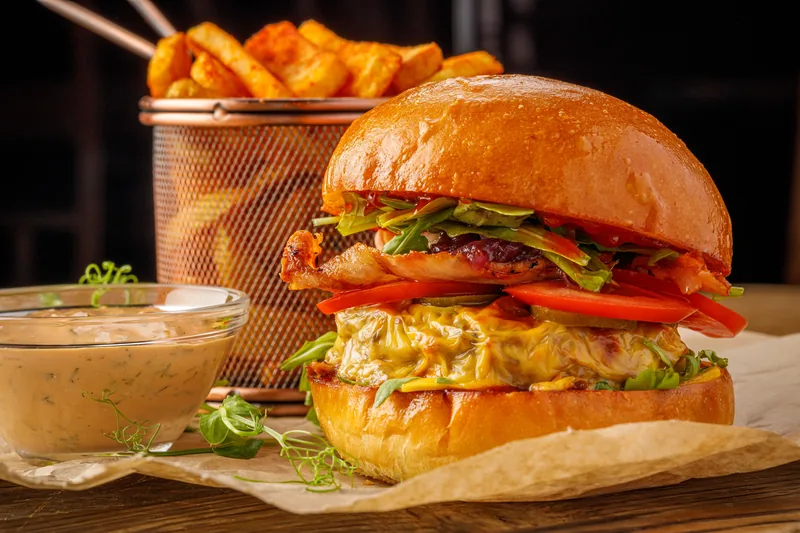
The Best Burger Sauce
Five minutes, no cooking, and better after an hour in the fridge. The pickle brine is the part everyone leaves out.
- Total time
- 1 hr 5 min
- Yield
- Makes about 1¼ cups (300 ml)
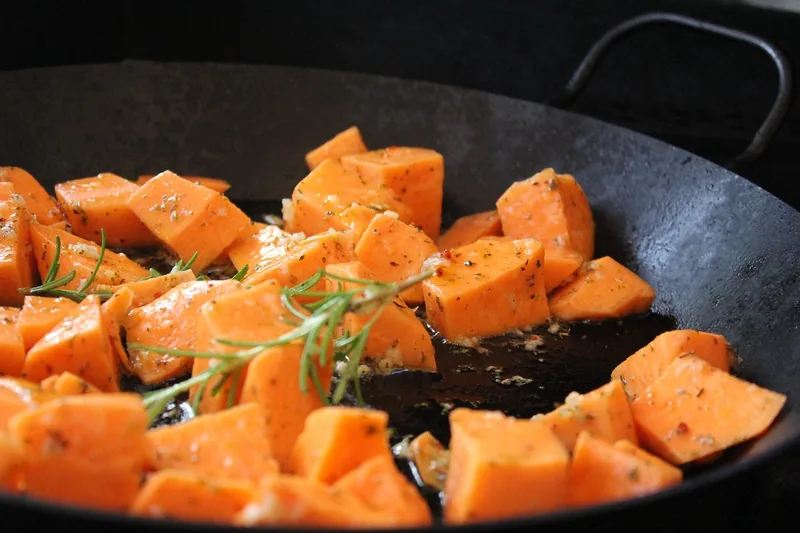
Roasted Sweet Potato Bites
Caramelized at the edges, soft inside. High heat, a hot tray, and enough space between the cubes.
- Total time
- 40 min
- Yield
- Serves 6
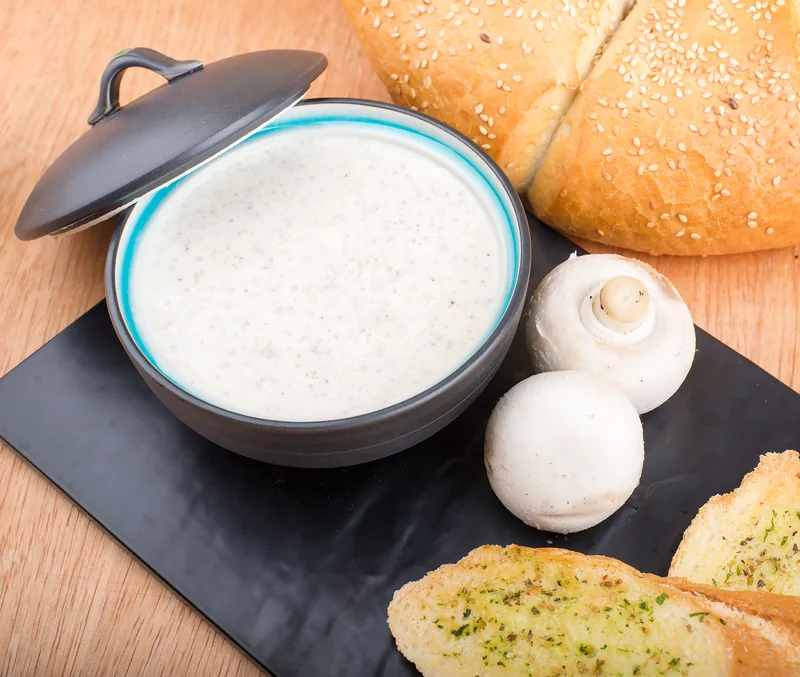
Creamy Stuffed Mushroom Dip
Everything that goes inside a stuffed mushroom — garlic, herbs, cream cheese, a buttered crumb top — baked as one scoopable dish.
- Total time
- 1 hr 10 min
- Yield
- Serves 10 as an appetizer