Chinese Sweet and Sour Sauce
Clear, glossy and sharp enough to cut through fried food. No ketchup, no food coloring, ready in eight minutes.
- Prep
- 5 min
- Cook
- 8 min
- Makes
- Makes about 1½ cups (350 ml)
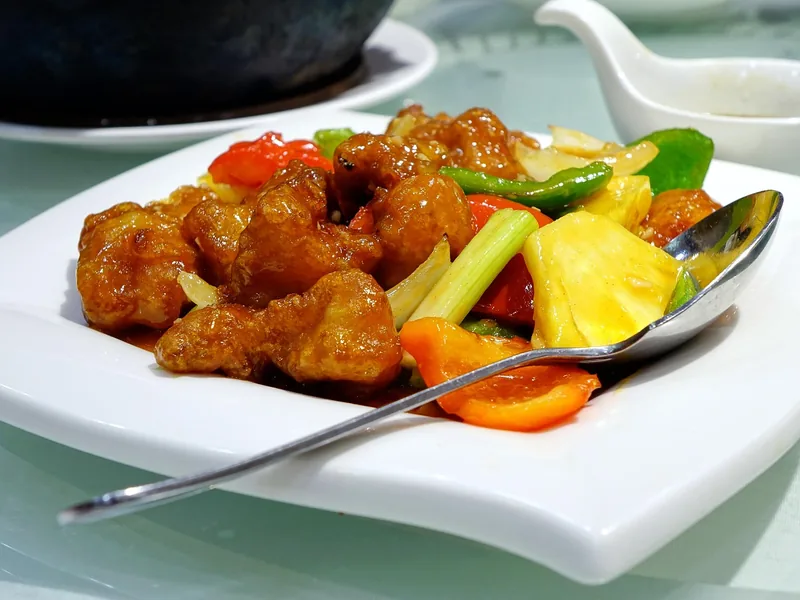
Takeout sweet and sour sauce is usually ketchup, sugar and red dye, which is why it tastes of tomato and sugar and nothing else. The version worth making is built on rice vinegar and pineapple juice, and it comes out amber rather than fluorescent.
Sweet and sour is a balance problem before it is a recipe. Sugar coats the tongue; acid strips it back off. The sauce works only when neither one wins, and the ratio to hold onto is roughly one part vinegar to one part sugar to two parts juice. Everything else can move. Below that much acid the sauce is just syrup, and the whole purpose of it — cutting through something fried — disappears.
Rice vinegar rather than distilled white. Both are about 5% acetic acid, so they are equally sour on paper, but white vinegar is sour in a flat, chemical way while rice vinegar carries a faint sweetness of its own and reads as rounded. Cider vinegar is an acceptable substitute. Malt vinegar is not; it tastes of the beer it came from.
The tomato paste is there for color and nothing else. One tablespoon tints the sauce a warm orange and adds a little savory depth from the glutamates in concentrated tomato. Three tablespoons and you have made ketchup, which is the thing you were avoiding.
Cornstarch, not flour, and it goes in as a cold slurry. Cornstarch thickens clear and glossy; all-purpose flour thickens cloudy and tastes raw unless cooked much longer. Whisk it with cold water first: dropped dry into hot liquid it seizes into lumps that never come out. The lumps form because the outer granules of each clump swell and gelatinize on contact, sealing dry powder inside a waterproof shell. Cold water gets between the granules before any of them can swell, which is the entire reason for the extra bowl.
Cornstarch also has a narrow working window. It needs real heat to thicken at all — the granules swell and rupture at around 203°F (95°C), so a sauce kept below a simmer never sets — and once they have ruptured, continued boiling keeps breaking them down and the sauce thins back out. Watch the surface rather than the clock. It goes from matte to glossy in a few seconds, and a whisk drawn through it leaves a trail that closes slowly. Take it off the heat the moment it thickens. That is the one way to fail at this.
Taste it twice, hot and again once it has cooled to room temperature. Sweetness registers most strongly near body heat, so a sauce balanced in a boiling pan often lands sharp in a cold dipping bowl. Adjust when it is cool and you will be adjusting the version people actually eat.
It is the dipping sauce for fresh spring rolls when the peanut version feels too heavy, and the right thing to pour over air fryer fried chicken if you want the takeout plate at home.
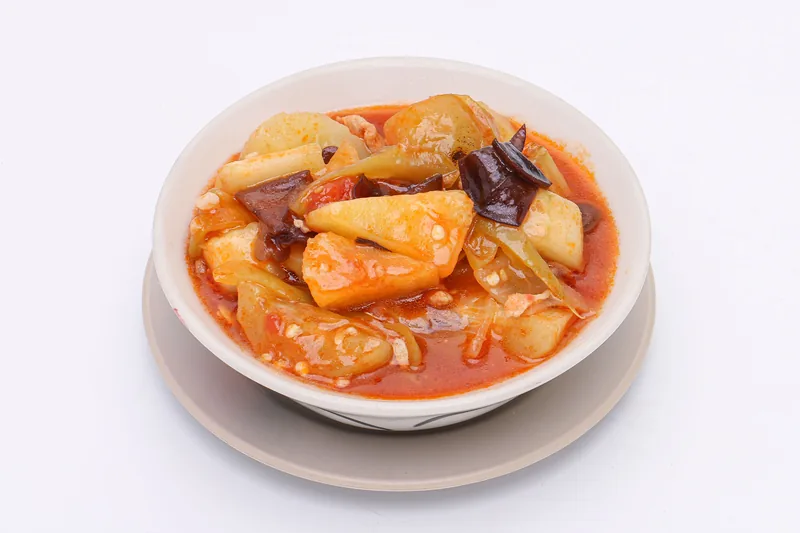
Sweet and sour sauce, printed
Clear, glossy and sharp enough to cut through fried food. No ketchup, no food coloring, ready in eight minutes.
Eight ingredients
- 1 cup (240 ml) pineapple juice
- ½ cup (120 ml) rice vinegar
- ½ cup (100 g) superfine sugar
- 2 tbsp light soy sauce
- 1 tbsp tomato paste, for color
- 2 garlic cloves, minced
- 1 tsp grated fresh ginger
- 2 tbsp cornstarch mixed with 3 tbsp cold water
Simmer, thicken, stop
- 1 Put everything except the cornstarch slurry into a saucepan and whisk to dissolve the sugar.
- 2 Bring to a simmer over medium heat and cook 3 minutes, so the garlic and ginger lose their raw edge.
- 3 Whisk the cornstarch slurry again — it settles within a minute — and pour it in while stirring.
- 4 Cook 1–2 minutes more until the sauce turns glossy and coats the back of a spoon, then take it off the heat immediately.
- 5 Taste. More vinegar if it is cloying, more sugar if it is harsh. Both faults are fixable at this point and neither is once it cools.
Keeping it, and thinning it
- Keeps two weeks refrigerated. It thickens cold and loosens again when warmed.
- For a sauce to toss through a stir-fry rather than dip into, use half the cornstarch.
- Canned pineapple juice beats fresh-pressed here. It is consistent from can to can, where fresh swings wildly with the fruit and will throw the balance.
- No pineapple juice: use orange juice plus an extra tablespoon of vinegar, since orange is sweeter and much less acidic.
- It doubles cleanly, but a deeper pan takes longer to reach a simmer. Go by the gloss, not by the stated minutes.
- Do not freeze it. Cornstarch sauces weep on thawing and no amount of whisking brings the texture back.
Cloudy and thin sweet and sour sauce
All-purpose flour instead of cornstarch, or a slurry that was not whisked smooth before it went in. Cornstarch is what makes it translucent.
It was boiled too long after thickening. Cornstarch breaks down under prolonged heat. Off the heat as soon as it coats a spoon.
The opposite problem: the pan never got hot enough. Cornstarch granules only swell and burst at around 203°F (95°C), so a sauce held at a lazy steam will stay watery indefinitely. You need to see bubbles breaking the surface.
Because there is no dye in it. The fluorescent color of takeout sweet and sour comes from food coloring, sometimes with ketchup underneath. Amber is what this tastes like; red is what that looks like.
Yes, but brush it on in the last few minutes only. It is a third sugar by weight, and sugar starts to scorch well below the temperature most roasting and broiling happens at. Applied early it goes bitter and black long before the meat is done.
What to pour it over
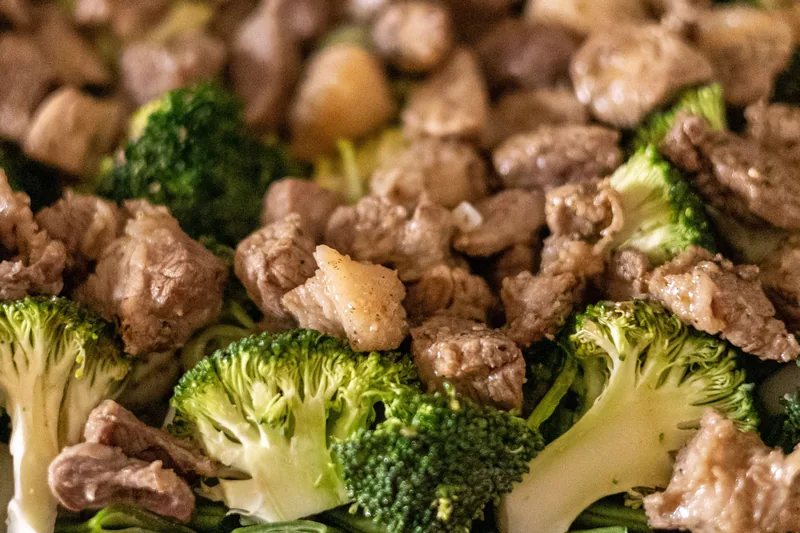
Crockpot Beef and Broccoli
Chuck steak braised until it gives, in a glossy soy and ginger sauce, with broccoli added at the very end so it stays green.
- Total time
- 5 hr 20 min
- Yield
- Serves 6
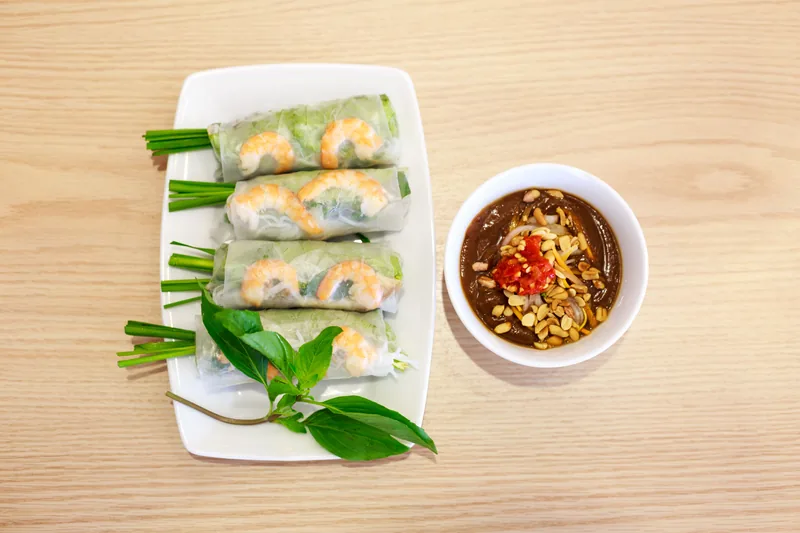
Beef Spring Rolls with Peanut Lime Sauce
Rice paper, herbs and seared beef, rolled cold. Nothing is cooked except the meat and the noodles.
- Total time
- 50 min
- Yield
- Makes 12 rolls
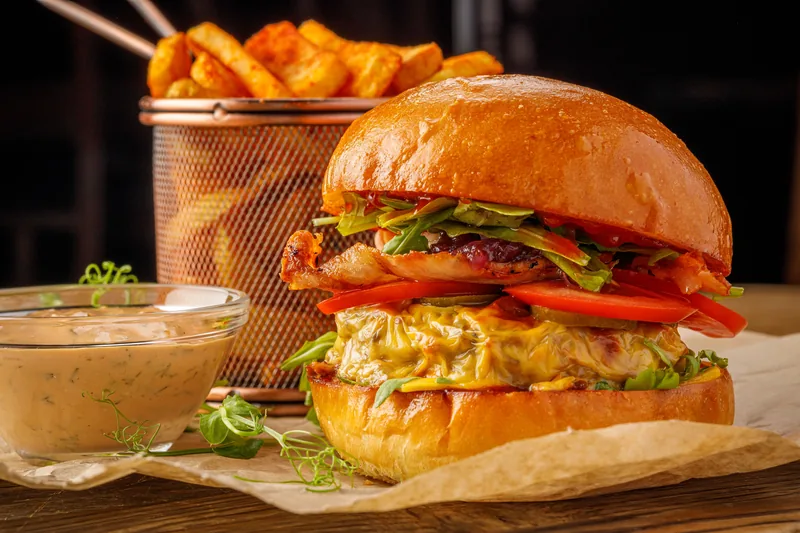
The Best Burger Sauce
Five minutes, no cooking, and better after an hour in the fridge. The pickle brine is the part everyone leaves out.
- Total time
- 1 hr 5 min
- Yield
- Makes about 1¼ cups (300 ml)