Chocolate Pecan Turtle Clusters
Toasted pecans under a firm-ball caramel and a coat of seeded dark chocolate, cooked to a thermometer so the chew is the same every time.
- Prep
- 25 min
- Cook
- 20 min
- Rest
- 1 hr 30 min
- Makes
- Makes about 18 clusters
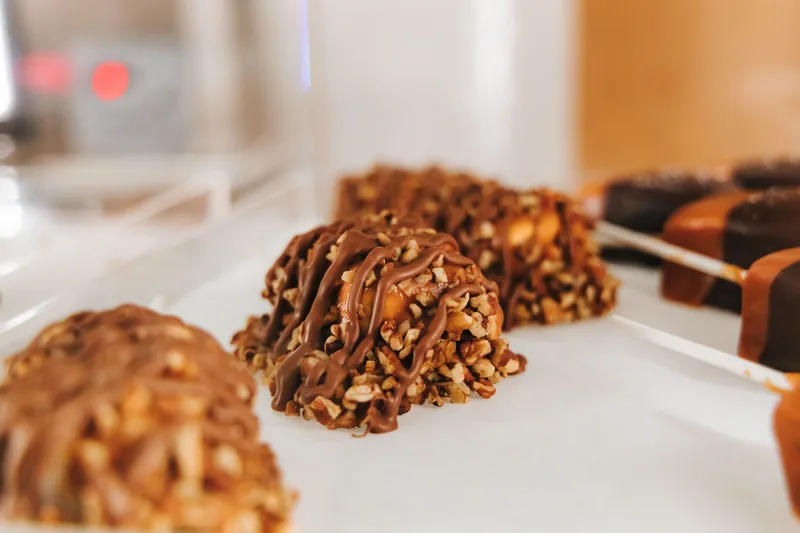
Candy is arithmetic. Caramel is sugar syrup with the water boiled out of it, and how much water is left decides everything about the finished texture — so the thermometer is not a precaution here, it is the recipe. Stop at 235°F (113°C) and the clusters will sag and stick to the paper by evening. Stop at 248°F (120°C) and they chew. Take it to 265°F (129°C) and you have made pecan brittle, which is a fine thing to have made, but not this.
The pan tells you where you are long before the thermometer settles. Around 225°F (107°C) the mixture is still loose and smells of hot cream, and the bubbles cover the whole surface in a fast rolling foam. By 240°F (116°C) the foam has climbed the sides and thickened, the bubbles are smaller and slower, and the sound changes from a rattle to something more like breathing. At 248°F (120°C) the color has gone from pale to the shade of a brown paper bag, the smell picks up a toasted edge, and a spoonful dropped into cold water forms a ball you can squash between two fingers without it flattening on its own.
Two rules keep it from going grainy. Wash down the sides of the pan once with a wet pastry brush after the sugar dissolves, and then leave it alone — no stirring after the boil starts. A single stray sugar crystal dragged back into the syrup will seed the whole pot, and grainy caramel cannot be rescued.
Chocolate is the other half and it has its own arithmetic. Cocoa butter sets into six different crystal forms and only one of them gives a glossy surface and a clean snap. Melt chocolate carelessly, let it cool on its own, and you get the soft, streaky, dull-gray set called bloom. It tastes fine. It just looks like it was made by accident.
Seeding fixes it without special equipment. Melt two thirds of the chocolate to 115°F (46°C), take it off the heat, stir in the reserved third in small pieces, and keep stirring while it falls to 89°F (32°C). Those unmelted pieces carry the crystal form you want and hand it to the rest. Below 84°F (29°C) it thickens too much to coat, so warm it back up with a few seconds of gentle heat.
If that sounds like more precision than you signed up for, the honest alternative is to skip it: melt the chocolate gently, spoon it on, and refrigerate the tray. It will set firm and taste the same, it may bloom to a dull finish after a day or two at room temperature, and nobody eating one at a holiday table has ever cared. Couverture chocolate, which carries extra cocoa butter, is more forgiving either way than chocolate chips — chips are formulated with stabilizers to hold their shape and they never flow well.
Toast the pecans. Raw ones go soft under caramel within a day; toasted ones stay crisp because the oven has already driven the surface moisture off.
For the rest of the cookie tin, there is chewy oatmeal cookies, and a chocolate mayonnaise cake if you want something to cut into slices. The tin wants something spiced as well, and chocolate cinnamon cookies ask for no thermometer at all.
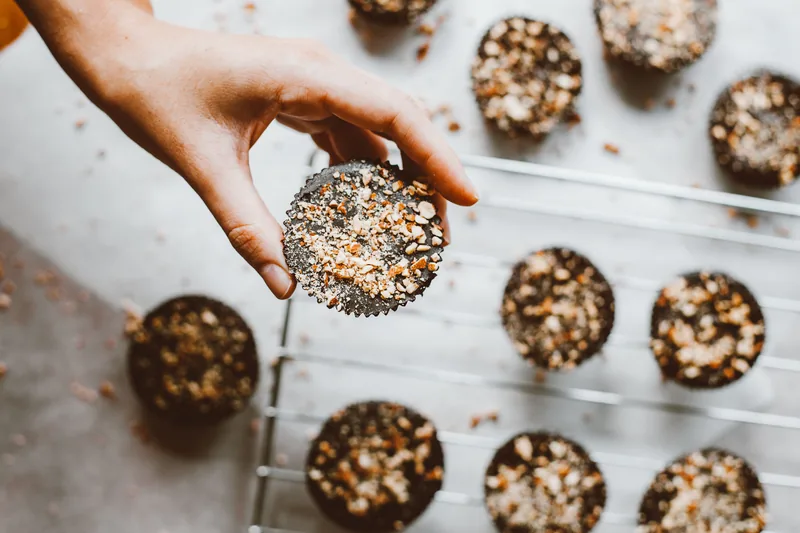
Pecan turtle clusters: the card
Toasted pecans under a firm-ball caramel and a coat of seeded dark chocolate, cooked to a thermometer so the chew is the same every time.
Nuts, caramel, chocolate
The pecans
- 2 cups (200 g) pecan halves
The caramel
- 1 cup (200 g) granulated sugar
- ⅓ cup (110 g) light corn syrup
- ½ cup (120 ml) heavy cream, warmed
- 6 tbsp (85 g) unsalted butter, cubed
- ½ tsp fine salt
- 1 tsp vanilla extract
The chocolate
- 10 oz (285 g) semisweet chocolate, 55 to 65 percent, finely chopped
- Flaky salt, for finishing
Toast, boil to firm ball, coat
- 1 Heat the oven to 350°F (180°C). Spread the pecans on a sheet pan and toast 8 to 10 minutes, until they smell nutty and the skins darken a shade. Cool completely, then arrange them on parchment in 18 overlapping clusters of 4 or 5 nuts each.
- 2 Combine the sugar, corn syrup, cream, butter and salt in a heavy saucepan at least 3 quarts (3 liters) in size — it climbs. Stir over medium heat only until the sugar has dissolved and the butter melted, then wash the sides of the pan down once with a wet pastry brush.
- 3 Clip on a candy thermometer, bring to a boil and stop stirring. Let it run 12 to 16 minutes to 248°F (120°C), swirling the pan by the handle if the color is going unevenly. Pull it off the heat the moment it reads, stir in the vanilla, and let it sit 3 minutes to thicken.
- 4 Spoon a tablespoon of caramel over each cluster, letting it pool into the gaps between the nuts rather than running off the edges. If the last of it stiffens in the pan, warm it for 20 seconds over low heat.
- 5 Leave the caramel to set firm at room temperature, about 30 minutes. Do not refrigerate it at this stage — condensation on the surface will keep the chocolate from sticking.
- 6 Melt two thirds of the chocolate over a pan of barely simmering water to 115°F (46°C). Off the heat, add the remaining third and stir steadily until it falls to 89°F (32°C) and thickens slightly.
- 7 Spoon the chocolate over each cluster, scatter with flaky salt, and leave to set at cool room temperature for an hour. Tempered chocolate loses its shine in the fridge, so keep them out.
Keeping candy, and what humidity does to it
- No thermometer, no recipe. The cold-water test is a backup, not a substitute: a firm ball that holds its shape between your fingers is roughly 248°F (120°C), but reading it off a dial is faster and repeatable.
- Walnuts or cashews work in place of pecans. Toast them the same way; cashews need about 2 minutes less.
- Store in a single layer with parchment between the layers, at cool room temperature, for up to 2 weeks. The fridge makes the caramel hard and the chocolate dull.
- Humid days are the enemy. Caramel pulls water out of the air and goes sticky; make these when the kitchen is dry, or push the target 2 degrees higher on the dial.
- Freezing works for up to 3 months. Thaw them sealed in the bag so the condensation forms on the plastic and not on the chocolate.
- Halving the batch is fine, but use a smaller pan so the thermometer stem stays submerged, or it will read low and you will overcook the caramel.
Grainy caramel and bloomed chocolate
Sugar crystallized. It happens when a crystal from the side of the pan falls back into the syrup, which is what the wet brush and the no-stirring rule are for. Corn syrup is in the ingredient list for the same reason — it physically gets in the way of crystals lining up. Once it has gone grainy there is no fix; start over.
That is bloom: the cocoa butter set in the wrong crystal form, or it separated and migrated to the surface. It is a cosmetic problem, not a spoilage one. Either seed-temper as described, or accept it and keep the finished clusters in the fridge, where the set stays firm and the look stays consistent.
They will work and they will not flow. Chips contain stabilizers that help them hold their shape in a cookie, which is the opposite of what you want in a coating — expect a thick, slightly claggy layer. A chopped bar or couverture wafers give a thinner coat and a better snap.
Firm enough to pick up without the caramel stretching, soft enough to give under a bite without cracking. If they pull like taffy at room temperature, the caramel was a few degrees short; if they snap, it went too far. Both are still edible, which is the useful thing about candy mistakes.
Not usefully. Reheating set caramel to a spoonable consistency drives off more water and shifts the texture toward brittle every time you do it. Toast the pecans ahead instead — they keep a week in a jar — and make the caramel the day you assemble.
Other things worth the chocolate
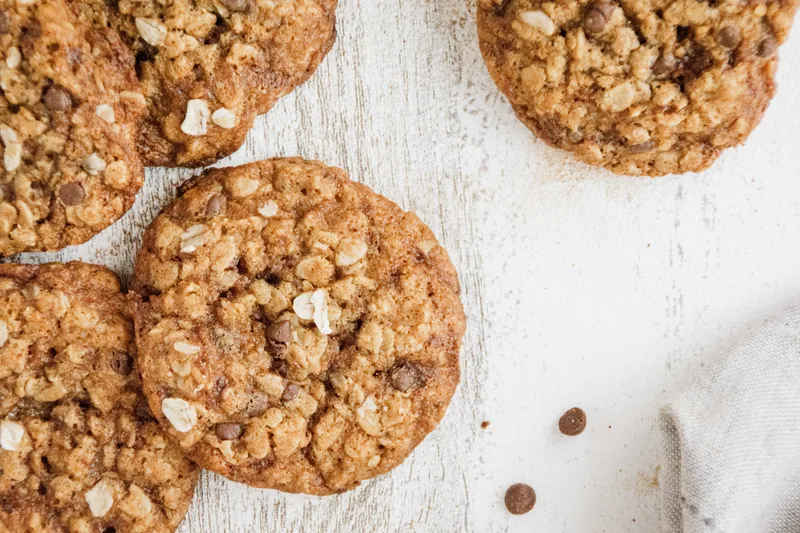
Oatmeal Chocolate Chip Cookies
Chewy in the middle, crisp at the rim, with oats you can still see. The dough rests overnight and it matters.
- Total time
- 12 hr 32 min
- Yield
- Makes 24 cookies
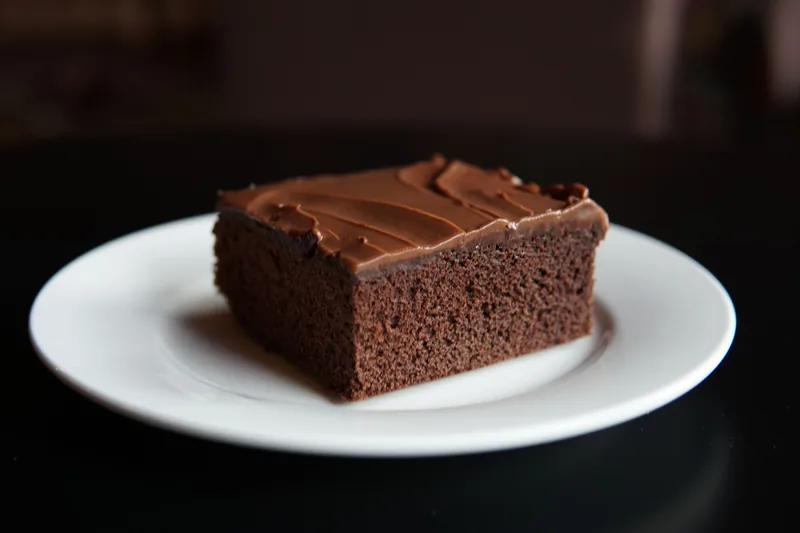
Chocolate Mayonnaise Cake
A Depression-era cake that stays damp for four days. The mayonnaise is the eggs and the oil, and you will never taste it.
- Total time
- 50 min
- Yield
- One 9-inch cake, 12 slices
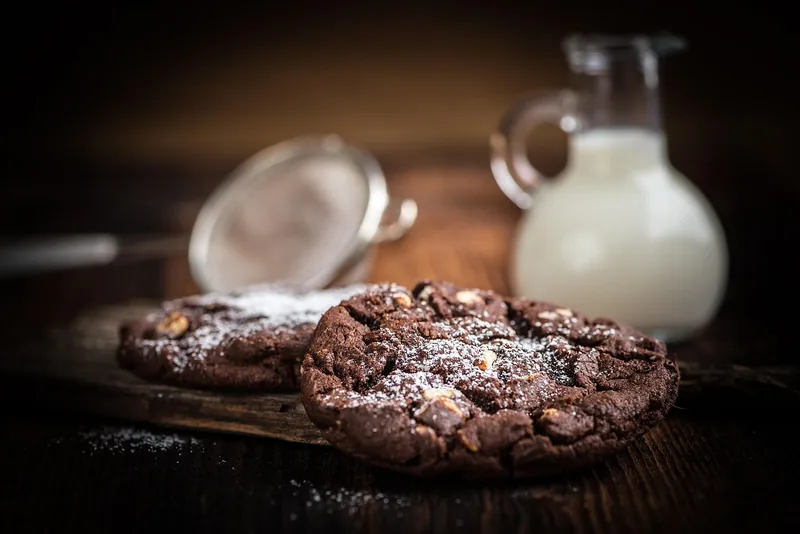
Chocolate-Cinnamon Sugar Cookies
Deep cocoa dough rolled in cinnamon sugar, baked until the tops crack and the centers are still soft enough to fold.
- Total time
- 1 hr
- Yield
- Makes about 28 cookies