Easy Fish Stew Delight
White fish poached gently in a tomato, fennel and garlic broth, with the fish added last and the pot never allowed to boil.
- Prep
- 15 min
- Cook
- 30 min
- Makes
- Serves 4
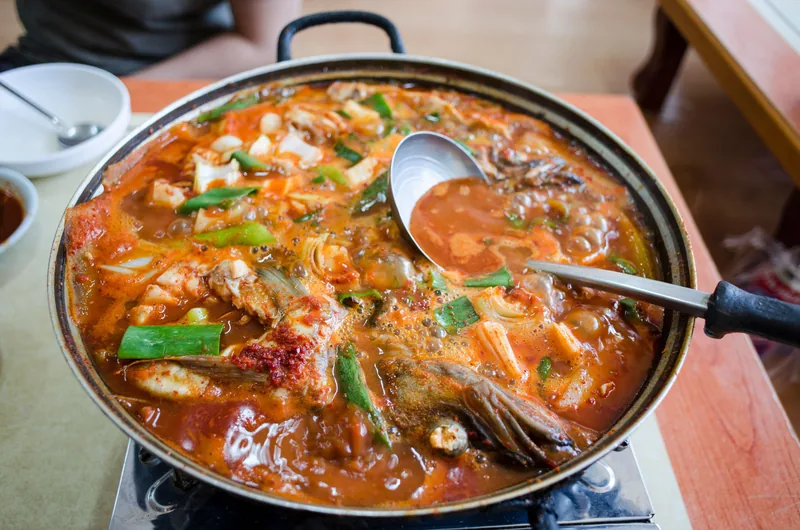
A fish stew is two dishes cooked one after the other. The first is a broth, which wants time — onion and fennel softened slowly, garlic, tomatoes cooked down until they stop tasting of the can. The second is the fish, which wants almost none. Treating them as one thing, and letting the fish simmer along with everything else, is the whole reason most homemade fish stews arrive at the table as cloudy broth full of shreds.
Cod at 145°F (63°C) is done. It gets there in about five minutes in liquid that is barely moving, and every minute past that squeezes water and albumin out of the muscle. That white foam on the surface of an overcooked stew is protein that used to be inside the fish. Once it has left, the flakes are dry and the broth has gone chalky, and nothing added later brings either back.
So the pot never boils after the fish goes in. Not a rolling simmer, not a vigorous one. You want the surface trembling, with a bubble breaking every second or two — hot enough to cook, still enough to leave the pieces whole. In practice this means dropping the heat to low before the fish goes anywhere near the pot, then covering it and leaving it alone. Agitation is what tears flakes apart, so even the stirring stops.
Cut generously. Two-inch chunks survive a stew; half-inch pieces disintegrate into it no matter how carefully you cook. Thick loin cut from the head end of a cod fillet is worth asking for, since the thin tail end cooks through long before the rest and turns to threads while it waits.
Build the base properly and the rest is easy. Fennel and onion need a genuine ten minutes in olive oil over medium-low heat, until they are translucent and sweet — rushed, they stay raw and fibrous and there is no later stage that will soften them. Tomato paste goes in next and gets its own minute in the hot pan, which darkens it and takes off the raw edge. Then wine, reduced by half, because the alcohol carries flavors the water in the broth cannot.
Salt the base, not the finished pot. Broth reduces and concentrates during those fifteen minutes of simmering; seasoning it to taste at the start means seasoning it wrong. Taste and correct once the base has reduced and before the fish goes in, because after that point stirring in salt means stirring the fish.
The finish is acid and fat, off the heat. A squeeze of lemon lifts the tomato and a slick of good olive oil rounds it out — both added at the end, where their flavors stay bright, rather than early where they cook away. Fresh parsley goes in at the same moment, for the same reason.
Serve it in wide shallow bowls with bread that can handle the broth, or with beet salad with feta and walnuts alongside. For the same fish treated the opposite way, hot and fast, there is air fryer salmon bites. And when you want a pot that rewards a long simmer instead of being ruined by one, turkey chili is the stew to make next.
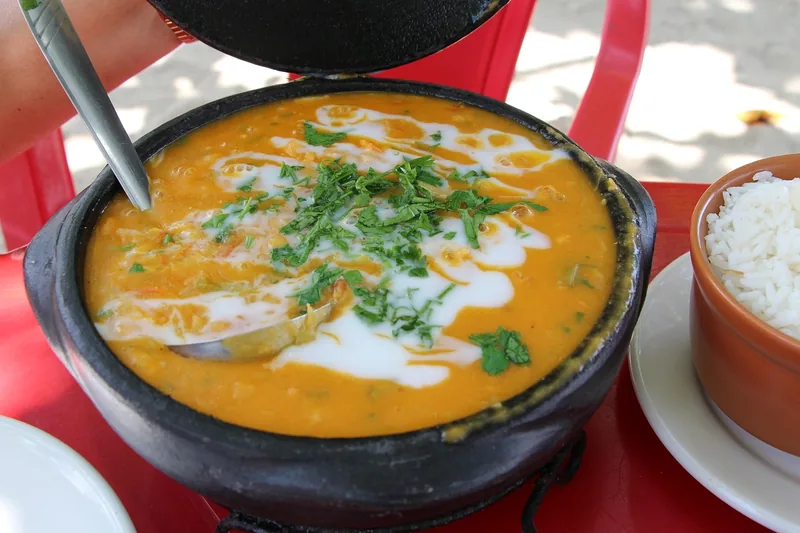
Fish stew, printed for the pot
White fish poached gently in a tomato, fennel and garlic broth, with the fish added last and the pot never allowed to boil.
For the broth and for the fish
For the broth
- 3 tbsp olive oil, plus more for finishing
- 1 large onion, diced
- 1 fennel bulb, cored and sliced thin
- 5 garlic cloves, sliced
- ½ tsp red pepper flakes
- 2 tbsp tomato paste
- ½ cup (120 ml) dry white wine
- 1 can (28 oz / 794 g) crushed tomatoes
- 2 cups (480 ml) fish stock or bottled clam juice
- 2 strips orange zest
- 1 bay leaf
- 1 tsp fine salt, plus more to taste
For the fish and finishing
- 1½ lb (680 g) skinless cod, halibut or haddock, cut into 2-inch chunks
- 2 tbsp lemon juice
- ½ cup chopped flat-leaf parsley
- Black pepper
- Crusty bread, to serve
Build the broth, then poach the fish
- 1 Warm the olive oil in a wide heavy pot over medium-low heat. Add the onion and fennel with a pinch of salt and cook 10 minutes, stirring now and then, until translucent and sweet. Rushing this leaves them fibrous and nothing later softens them.
- 2 Add the garlic and pepper flakes and cook 1 minute. Stir in the tomato paste and let it fry in the oil for a full minute, until it darkens from red to brick.
- 3 Pour in the wine and let it bubble until reduced by half, scraping the bottom of the pot as it goes.
- 4 Add the crushed tomatoes, stock, orange zest, bay leaf and salt. Simmer uncovered 15 minutes, until the broth tastes like one thing rather than several. Taste and season now — this is the last easy chance.
- 5 Turn the heat to low and wait until the surface is barely trembling, with a bubble breaking every second or two. Season the fish chunks with salt and pepper and lower them into the pot in a single layer.
- 6 Cover and poach 5–7 minutes without stirring. The fish is ready when a piece separates into large flakes under gentle pressure and reads 145°F (63°C) at its thickest point. It will keep cooking in the hot broth, so pull the pot at the first sign.
- 7 Off the heat, add the lemon juice, the parsley and a generous drizzle of olive oil. Fold once, gently, and serve in shallow bowls with bread.
Fish choices, shellfish and keeping it
- Any firm white fish works: cod, halibut, haddock, striped bass, monkfish. Avoid thin flatfish like sole, which falls apart at this size of chunk.
- Frozen fillets are fine if fully thawed and patted dry. Frozen-solid pieces drop the broth temperature and end up cooked unevenly.
- Add 8 oz (225 g) of shrimp or mussels with the fish. Shrimp take the same 5 minutes; mussels need the lid on until they open, about 4.
- The broth is better the next day, so make it a day ahead through step 4 and poach the fish fresh at dinner. Do not reheat a stew with fish already in it and expect the fish to survive.
- No wine: another ½ cup (120 ml) of stock plus 1 tablespoon of red wine vinegar added at the end.
- Leftovers keep 2 days refrigerated. Warm them gently over low heat, never at a simmer.
Poaching questions and broken flakes
Either the liquid was boiling or the pieces were stirred. Moving water knocks cooked flakes off each other, and a rolling boil does it within a minute. Keep the surface barely trembling, put the lid on, and do not touch it until the time is up.
Coagulated albumin squeezed out of overcooked fish. A little is normal; a lot means the pot was too hot or the fish stayed in too long. It is harmless, and you can skim it, but the flakes underneath will already be drier than they should be.
They work, though bottled clam juice gives a cleaner result and plain water is better than a harsh cube. Whatever you use, hold back some salt — most concentrates are salty and the broth reduces on top of that.
It is not decoration. Orange and fennel are the two flavors that make this read Mediterranean rather than as generic tomato soup with fish in it. Two strips is enough to notice and not enough to taste of orange.
Simmer the base longer before the fish goes in — 25 minutes instead of 15 concentrates it noticeably. Do not use cornstarch here; it dulls the broth and makes it cling to the fish instead of pooling around it.
Bread, sides and another fish idea
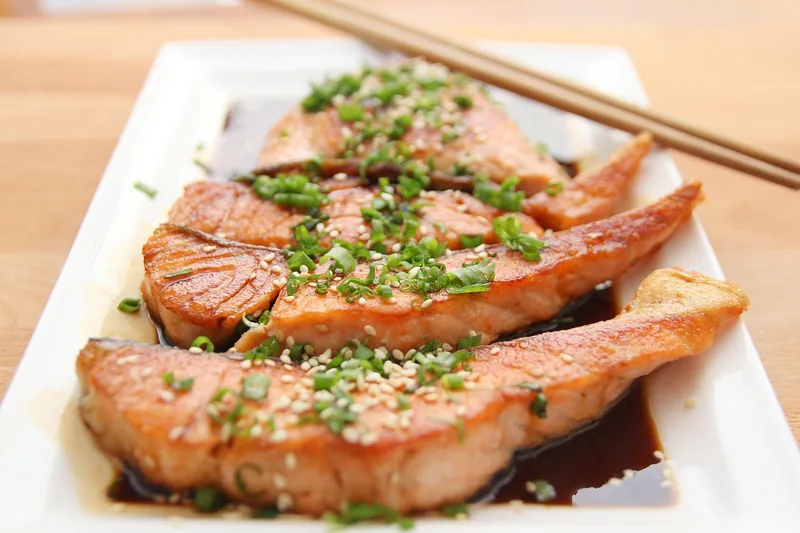
Air Fryer Salmon Bites with Garlic Cream Sauce
Eight minutes in the basket, caramelized outside and barely set within, with a lemon-garlic cream to dip.
- Total time
- 23 min
- Yield
- Serves 4
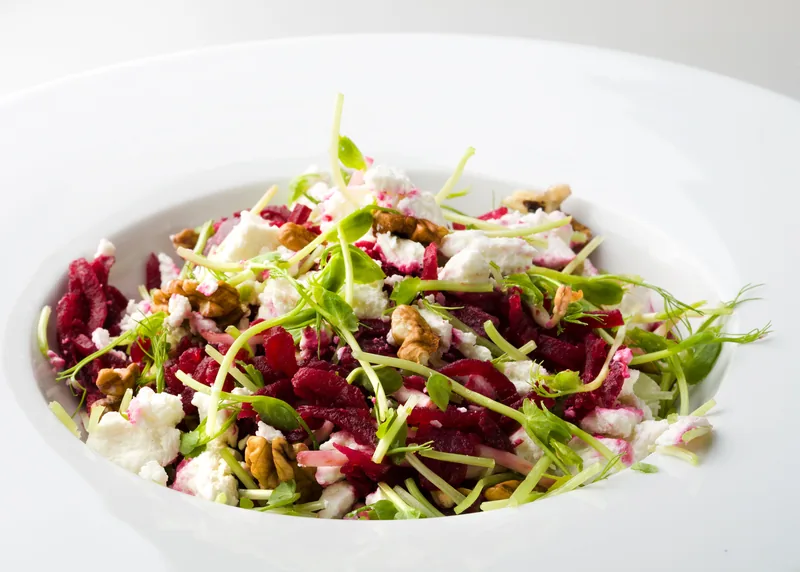
Roasted Beet Salad with Feta and Walnuts
Beets roasted in foil until they slip out of their skins, with salty feta and walnuts toasted to the edge of burning.
- Total time
- 1 hr 15 min
- Yield
- Serves 6
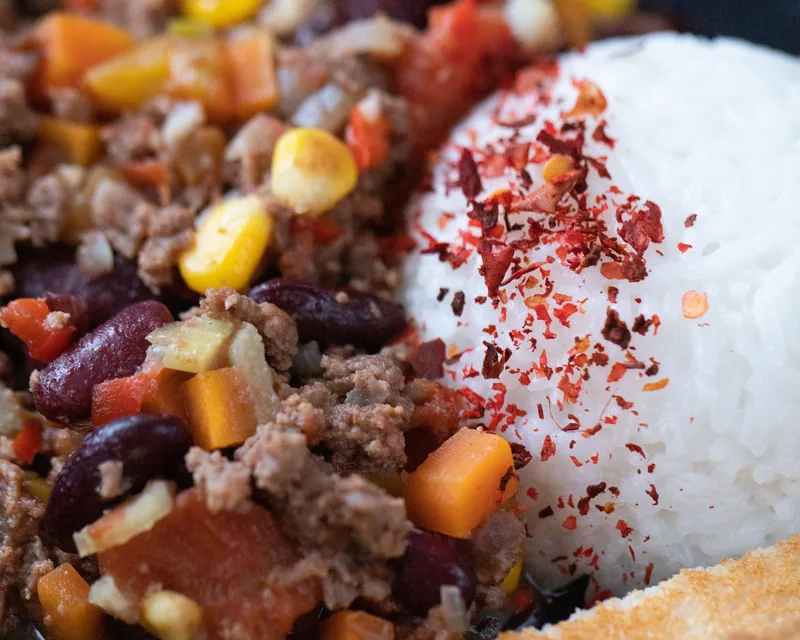
Easy Turkey Chili Recipe for Comfort Food Lovers
Ground turkey browned hard, spices bloomed in fat and a slow, lazy simmer — the three things that keep a lean chili from going dry.
- Total time
- 1 hr 20 min
- Yield
- Serves 6