Caramel Banana Bread Cookies
Soft, cakey banana cookies with pockets of molten caramel — a chilled dough built to stop banana from spreading it flat.
- Prep
- 20 min
- Cook
- 13 min
- Rest
- 1 hr
- Makes
- Makes 20 cookies
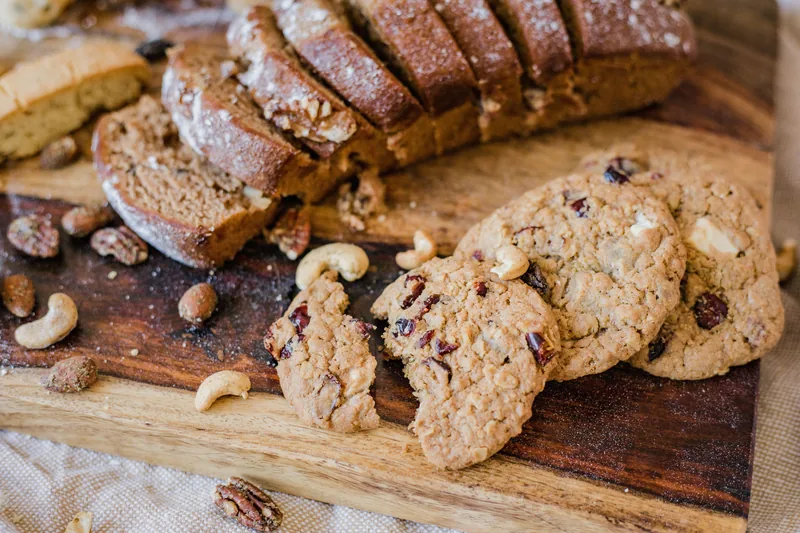
Mashed banana is about three-quarters water, and every problem with a banana cookie comes from that. Add half a cup of it to a normal cookie dough and you have not added flavor to a dough — you have added liquid to a batter. It slumps off the spoon, spreads into thin discs in the first four minutes of baking, and sets cakey, because water plus flour plus heat is how you make cake.
So the dough is rebalanced around the banana rather than having banana dropped into it. The whole egg becomes a single yolk, which keeps the richness and removes about two tablespoons of water. The flour goes up. And the banana is measured by weight, not by count, because a small banana and a large one differ by more than half again — a recipe that says "two ripe bananas" is a recipe that works for whoever wrote it and nobody else.
Then it gets chilled, and this is the step people skip. An hour in the refrigerator firms the butter so it takes longer to melt in the oven, which means the cookie's edges set before the middle has finished flowing outward. Straight from the bowl, this dough bakes into something closer to a banana pancake. Chilled, it holds a domed shape with a tender center.
Be honest about what you are getting: these are soft cookies, and they stay soft. They will never be chewy the way a brown-sugar chocolate chip cookie is chewy, because the banana will not let them. What they are is banana bread you can eat with one hand, which is a genuinely good thing to be.
The caramel is the other thing that needs managing. Soft caramels melt at a much lower temperature than the dough sets, so any piece sitting at the edge of a cookie will run out, hit the hot sheet and weld itself there in a black ring. Two habits fix it. Freeze the chopped caramels for fifteen minutes so they start further behind. And after portioning, push any exposed pieces down into the dough with a fingertip, leaving the surface clear. Parchment, not a bare or greased sheet — greased sheets let the caramel spread further before it sets.
The banana needs to be past the point where you would eat it. Heavily speckled is the minimum; solid brown skin with soft flesh is better. That is not only about sweetness — as a banana ripens its starch converts to sugar, so an underripe one contributes starch and water without the flavor that justifies either. A green-shouldered banana in this dough tastes like nothing.
Pull them at eleven to thirteen minutes, when the edges are set and lightly golden but the centers still look slightly underdone and wet. They carry over on the hot sheet. A banana cookie baked until the center looks done in the oven is a dry cookie on the plate, and there is no rescuing it. Leave them on the sheet five minutes before moving them — the caramel is still liquid, and lifting one early tears the bottom out.
If you want a firmer cookie on the same plate, oatmeal chocolate chip cookies go the other direction entirely, and air fryer peanut butter cookies are the answer when there is no ripe fruit in the house. And if you are building a whole fall table rather than only the sweet end of it, an apple salad earlier in the meal keeps caramel and banana from being the only fruit-and-sugar note on it.
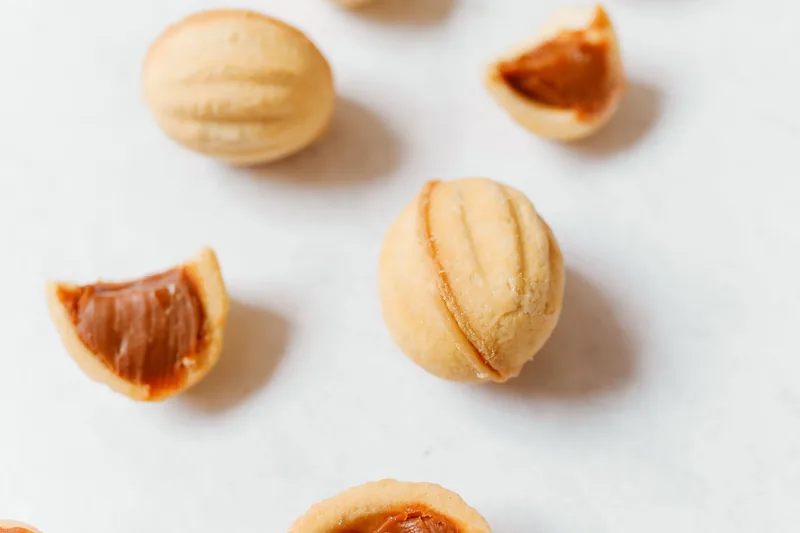
Banana caramel cookies, printed
Soft, cakey banana cookies with pockets of molten caramel — a chilled dough built to stop banana from spreading it flat.
The dough, and the caramel
For the dough
- ½ cup (115 g) unsalted butter, softened
- ¾ cup (165 g) packed light brown sugar
- ¼ cup (50 g) granulated sugar
- 1 large egg yolk
- 2 tsp vanilla extract
- ½ cup (120 g) mashed very ripe banana, about 1 large
- 1¾ cups (220 g) all-purpose flour
- 1 tsp baking soda
- 1 tsp ground cinnamon
- ½ tsp fine salt
For the caramel
- ¾ cup (130 g) soft caramels, chopped into ¼ in (6 mm) pieces
- Flaky salt, for finishing
Mixing wet, chilling, and baking short
- 1 Chop the caramels and spread them on a plate in the freezer while you mix — firm pieces run less in the oven.
- 2 Beat the butter with both sugars for 2 minutes, until pale and fluffy. Beat in the yolk and vanilla, then the mashed banana. The mixture will look curdled and slack; that is the water in the banana and it comes back together with the flour.
- 3 Whisk the flour, baking soda, cinnamon and salt together and fold them in until barely combined. Stir in the frozen caramel pieces.
- 4 Cover and refrigerate at least 1 hour. The dough should go from sticky and spreadable to scoopable — if it still slumps off the spoon, give it another 30 minutes.
- 5 Heat the oven to 350°F (180°C) and line two sheets with parchment. Scoop 2-tablespoon mounds, 3 in (7.5 cm) apart, and press any caramel showing at the surface down into the dough.
- 6 Bake 11–13 minutes, until the edges are set and golden and the centers still look wet and underdone. Sprinkle with flaky salt as they come out.
- 7 Cool on the sheet a full 5 minutes before moving them. The caramel is still liquid and an early lift pulls the bottom off.
Caramel swaps, freezing dough, keeping them soft
- Caramel swaps: chopped soft caramel candies, caramel baking chips, or a jarred dulce de leche frozen in teaspoon blobs. Thin caramel sauce does not work — it thins the dough.
- Freeze the scooped mounds on a tray, then bag them. Bake from frozen at the same temperature, adding 2 minutes.
- Storage: 3 days in an airtight container, and they soften further each day. A slice of bread in the container keeps them from drying if you go longer.
- Overripe bananas freeze well in their skins. Thaw and drain the liquid that collects before mashing, or you are adding back the water this recipe removes.
- For a nuttier cookie, fold in ½ cup (60 g) toasted chopped pecans. Do not add chocolate chips as well — with caramel already in there the cookie turns sugary and one-note.
Spreading, texture and burnt caramel
The dough was warm, or there was more banana in it than the recipe calls for. Both mean the butter melts before the structure sets. Weigh the banana and chill the dough — half a cup is the ceiling for this amount of flour.
Not really, not with banana in them. Water plus flour plus heat makes a cake crumb, and the banana is the water. You could cut the banana to a quarter cup and gain some chew, but at that point the flavor is barely there.
Exposed caramel at the edge of a cookie runs onto the sheet at a much lower temperature than the dough sets. Push visible pieces into the dough before baking, and use parchment so what escapes lifts off instead of welding.
It will work mechanically and taste thin. Ripening converts starch to sugar, so an underripe banana gives you the moisture problem without the flavor that pays for it. If that is what you have, add an extra teaspoon of vanilla.
A wooden spoon is fine as long as the butter is genuinely soft. The creaming stage is about working air into the butter, and cold butter will not take it however hard you beat.
Other cookies worth baking
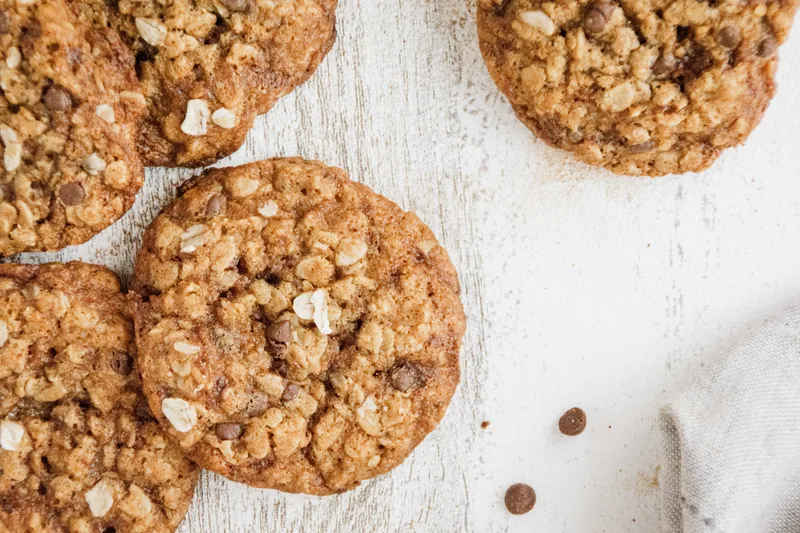
Oatmeal Chocolate Chip Cookies
Chewy in the middle, crisp at the rim, with oats you can still see. The dough rests overnight and it matters.
- Total time
- 12 hr 32 min
- Yield
- Makes 24 cookies
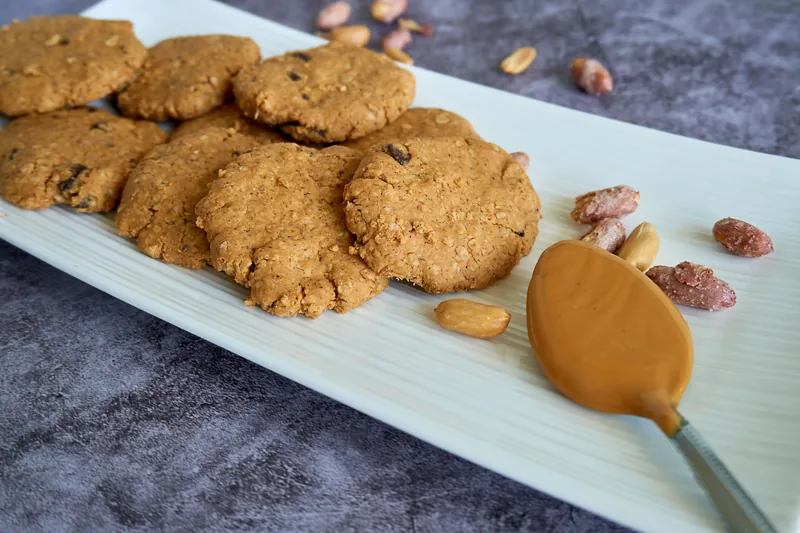
Air Fryer Peanut Butter Cookies
Three ingredients, eight minutes, six cookies at a time. No flour and no oven to heat.
- Total time
- 18 min
- Yield
- Makes 18 cookies
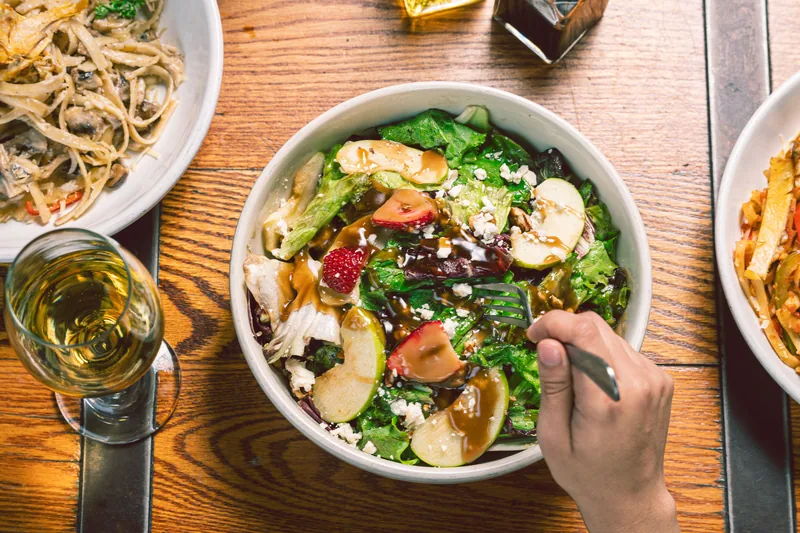
Autumn Apple Pasta Salad
Crisp diced apple, toasted pecans and cold pasta in a tangy Greek yogurt dressing that keeps the fruit pale and the noodles seasoned all the way through.
- Total time
- 1 hr
- Yield
- Serves 6 as a side