Stuffed Gulab Jamun with Cream and Pistachios
Milk-powder gulab jamun fried low and slow, soaked in cardamom rose syrup, chilled, then split and filled with whipped mascarpone cream and rolled in chopped pistachios.
- Prep
- 35 min
- Cook
- 30 min
- Rest
- 3 hr
- Makes
- Makes 16 (serves 8)

A gulab jamun is a small sponge that has to be fried before it can be soaked. The dough is mostly milk solids with very little flour, so it has almost no gluten to hold it together. What holds it is heat setting the milk proteins from the outside in. Everything that goes wrong with gulab jamun comes from that heat arriving too fast or too unevenly.
Fry them hot and the outside browns in a minute while the middle is still raw dough. They look perfect in the pan, then sink into the syrup as dense, gummy balls with a pale core, because syrup can only soak into dough that has already set into a network of tiny air pockets. Fry them low, between 280°F (140°C) and 300°F (150°C), and the heat creeps all the way to the center before the crust darkens. They swell to almost double, turn the color of an old penny over seven or eight minutes, and come out light enough to drink up syrup like a sponge.
The dough asks for a light hand. Mix it only until it comes together and stays soft and slightly sticky, then rest it covered for ten minutes so the milk powder hydrates. Kneading it like bread builds what little gluten there is, and that gives you jamuns that are tight and rubbery. Roll each ball between your palms until the surface has no cracks at all. A crack is where hot fat gets in, and a ball with a seam splits open in the pan.
The syrup should be warm, not boiling, when the jamuns go in, and the jamuns should be warm too. Warm syrup is thin enough to travel through them. Hot syrup cooks the surface and seals it. Cold syrup is too thick to get far. Give them at least two hours. Overnight is better, and they keep getting softer.
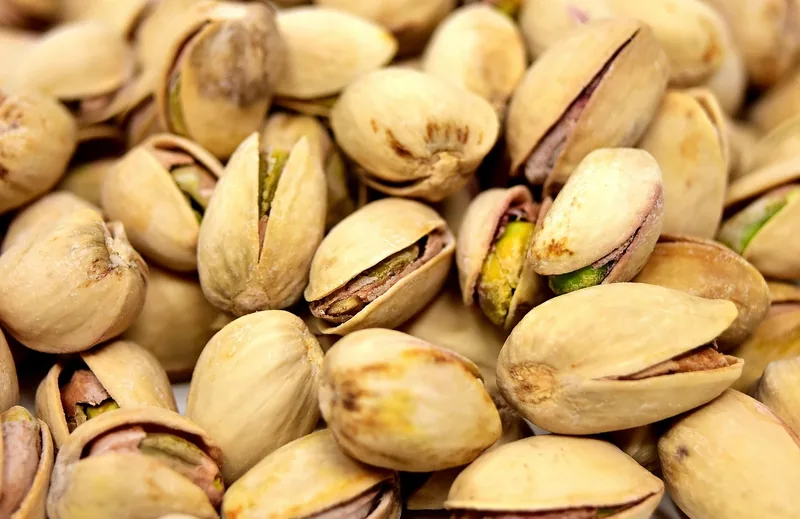
To stuff them, they have to be cold. A warm, syrup-soaked jamun is too soft to cut, and any cream you put in it melts within minutes. Chill them in their syrup, drain them on a rack, then cut each one about two thirds of the way through, like a hot dog bun. Plain whipped cream weeps against the syrup. Whipping it with a spoonful of mascarpone keeps the filling firm for hours, the way a tres leches cake needs its topping to stand up to a soaked crumb underneath. Pipe the cream in generously, then press the exposed edge into chopped pistachios so every bite has some.
They are rich, so serve them small and cold, after something light. A bowl of clear tofu and mushroom soup earlier in the meal leaves room for two. If you would rather have a plainer milk dessert, old-fashioned rice pudding takes the same cardamom well.
Stuffed gulab jamun at a glance
- Total time
- 4 hr 5 min
- Yield
- Makes 16 (serves 8)
Syrup, dough, cream filling and pistachios
Syrup
- 1½ cups (300 g) granulated sugar
- 1½ cups (360 ml) water
- 5 green cardamom pods, lightly crushed
- Large pinch of saffron threads (optional)
- 1 tsp fresh lemon juice
- 1 tsp rose water
Gulab jamun
- 1 cup (100 g) whole milk powder
- ¼ cup (30 g) all-purpose flour
- ¼ tsp baking soda
- 1 tbsp (14 g) ghee, melted, plus more for your hands
- 5–6 tbsp (75–90 ml) whole milk, warm
- 3 cups (720 ml) ghee or neutral oil, for frying
Cream filling and coating
- ¾ cup (180 ml) cold heavy cream
- ¼ cup (60 g) cold mascarpone
- 2 tbsp powdered sugar
- ¼ tsp ground cardamom
- ⅓ cup (40 g) shelled unsalted pistachios, finely chopped
- Dried rose petals, to finish (optional)
Fry low, soak warm, fill cold
- 1 Make the syrup: bring the sugar, water, cardamom and saffron to a boil in a wide saucepan, stirring until the sugar dissolves, then simmer 5 minutes. It should feel slightly sticky between two fingers but not form a thread. Stir in the lemon juice and rose water and keep it warm on the lowest heat.
- 2 Whisk the milk powder, flour and baking soda in a bowl. Rub in the melted ghee with your fingertips, then add the warm milk a tablespoon at a time, mixing gently, until the dough just comes together. It should be soft and a little sticky. Cover and rest 10 minutes.
- 3 With lightly greased hands, divide the dough into 16 pieces and roll each into a smooth ball about 1 inch (2.5 cm) across. Roll until there are no cracks or seams on the surface. Keep the balls covered as you go.
- 4 Heat the ghee or oil in a heavy pan to 290°F (145°C). It should be deep enough to float the balls. Fry 5 or 6 at a time, nudging them constantly with a spoon rather than turning them with tongs, for 7–8 minutes, until they swell and turn an even deep golden brown. If they brown in under 3 minutes, the fat is too hot.
- 5 Lift the jamuns out with a slotted spoon, let them sit 1 minute, then drop them into the warm syrup. Repeat with the rest. Leave them to soak at least 2 hours at room temperature, then cover and refrigerate at least 1 hour, or overnight.
- 6 Make the filling: whip the cream, mascarpone, powdered sugar and ground cardamom to firm peaks. Spoon it into a piping bag with a star tip and refrigerate until needed.
- 7 Lift the cold jamuns from the syrup and drain them on a rack for 10 minutes. With a small sharp knife, cut each one about two thirds of the way through from the top, leaving the base attached.
- 8 Open each jamun gently, pipe in a generous ribbon of cream, then dip the cream side into the chopped pistachios. Scatter with rose petals if you like and serve cold within 4 hours.
Mixes, other fillings and keeping them
- Instant gulab jamun mix works for the jamuns themselves. Follow the packet for the dough, then fry low and soak warm exactly as above. The filling and the stuffing method are the same.
- For a traditional filling, use thick rabri or malai in place of the whipped cream. It is softer, so fill the jamuns just before serving.
- Plain whipped cream without mascarpone holds for about an hour against the syrup before it starts to slump. With mascarpone it holds 4 hours or more in the refrigerator.
- Soaked, unfilled jamuns keep 4 days in their syrup in the refrigerator. Fill only what you will serve that day.
- Leftover syrup is good stirred into chai or poured over vanilla ice cream. It keeps 2 weeks refrigerated.
- For a warm, unfilled version, serve the jamuns straight from the syrup after the 2-hour soak, warmed for a few seconds in the microwave.
Cracks, hard centers and which cream to use
Heavy cream whipped with a little mascarpone. The mascarpone gives the filling enough body to stay firm against the syrup, while cream alone starts to weep within an hour. Rabri or malai is the traditional choice, but it is soft and needs to go in right before serving.
Usually the dough was too dry or the balls had seams. Add milk until the dough is soft and slightly tacky, and roll each ball until the surface is completely smooth. Fat that is too hot also makes them split, because the outside sets before the inside finishes expanding.
The fat was too hot, so they browned before the center cooked, or the dough was overworked. Fry at about 290°F (145°C) for a full 7–8 minutes, and mix the dough only until it comes together.
Chill them first. Cold, drained jamuns are firm enough to cut cleanly. Cut from the top about two thirds of the way down rather than all the way through, so the base holds the two sides together around the cream.
Make and soak the jamuns up to 4 days ahead and keep them in the syrup in the refrigerator. Whip the filling up to a day ahead. Drain, cut and fill them within 4 hours of serving.
After a light dinner
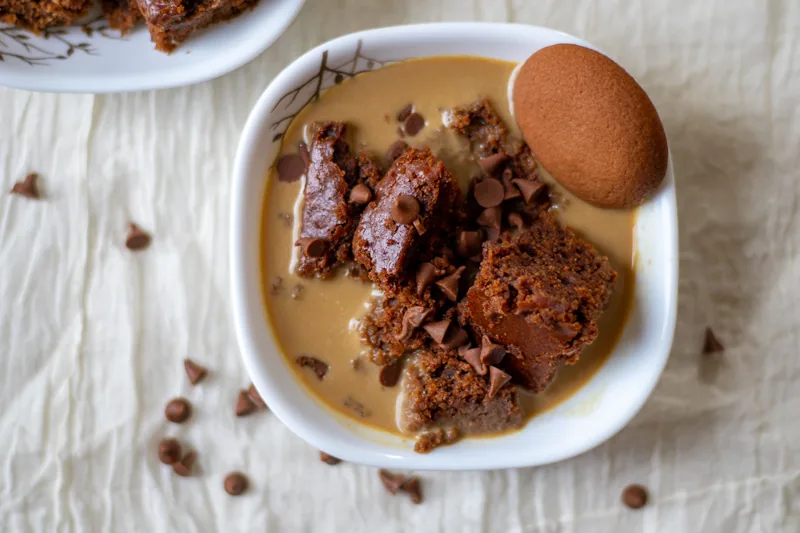
Chocolate Tres Leches Cake
A light chocolate sponge soaked overnight in chocolate-laced evaporated milk, condensed milk and cream, topped with cocoa whipped cream. Rich, cold and soft without ever being soggy.
- Total time
- 9 hr
- Yield
- One 9×13 in (23×33 cm) cake, 15 squares
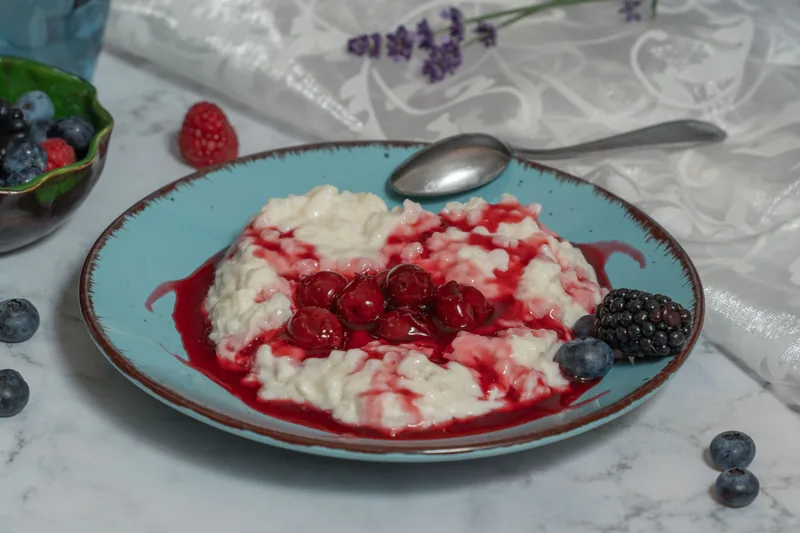
Old-Fashioned Rice Pudding
Stovetop, stirred, and finished with egg yolks off the heat. Loose when it comes off, set by the time it reaches the table.
- Total time
- 50 min
- Yield
- Serves 6
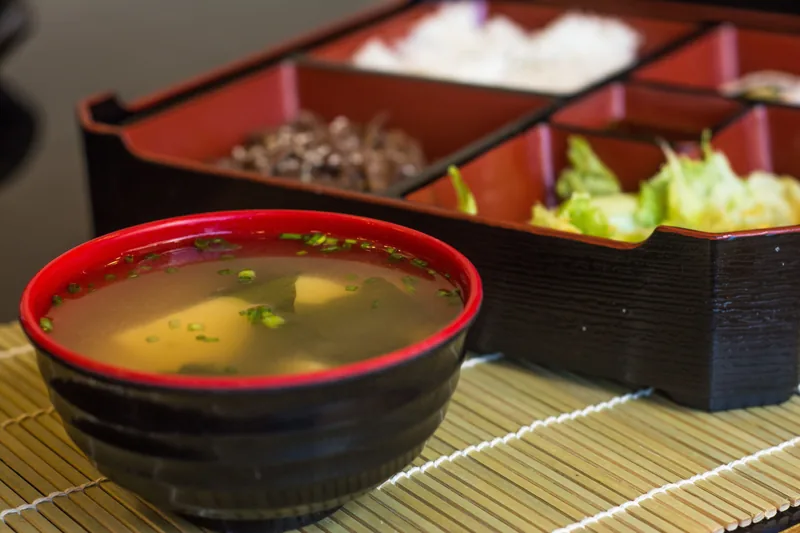
Japanese Clear Soup with Tofu and Mushrooms
A clear kombu and shiitake broth seasoned with light soy and sake, with soft tofu, enoki and fresh shiitake, finished with ginger juice. Vegan, light and ready in 30 minutes.
- Total time
- 1 hr
- Yield
- Serves 4