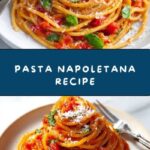
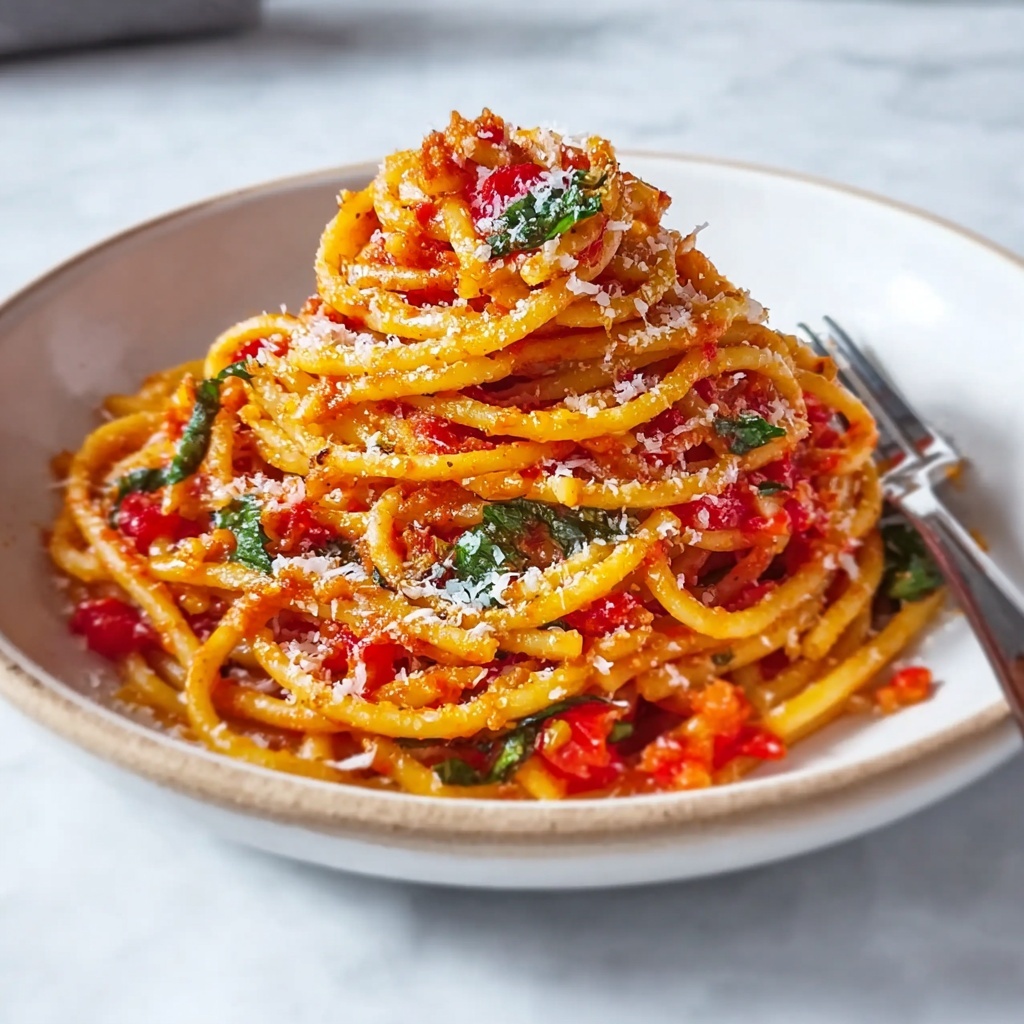
There is something irresistibly comforting about the simplicity and vibrant flavors of the Pasta Napoletana Recipe. This classic Italian dish brings together a handful of basic ingredients—tomatoes, garlic, olive oil, and fresh basil—to create a sauce that’s incredibly fresh, bright, and heartwarming. Perfect for a quick weeknight meal or a casual gathering, this dish turns humble pantry staples into an unforgettable plate of pasta that tastes like it’s been simmering for hours.
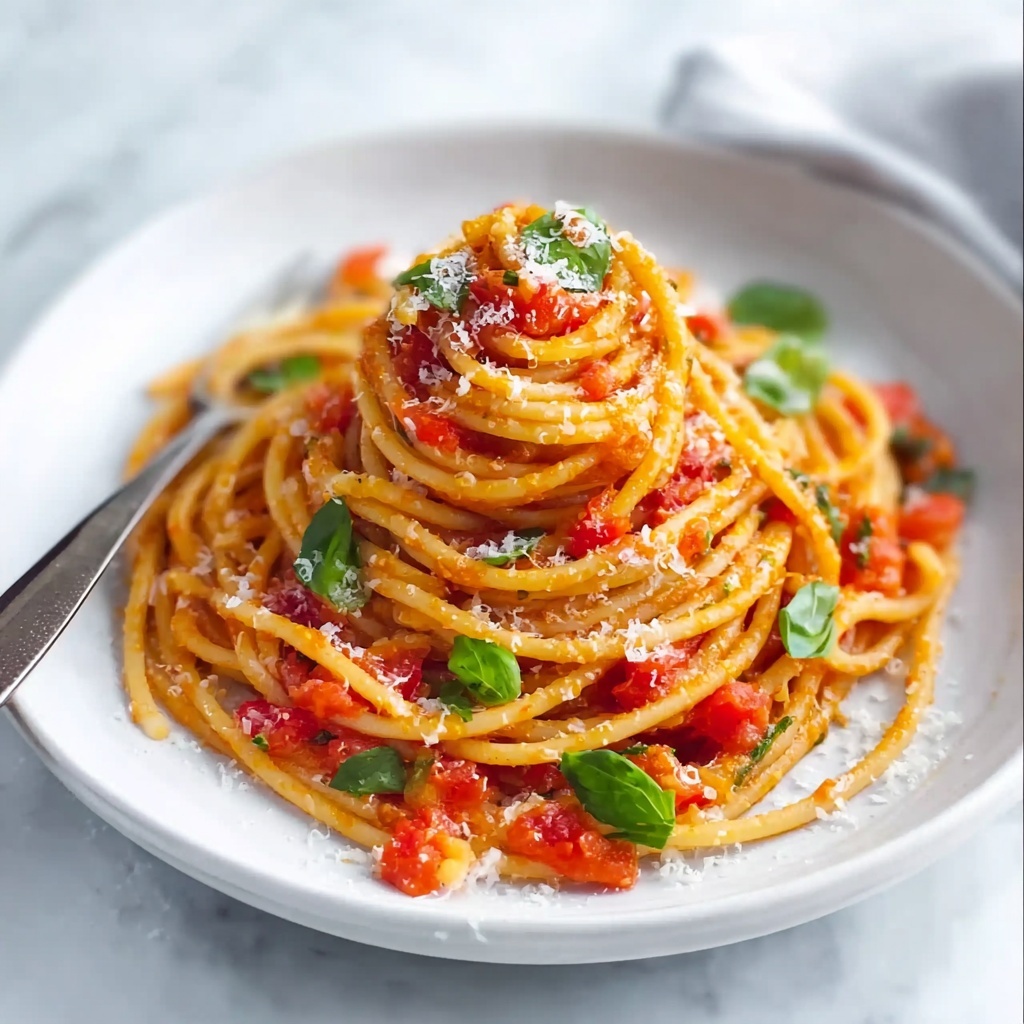
Ingredients You’ll Need
The magic of this Pasta Napoletana Recipe lies in its simplicity. Each ingredient plays a crucial role, whether it’s providing the rich base, the earthy aroma, or that burst of fresh flavor that makes the sauce sing. Here’s what you’ll gather for this recipe:
- 8oz (220 grams) spaghetti or bucatini: Choose your favorite pasta shape; both long strands and shorter varieties work wonderfully here.
- 1 Tbsp olive oil or extra virgin olive oil: This adds a fruity richness and helps soften the onions perfectly.
- 1 medium-sized onion, finely chopped: Adds sweetness and body to your sauce when slowly cooked.
- 2-3 garlic cloves, minced: Brings that essential punch of garlicky flavor that defines the sauce.
- 1 can (14oz/400 grams) tomatoes: Use whole, diced, or cherry tomatoes to keep the sauce fresh and vibrant.
- ½ tsp fine salt: Enhances all the natural flavors; adjust to taste as you go.
- ⅛ tsp black pepper: Adds a gentle heat to balance the sweetness of the tomatoes and onions.
- 1 handful of basil leaves, chopped or torn: Fresh basil crowns the sauce with its wonderful herbal brightness.
- 3 Tbsp grated parmesan, to serve: A sprinkle of savory, nutty cheese creates the perfect finishing touch.
How to Make Pasta Napoletana Recipe
Step 1: Start Cooking the Pasta and Preparing the Sauce
Begin by bringing a large pot of salted water to a roaring boil. The salt is essential because it seasons the pasta from within as it cooks. About five minutes after you start heating the water, begin your sauce—this timing ensures both will finish around the same moment, perfectly al dente and ready to toss.
Step 2: Sauté the Onion
Warm your olive oil in a large pan over medium heat. Once it shimmers gently, add the finely chopped onion. Cook patiently, stirring occasionally; let the onion soften and become translucent. This slow cooking, about 5-6 minutes, brings out its natural sweetness and creates a luscious base for your sauce.
Step 3: Add Garlic and Tomatoes
Next, stir in the minced garlic and cook just until fragrant—don’t let it brown, or it will turn bitter. Immediately pour in the canned tomatoes (whether whole, diced, or cherry works beautifully) along with their juices. Use a spoon to gently break down whole tomatoes. Let the sauce simmer at a gentle bubble, melding all those fresh flavors together for about 10 minutes.
Step 4: Season and Add Basil
Season your sauce with salt and pepper, adjusting to taste for that perfect balance. Just before finishing, toss in your chopped or torn basil leaves. Their bright, sweet aroma will elevate the sauce to something truly special.
Step 5: Combine Pasta and Sauce
Drain the pasta when it’s just shy of al dente—remember, it will cook a little more when mixed with the sauce. Transfer it to the pan with your sauce and toss everything together over low heat. Let the pasta soak up those luscious tomato flavors for a couple of minutes, stirring gently so each strand is glistening with sauce.
How to Serve Pasta Napoletana Recipe
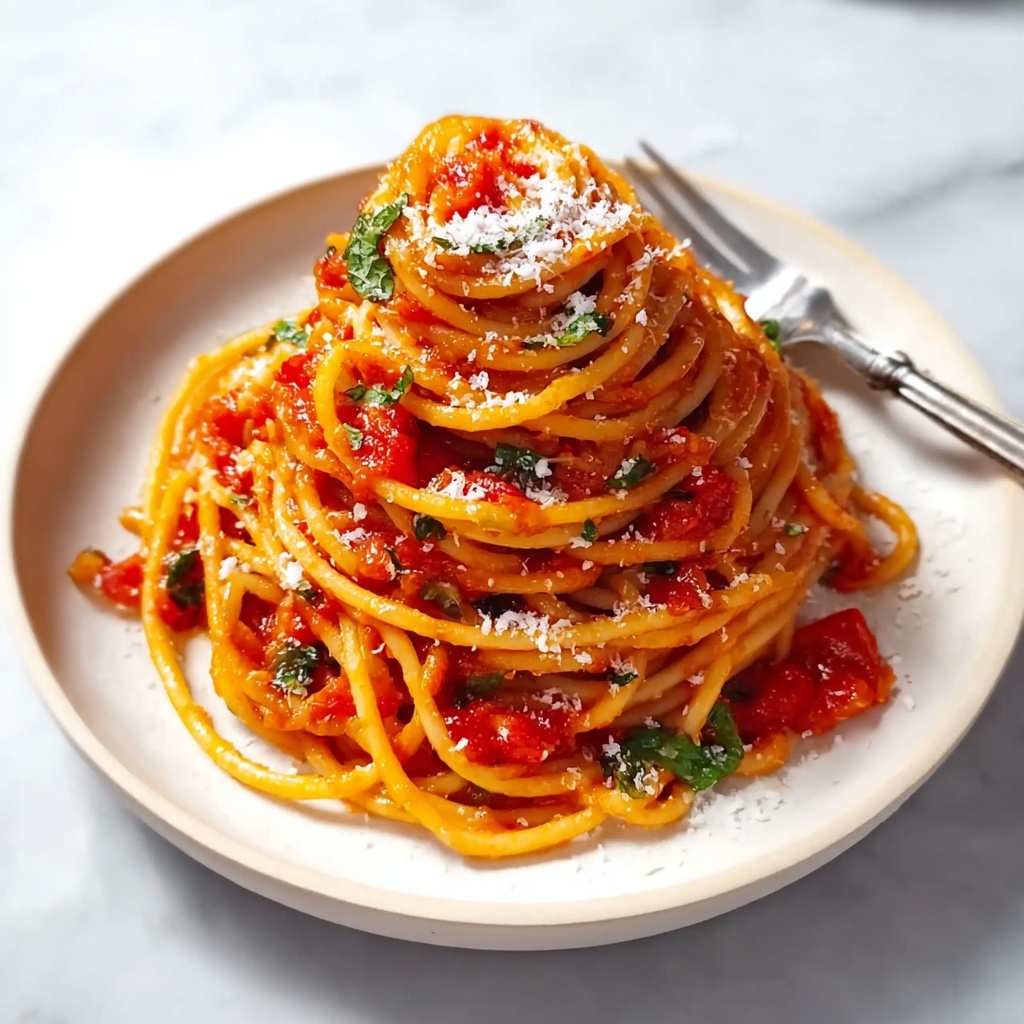
Garnishes
Nothing finishes this dish quite like a generous sprinkle of freshly grated parmesan. It melts perfectly into the sauce, adding a hint of saltiness and umami. For an extra touch, drizzle a little high-quality extra virgin olive oil on top—it adds silkiness and a gorgeous aroma that will make every bite sing.
Side Dishes
Pasta Napoletana is delicious on its own, but if you want to round out your meal, serve it alongside a simple green salad tossed with a light vinaigrette to add crispness and brightness. Crunchy garlic bread or a warm focaccia also make wonderful companions, perfect for soaking up the last bits of the sauce.
Creative Ways to Present
To make your Pasta Napoletana feel extra special, try serving it family-style, letting everyone twirl their own pasta right from the pan. Garnish individual plates with whole fresh basil leaves or a shaving of parmesan. Another fun twist is to roast cherry tomatoes before adding them to your sauce for a deep sweetness that contrasts beautifully with fresh basil.
Make Ahead and Storage
Storing Leftovers
If you happen to have leftovers (and you might, although this dish is very tempting), store them in an airtight container in the refrigerator for up to 3 days. The flavors will mellow and deepen, making your next meal just as tasty.
Freezing
This Pasta Napoletana Recipe freezes well. Place cooled pasta and sauce together in a freezer-safe container, leaving a little room for expansion. It can last up to 2 months in the freezer. When ready, thaw overnight in the fridge for the best texture.
Reheating
Reheat gently on the stove over low heat, adding a splash of water or olive oil to revive the sauce’s sauciness. Avoid microwaving at high power, which can dry out the pasta. Stirring frequently helps warm everything evenly.
FAQs
Can I use other types of pasta for this recipe?
Absolutely! While spaghetti and bucatini are traditional and work beautifully, feel free to use penne, rigatoni, or any pasta shape you have on hand. The sauce is versatile and clings well to all sorts of noodles.
Is fresh basil essential in the Pasta Napoletana Recipe?
Fresh basil is what gives the sauce its signature aromatic lift, but if you don’t have any, you can substitute with a pinch of dried basil or even fresh parsley. Just add it closer to the end of cooking to preserve as much flavor as possible.
Can I use fresh tomatoes instead of canned?
Yes! If you have ripe, juicy tomatoes, blanch and peel them before chopping and adding to the sauce. Fresh tomatoes bring a bright, summery note, but canned tomatoes offer consistency and richness year-round.
How can I make the sauce spicier?
To add some heat, toss in a pinch of red pepper flakes when you sauté the onion. Adjust the amount based on your tolerance for spice. The combination of garlic, basil, and a little kick is fantastic!
What type of olive oil is best for this recipe?
Use extra virgin olive oil if you can—it has a fresh, fruity flavor that complements the sauce beautifully. But don’t worry if you only have regular olive oil; either will work, just adjust quantities slightly for taste.
Final Thoughts
There is truly nothing like a heartfelt home-cooked meal with ingredients you love and flavors that feel alive. This Pasta Napoletana Recipe captures that spirit perfectly with its effortless preparation and fresh taste. I hope you enjoy making and sharing it as much as I do. Once you try it, you’ll see why this simple dish has a special place in Italian kitchens everywhere!
Print
Pasta Napoletana Recipe
- Prep Time: 5 minutes
- Cook Time: 15 minutes
- Total Time: 20 minutes
- Yield: 4 servings
- Category: Main Course
- Method: Stovetop
- Cuisine: Italian
Description
This classic Pasta Napoletana recipe features al dente spaghetti tossed in a simple, flavorful tomato sauce made with garlic, onions, fresh basil, and finished with grated Parmesan. A quick and authentic Italian dish perfect for a comforting weeknight meal.
Ingredients
Pasta
- 8oz (220 grams) spaghetti or bucatini (short pasta is fine too)
Sauce
- 1 Tbsp olive oil or extra virgin olive oil, plus more for drizzling
- 1 medium-sized onion, finely chopped
- 2–3 garlic cloves, minced
- 1 can (14oz/400 grams) tomatoes (whole, diced or cherry tomatoes)
- ½ tsp fine salt, plus more to taste
- ⅛ tsp black pepper
- 1 handful of basil leaves, chopped or torn
To Serve
- 3 Tbsp grated parmesan
Instructions
- Boil Pasta: Bring a large pot of salted water to a boil, adding a good amount of salt to season the pasta water. Start cooking the pasta about 5 minutes after beginning the sauce preparation so that both finish around the same time.
- Sauté Onions: Heat the olive oil in a large pan over medium heat until shimmering. Add the finely chopped onion and cook for 5-6 minutes until the onion becomes soft and translucent, stirring occasionally to prevent burning.
- Add Garlic: Stir in the minced garlic and cook for about 1 minute until fragrant, ensuring it doesn’t brown to keep the sauce fresh and flavorful.
- Cook Tomatoes: Add the canned tomatoes (whole, diced, or cherry) to the pan with the onions and garlic. Use a spoon to break down whole tomatoes if needed. Season with ½ tsp fine salt and ⅛ tsp black pepper. Simmer the sauce gently over medium-low heat for about 8-10 minutes until it thickens slightly and the flavors meld.
- Drain Pasta: Once the pasta is al dente, reserve a small cup of pasta cooking water, then drain the pasta.
- Toss Pasta with Sauce: Add the drained pasta directly to the sauce pan. Toss together over low heat, adding a little pasta water if needed to loosen the sauce and help it cling to the noodles.
- Add Basil: Stir in the chopped or torn basil leaves just before serving for a fresh, fragrant finish.
- Serve: Plate the pasta and drizzle with extra virgin olive oil if desired. Sprinkle generously with grated Parmesan cheese and serve immediately while hot.
Notes
- Use good quality canned tomatoes for the best flavor.
- You can substitute bucatini or short pasta shapes like penne if preferred.
- Reserve some pasta cooking water; it helps to adjust the sauce consistency perfectly.
- Fresh basil is key to this dish, but if unavailable, dried basil can be used as a last resort.
- Parmesan is traditional, but pecorino cheese can also be an excellent alternative.