Oven-Baked Tilapia with Fried Plantains
Tilapia fillets rubbed with garlic, paprika, allspice and lime, baked hot and browned under the broiler, with caramelized fried sweet plantains and a quick lime and red onion relish.
- Prep
- 15 min
- Cook
- 20 min
- Rest
- 10 min
- Makes
- Serves 4
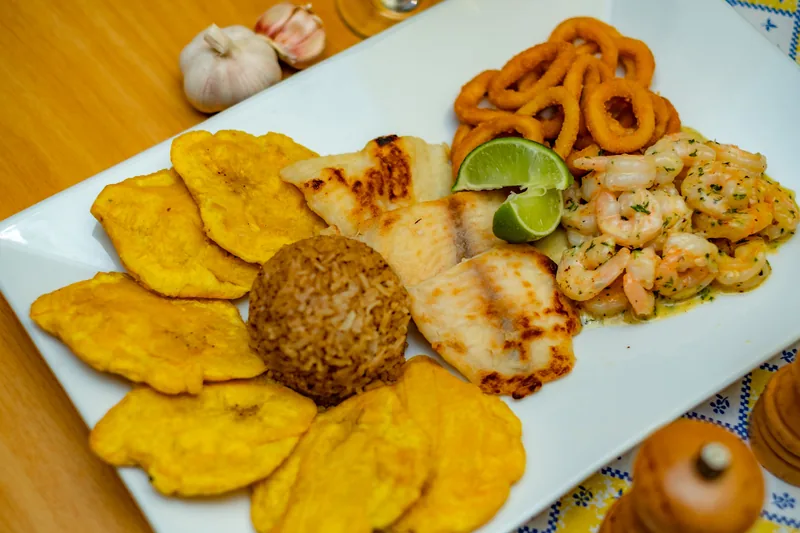
Tilapia is thin, lean and mild, and all three facts point the same way: cook it hot and briefly. A fillet is rarely more than half an inch thick, so it goes from just opaque to dry in a couple of minutes. There is very little fat to forgive overcooking, and a mild fish takes on whatever seasoning you give it. That last part is the good news. The rub does most of the work here.
Pat the fillets very dry before seasoning them. Tilapia, especially if it was frozen, holds a lot of surface water, and in a hot oven that water steams the outside instead of letting it brown. Then rub them with garlic, smoked paprika, a little allspice, thyme, lime zest and oil. The oil carries the spices and helps them toast instead of tasting raw and dusty.
The oven does two jobs. Bake the fish at 425°F (220°C) on an oiled sheet for about eight minutes, until it is almost cooked through, then switch to the broiler for the last minute or two to brown the top. That finish is what the old name, oven-grilled, means: the color you would get from a grill, without turning the fish on grates it would stick to and tear on. The fish is done when it flakes at the thickest point and reads 145°F (63°C) inside.
The plantains need to be ripe, and riper than looks right. A sweet plantain for frying should be mostly black, soft enough to give when pressed, and smell faintly of banana. At that stage much of its starch has turned to sugar, so the slices caramelize at the edges and go creamy inside. A green or yellow plantain is all starch and fries up dry and firm, which is right for tostones but not here. Slice them on a sharp diagonal so each piece has more surface to brown, and fry them over medium heat, not high. The sugar burns before the middle softens if the pan is too hot.
Fry the plantains while the fish bakes, and everything is ready at once. A quick relish of lime juice, red onion, cilantro and a pinch of salt cuts the sweetness of the plantains and wakes up the fish.
Serve it with Mexican rice or plain white rice. For something sweet afterward, stuffed gulab jamun is rich enough that one each is plenty.
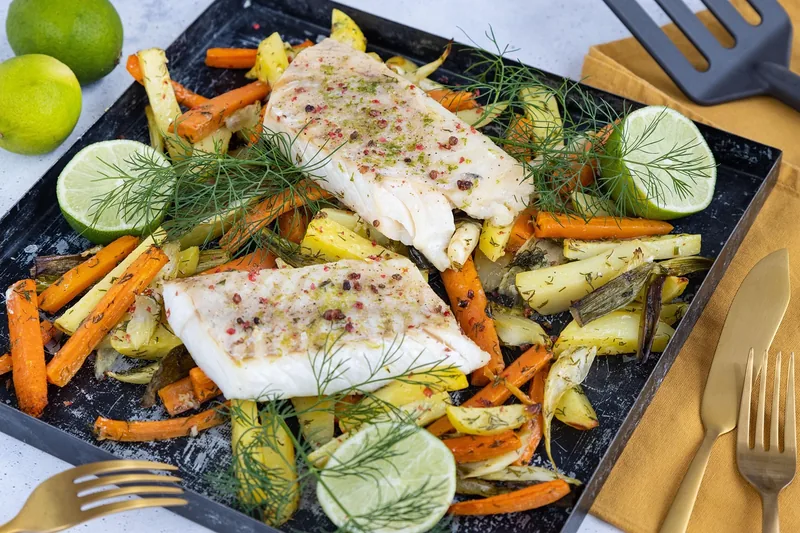
Tilapia and plantains at a glance
- Total time
- 45 min
- Yield
- Serves 4
Fish rub, ripe plantains and lime relish
Tilapia
- 4 tilapia fillets (about 1½ lb / 680 g total), thawed if frozen
- 2 tbsp olive oil, plus more for the pan
- 3 garlic cloves, finely grated
- 1½ tsp smoked paprika
- ½ tsp ground allspice
- ½ tsp dried thyme
- 1 tsp kosher salt
- ¼ tsp black pepper
- Finely grated zest of 1 lime
Fried plantains
- 2 large very ripe plantains, skins mostly black
- 3 tbsp neutral oil
- Flaky salt, to finish
Lime and red onion relish
- ½ small red onion, finely diced
- Juice of 2 limes
- ¼ cup (10 g) cilantro, chopped
- 1 small jalapeño, seeded and minced (optional)
- Pinch of kosher salt
Bake hot, fry the plantains, finish under the broiler
- 1 Heat the oven to 425°F (220°C) with a rack in the upper third. Oil a rimmed baking sheet.
- 2 Make the relish: stir together the red onion, lime juice, cilantro, jalapeño and salt. Set aside so the onion softens.
- 3 Pat the tilapia fillets very dry with paper towels. Mix the olive oil, garlic, paprika, allspice, thyme, salt, pepper and lime zest, then rub it over both sides of each fillet. Lay them on the sheet without touching.
- 4 Bake 7–8 minutes, until the fish is almost opaque all the way through.
- 5 Meanwhile, cut the ends off the plantains, slit the skin lengthwise and peel it away. Slice the plantains on a sharp diagonal about ½ inch (1 cm) thick.
- 6 Heat the neutral oil in a large skillet over medium heat. Fry the plantain slices in one layer, in batches if needed, 2–3 minutes per side, until deep golden with dark caramelized edges. Drain on paper towels and sprinkle with flaky salt.
- 7 Switch the oven to broil and broil the fish 1–2 minutes, watching closely, until the top is browned in spots and the thickest part flakes easily, 145°F (63°C).
- 8 Serve the tilapia with the plantains alongside and the relish spooned over the fish.
Frozen fish, other fillets and ripening plantains
- Frozen tilapia should be thawed overnight in the refrigerator, or sealed in a bag under cold running water for 20 minutes. Dry it especially well; it holds more water than fresh.
- Any thin white fish works the same way: cod, haddock, flounder or swai. Thicker fillets need 2–4 minutes more before broiling.
- Plantains that are still yellow need another 3–5 days at room temperature. To speed it up, close them in a paper bag with an apple.
- For a milder dish, leave out the jalapeño and use sweet paprika instead of smoked.
- Leftover fish keeps 2 days refrigerated. Reheat it gently in a 300°F (150°C) oven for 8–10 minutes. Fried plantains are best the same day but recrisp in a dry skillet.
Timing, ripeness and watery fish
About 8 minutes for a typical half-inch fillet, plus 1–2 minutes under the broiler to brown. It is done when it flakes at the thickest point and reads 145°F (63°C).
Oven-grilled is the older name for baking the fish and then finishing it under the broiler, so the top gets grill-like color. You get that browning without putting a delicate fillet on grill grates, where it tends to stick and break.
Mostly black and soft to the touch. That is when they are sweet enough to caramelize. Green or yellow plantains are starchy and fry up dry and firm, which is right for tostones but not for sweet fried plantains.
Yes. Toss the slices with the oil and roast them on a separate sheet at 425°F (220°C) for 15–18 minutes, turning once. Start them before the fish. They brown less evenly than fried plantains but are less work.
The fillets were not dried well enough, which is common with frozen fish, or they were crowded on the pan. Pat them very dry and leave space between them so the moisture can evaporate.
To serve with it
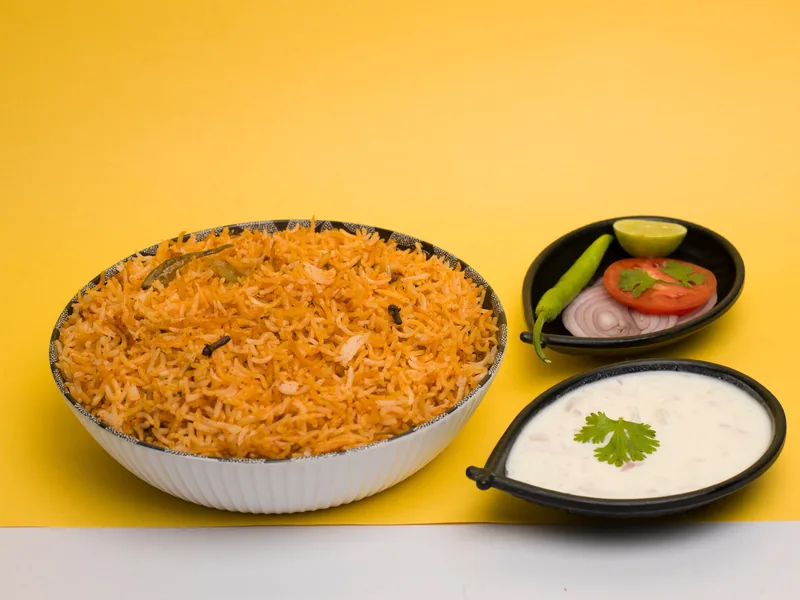
Mexican Rice
Restaurant-style Mexican rice with separate, fluffy grains: long-grain rice rinsed, toasted golden in oil, then simmered in a blended tomato, onion and garlic broth and left covered to steam.
- Total time
- 45 min
- Yield
- Serves 6
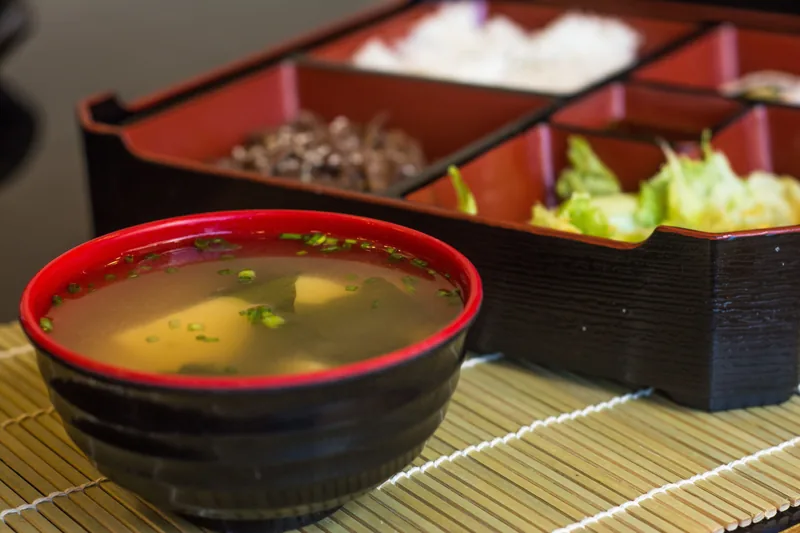
Japanese Clear Soup with Tofu and Mushrooms
A clear kombu and shiitake broth seasoned with light soy and sake, with soft tofu, enoki and fresh shiitake, finished with ginger juice. Vegan, light and ready in 30 minutes.
- Total time
- 1 hr
- Yield
- Serves 4

Stuffed Gulab Jamun with Cream and Pistachios
Milk-powder gulab jamun fried low and slow, soaked in cardamom rose syrup, chilled, then split and filled with whipped mascarpone cream and rolled in chopped pistachios.
- Total time
- 4 hr 5 min
- Yield
- Makes 16 (serves 8)