Homemade Bubble Gum
Homemade bubble gum from gum base pellets, corn syrup, glycerin and powdered sugar, flavored like classic old fashioned bubble gum. A kitchen project for kids, with an adult on the hot part.
- Prep
- 20 min
- Cook
- 10 min
- Rest
- 15 min
- Makes
- Makes about 30 small pieces
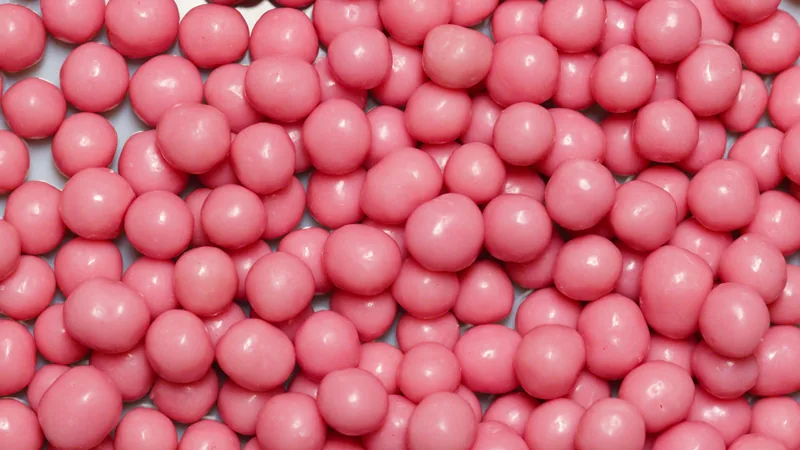
Bubble gum is one of the few candies you cannot make from scratch with what is in the pantry. The chewy part, the stuff that stretches and blows bubbles and never dissolves, is gum base: a food-grade blend of polymers, resins and softeners. Nobody makes that at home. What you can do is buy gum base and turn it into gum, the same way a candy maker would, and it is a good project to do with kids.
Gum base is sold online and in candy-making supply shops, usually as small white pellets. Look for one labeled for chewing gum or bubble gum. Some bases are softer and bubble better; others are firmer and chew longer. Any of them works with this method. On its own it tastes of nothing and feels like hard plastic, which is why the other ingredients matter.
Corn syrup and glycerin are the softeners. Gum base will not melt into anything workable on its own, and once cool it sets hard. Corn syrup adds sweetness and keeps the gum soft and stretchy. Food-grade glycerin, sold in the baking aisle or next to the gum base, stops it from drying out and getting stiff a day later. Without them you get a dense lump that is hard on the jaw.
Melt everything gently. A double boiler, a heatproof bowl set over a pan of barely simmering water, is the safest way, because the water cannot get hotter than boiling and the base will not scorch. A microwave works too, in fifteen-second bursts with a stir between each. Either way the base softens into a thick, sticky taffy rather than a liquid. It will never pour like syrup, so stop heating when it is soft and evenly mixed.
This is the part for an adult. Melted gum base and hot syrup cling to skin and hold their heat, so a burn from them is worse than a splash of water. A grown-up should handle the bowl, stir and scrape the mixture out onto the sugar. Kids can measure, add the color and do the kneading once it has cooled enough to touch comfortably.
The kneading is where it turns into gum. Powdered sugar sweetens it and dries the surface so it stops sticking. Work it in a little at a time, folding and pressing like bread dough, until the gum feels smooth and only slightly tacky. Add the flavoring during the kneading, not in the hot bowl, where much of it would cook off.
That classic pink bubble gum flavor is a blend, usually built on fruit notes like banana, strawberry and cherry. Super-strength candy flavoring oils, sold as bubble gum flavor, get closest. Ordinary alcohol-based extracts are weaker and fade faster.
Homemade gum is softer than store-bought and keeps its flavor for a shorter chew. It is a treat, not a sugar-free one, and it is not for very small children who might swallow it. For something else to make together that afternoon, try our banana chocolate chip cookies.
Homemade bubble gum at a glance
- Total time
- 45 min
- Yield
- Makes about 30 small pieces
Gum base, softeners, sugar and flavor
Gum
- ¼ cup (about 1¾ oz / 50 g) chewing gum base pellets
- 2 tbsp light corn syrup
- 1 tsp food-grade vegetable glycerin
Kneading and flavor
- 1 cup (120 g) powdered sugar, plus more as needed
- ½–1 tsp bubble gum candy flavoring oil, to taste
- 1–2 drops pink or red gel food coloring (optional)
- ¼ tsp citric acid, for a fruit-flavored gum (optional)
Melt, knead, roll and cut
- 1 Spread ¾ cup of the powdered sugar in a mound on a clean counter or a large cutting board and make a well in the middle. Keep the rest nearby.
- 2 Adult step: put the gum base, corn syrup and glycerin in a heatproof bowl set over a saucepan of barely simmering water. Stir with a silicone spatula until the base has softened into a thick, smooth, taffy-like mass, 5–10 minutes. (Or microwave in 15-second bursts, stirring between each.)
- 3 Adult step: stir in the food coloring, then scrape the hot mixture into the well in the powdered sugar. Let it cool for 3–5 minutes, until it is warm but comfortable to handle.
- 4 Sprinkle the flavoring oil and citric acid, if using, over the gum. Fold the sugar over it and knead, pressing and folding like bread dough, for 5–10 minutes. Add more powdered sugar a spoonful at a time whenever it sticks to your hands.
- 5 Stop when the gum is smooth, stretchy and only slightly tacky. Taste a small piece and knead in a few more drops of flavoring if you want it stronger.
- 6 Roll the gum into a rope about ½ inch (1 cm) thick. Cut it into 1-inch (2.5 cm) pieces with oiled kitchen scissors and roll each piece in powdered sugar.
- 7 Let the pieces rest uncovered for 15 minutes to firm up, then wrap them individually in wax paper.
Buying gum base, cleanup and storage
- Gum base is sold online and in candy-making supply shops. Ordinary chewing gum cannot be remelted to make this; it is already finished gum.
- Lightly oil your hands with a neutral oil before kneading if the gum keeps sticking to them, instead of adding a lot of extra sugar.
- Soak the bowl and spatula in hot water right after you finish. Gum base that sets on them is much harder to remove later.
- Store wrapped pieces in an airtight container at room temperature for up to 2 weeks. They slowly firm up and the flavor fades over time.
- For mint gum, use peppermint or spearmint candy oil instead of bubble gum flavor and skip the citric acid.
Gum base, safety and texture
No. Gum base is the part that chews and stretches without dissolving, and there is no home substitute for it. Recipes that skip it make a soft candy, not gum.
It is sold online and by candy-making suppliers, usually as small pellets labeled for chewing gum or bubble gum. Buy one that is food-grade and meant for chewing.
The kneading, shaping and cutting are fine for kids. An adult should handle the melting and the hot mixture, which sticks to skin and holds its heat.
Usually too much powdered sugar or not enough glycerin and corn syrup. Knead in a few drops of glycerin, or warm the gum briefly and knead with less sugar.
Homemade gum carries less flavor than factory gum. Use a super-strength candy oil, add it during kneading rather than to the hot base, and store the pieces airtight.
More kitchen projects for kids
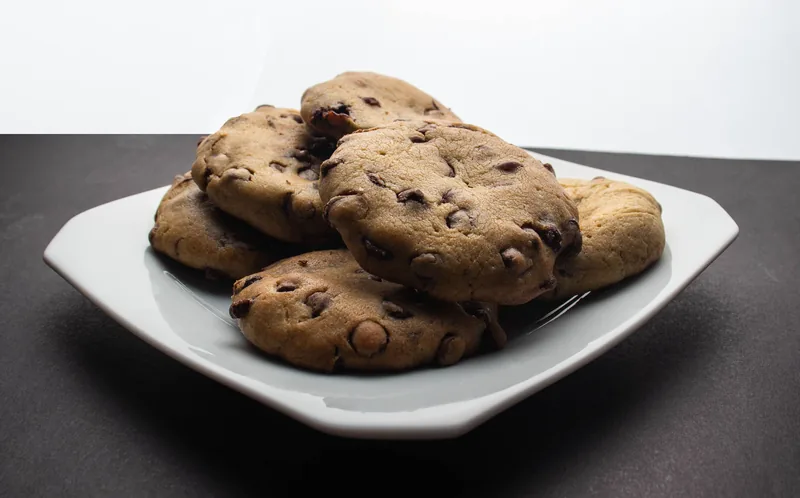
Banana Chocolate Chip Cookies
Soft, cakey banana and chocolate chip cookies made in one bowl with melted butter, two ripe bananas and semisweet chips. No mixer and no overnight chill.
- Total time
- 54 min
- Yield
- Makes about 30 cookies
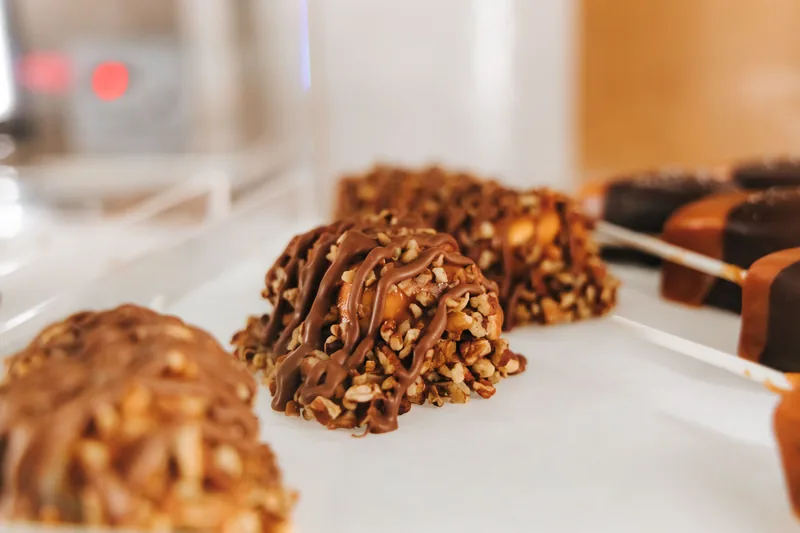
Chocolate Pecan Turtle Clusters
Toasted pecans under a firm-ball caramel and a coat of seeded dark chocolate, cooked to a thermometer so the chew is the same every time.
- Total time
- 2 hr 15 min
- Yield
- Makes about 18 clusters
Fruit Pizza Cookies
Sugar cookie bases, cream cheese frosting, fresh fruit on top. Assembled within an hour of eating.
- Total time
- 1 hr 42 min
- Yield
- Makes 16