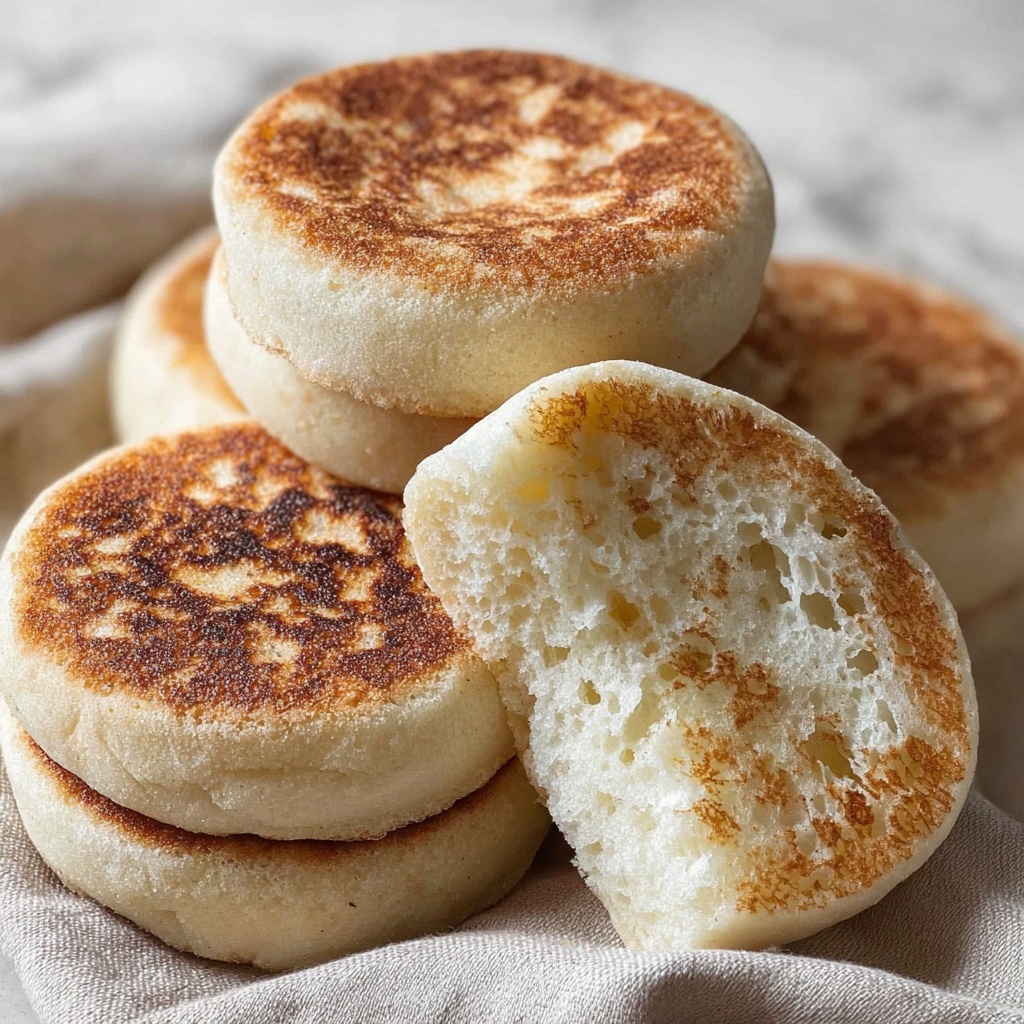
If you’ve ever wondered what to do with leftover sourdough discard, this Sourdough Discard English Muffins Recipe is about to become your new favorite way to use it up. Imagine biting into a soft, lightly tangy English muffin with those signature nooks and crannies just waiting to hold pools of melted butter or sugar-dusted jam. This recipe transforms what might be waste into a comforting breakfast or snack that feels special yet approachable. Plus, it’s a perfect example of how simple ingredients and a bit of time can lead to something truly delicious and rewarding.
Ingredients You’ll Need
The beauty of this Sourdough Discard English Muffins Recipe lies in its simplicity and accessibility. Each ingredient plays a crucial role, from the warmth of the milk to the slight sweetness of brown sugar, coming together to create the perfect texture and flavor.
- Whole milk (1 cup, warmed to 110°F): Provides moisture and helps activate the yeast for a tender crumb.
- Unsalted butter (2 tablespoons, melted): Adds richness and keeps the muffins soft.
- Brown sugar (2 tablespoons): Balances the tang of the sourdough discard with a hint of sweetness.
- Active dry yeast (1 teaspoon): Works alongside the natural starter to give the muffins a gentle lift and fluffiness.
- Sourdough discard (½ cup): The star of the show, lending subtle tang and depth in flavor.
- Bread flour (2 ½ cups): Offers the gluten structure needed for those iconic chewy English muffin nooks.
- Kosher salt (2 teaspoons): Enhances all the flavors without overpowering.
- Cornmeal or semolina flour (for dusting): Prevents sticking and adds a delightful crunch to the crust.
How to Make Sourdough Discard English Muffins Recipe
Step 1: Mix Ingredients
Start by combining the warm milk, melted butter, sourdough discard, brown sugar, and active dry yeast in a large bowl. Let this mixture sit for a few minutes so the yeast activates. Then add the bread flour and kosher salt. Use a dough whisk or wooden spoon to work it together into a slightly sticky dough where everything is blended perfectly. This initial mixing kickstarts the magic of fermentation and texture development.
Step 2: Let Dough Rise
Cover your bowl and allow the dough to rise until it doubles in size, usually about 60 to 90 minutes. If you want to deepen the flavor, refrigerate the dough overnight at this point — the slow fermentation enhances sour notes and improves texture. This patient rising is where the dough transforms from simple ingredients to something alive and airy.
Step 3: Prepare Dough for Shaping
Once risen or chilled, turn the dough out onto a floured surface and gently press or roll it to about 1-inch thickness. Using a biscuit cutter or even a drinking glass, cut rounds to form your muffins. Don’t worry about waste; simply gather scraps, stack, re-roll, and cut again. The size and thickness can be adjusted based on what you like, typically yielding around 9 to 10 muffins.
Step 4: Shape Muffins
Place the dough rounds onto a baking sheet that’s generously dusted with cornmeal or semolina—that signature texture starts here! Dust the tops as well, cover the muffins, and let them rise again until puffed and light—about an hour or two, depending on whether the dough was refrigerated. This second rise ensures that soft, airy crumb we all adore.
Step 5: Cook Muffins
Heat an electric skillet to 300°F or use a heavy skillet on medium-low. Cook the muffins covered for five minutes on one side, then flip and cover again for another five minutes. Turn the heat down if needed, flipping a few more times until their internal temperature reaches 195-200°F. For a classic oven finish, bake at 350°F for about 10 minutes. This method gives you those perfect golden crusts and beautifully cooked interiors.
Step 6: Cool and Serve
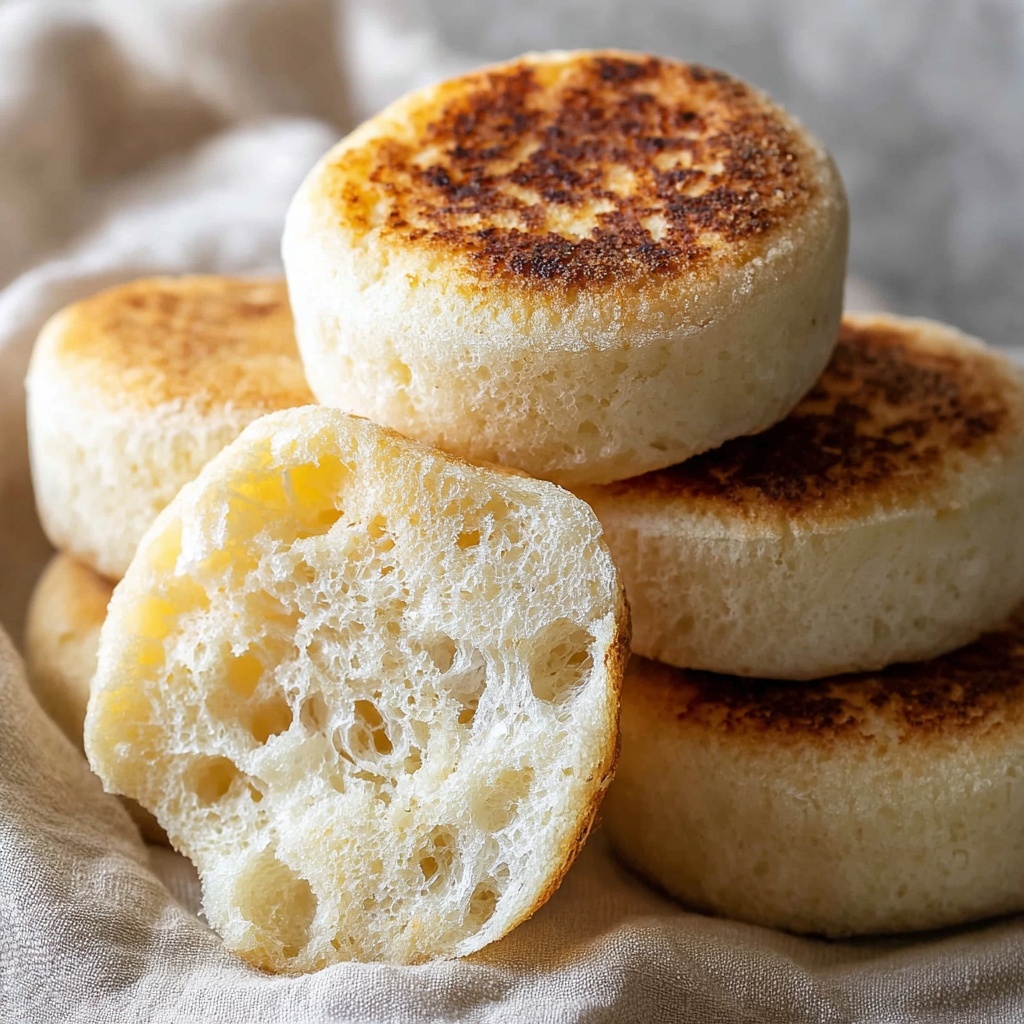
Transfer the muffins to a rack and let them cool completely. To reveal those treasured nooks and crannies, use a fork and your fingers to gently pull the muffins apart before toasting. This little trick guarantees the ideal texture for holding butter or your favorite spreads.
Alternative Shaping Option for Sourdough Discard English Muffins Recipe
If you prefer less fuss, divide the dough into 8-12 pieces, shape each into a ball, then press gently into a disk. This shortcut produces delicious muffins with less rolling and cutting, perfect for when you want the flavor without extra prep.
How to Serve Sourdough Discard English Muffins Recipe
Garnishes
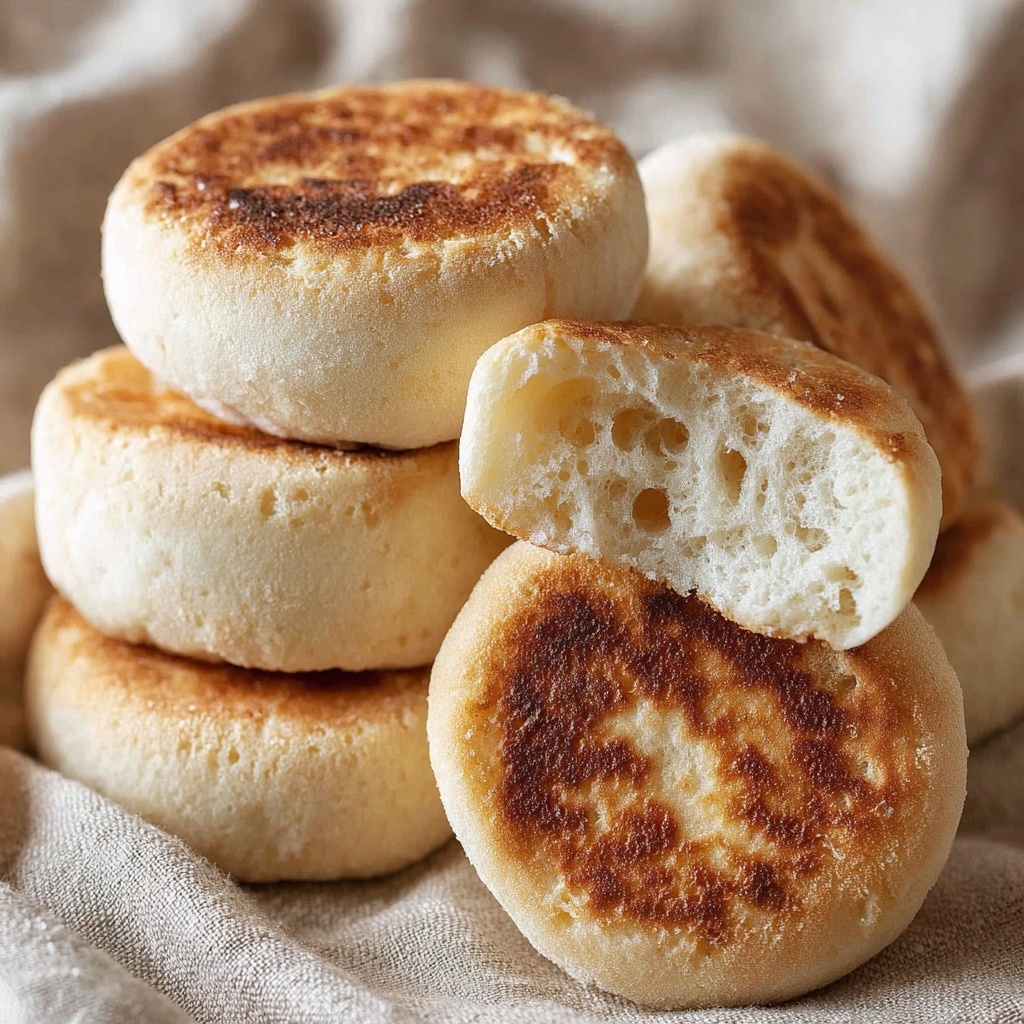
These English muffins are delicious plain but elevate spectacularly with simple garnishes like butter, clotted cream, or your favorite jam. For something savory, a smear of cream cheese and smoked salmon creates a luxurious treat. Fresh herbs or a sprinkle of cinnamon sugar add extra personality, making each bite dynamic.
Side Dishes
Pair these muffins with a sunny-side-up egg or a crispy bacon strip for the ultimate breakfast lineup. They also make a fabulous base for eggs Benedict or a hearty sandwich alongside fresh greens. The muffins’ sturdy yet tender texture balances well with a variety of sides, from fresh fruit to a bowl of warm soup.
Creative Ways to Present
Slice and toast your sourdough discard English muffins, then turn them into mini pizzas with tomato sauce, cheese, and your favorite toppings. Or transform them into adorable breakfast sliders filled with eggs, sausage, and cheese. You can also use them as a base for open-faced sandwiches, adding seasonal vegetables and spreads for a fresh, colorful meal.
Make Ahead and Storage
Storing Leftovers
Wrap cooled muffins tightly in plastic wrap or store them in an airtight container at room temperature for up to 2 days. Keeping them sealed helps maintain their soft texture and prevents them from drying out.
Freezing
These muffins freeze beautifully. Place them in a freezer-safe bag or container, making sure to separate layers with parchment paper to avoid sticking. They can be frozen for up to 3 months, so you can enjoy homemade English muffins anytime the craving strikes.
Reheating
To reheat, simply toast the muffins straight from the freezer or give them a quick warm-up in a 350°F oven for 5 to 10 minutes. If you like your muffins soft and warm without toasting, microwave for 15-20 seconds wrapped in a damp paper towel, then finish with a light toast if desired.
FAQs
Can I use all-purpose flour instead of bread flour?
Yes, you can substitute all-purpose flour, but bread flour offers more gluten which helps create those chewy nooks and crannies that make English muffins special. Using all-purpose flour will still work but expect a slightly softer texture.
Do I have to use sourdough discard?
This recipe shines with sourdough discard due to its tangy flavor and natural fermentation benefits, but you could experiment by using a small amount of starter or replacing it with more yeast. The flavor profile and texture will differ though.
Why do I need to dust the baking sheet with cornmeal or semolina?
Cornmeal or semolina not only prevents the muffins from sticking during the final rise and cooking but also creates a delightfully crisp exterior texture that is signature to classic English muffins.
Can I make this recipe vegan?
Yes, by swapping whole milk for a plant-based milk like almond or oat and using a vegan butter alternative, you can achieve delicious vegan English muffins without sacrificing flavor or texture.
How long does the dough need to rise if refrigerated overnight?
If you choose the overnight rise, expect the dough to need about 2 hours of room temperature rising after shaping to become puffy and ready for cooking. The slow fermentation develops flavor wonderfully, making the wait well worth it.
Final Thoughts
This Sourdough Discard English Muffins Recipe is a heartwarming way to transform leftover starter into a delicious homemade treat that feels both timeless and fresh. Once you try making these muffins, you’ll understand how satisfying it is to create simple ingredients into something with a touch of rustic elegance and unbeatable flavor. I encourage you to give this recipe a go—you might just find your new weekend baking tradition!
Print
Sourdough Discard English Muffins Recipe
- Prep Time: 15 minutes
- Cook Time: 25 minutes
- Total Time: 1 hour 40 minutes to 2 hours 10 minutes (including rising time)
- Yield: 9-10 muffins
- Category: Breakfast
- Method: Stovetop
- Cuisine: American
Description
Delicious homemade sourdough discard English muffins featuring a tangy flavor and classic craggy texture. These muffins are cooked on a skillet, making them a perfect breakfast treat to toast and enjoy with butter or jam. Utilizing sourdough discard adds depth of flavor while reducing waste.
Ingredients
Main Ingredients
- 1 cup whole milk (240 grams), warmed to 110 degrees F
- 2 tablespoons (28 grams or 1 ounce) unsalted butter, melted
- 2 tablespoons (30 grams) brown sugar (or sweetener of choice)
- 1 teaspoon (3 grams) active dry yeast
- ½ cup (140 grams) sourdough discard
- 2 ½ cups (300 grams) bread flour
- 2 teaspoons (6 grams) kosher salt
For Dusting
- Cornmeal or semolina flour
Instructions
- Mix Ingredients: In a large mixing bowl, combine warm milk, melted butter, sourdough discard, brown sugar, and active dry yeast. Let sit for a few minutes to activate the yeast. Then add bread flour and kosher salt, mixing with a dough whisk or wooden spoon until a slightly sticky dough forms and all ingredients are thoroughly combined.
- Let Dough Rise: Cover the bowl and allow the dough to rise until doubled in size, approximately 60 to 90 minutes. For extra flavor, you may refrigerate the dough overnight at this stage (optional).
- Prepare Dough for Shaping: Once risen (or chilled), turn the dough onto a floured surface and press or roll out to about 1-inch thickness. Use a biscuit cutter, drinking glass, or jar to cut rounds. Collect scraps, stack, re-roll, and cut again. Thickness can be adjusted to yield 9-10 muffins depending on size.
- Shape Muffins: Place the cut rounds on a pan heavily dusted with cornmeal or semolina flour. Dust both sides of the muffins well. Cover and let rise for about one hour until puffy and light; if dough was refrigerated, rising may take about two hours.
- Cook Muffins: Preheat an electric skillet to 300°F or heat a heavy skillet over medium-low heat. Place risen muffins in the skillet spaced apart. Cover and cook for 5 minutes. Flip the muffins, cover again, and cook for another 5 minutes. Reduce heat to about 250°F if needed and flip muffins several times until internal temperature reaches 195-200°F. Alternatively, finish cooking the muffins in a 350°F oven for about 10 minutes depending on thickness.
- Cool and Serve: Transfer muffins to a cooling rack to cool to room temperature. For characteristic craggy nooks and crannies, use a fork and fingers to pry the muffins apart before toasting and serving.
- Alternative Shaping Option: Instead of rolling and cutting rounds, divide dough into 8-12 pieces, shape each into a ball, then press flat into a disk. This technique reduces scraps and simplifies preparation.
Notes
- Refrigerating the dough overnight after the first rise enhances flavor development.
- Use cornmeal or semolina generously to prevent sticking and add texture.
- Cook muffins slowly over moderate heat to ensure they cook through without burning.
- Check internal temperature of muffins for perfect doneness (195-200°F).
- Customize sweetness by adjusting brown sugar or substituting with preferred sweetener.
- For best texture, separate muffins with a fork rather than slicing with a knife.