“`html
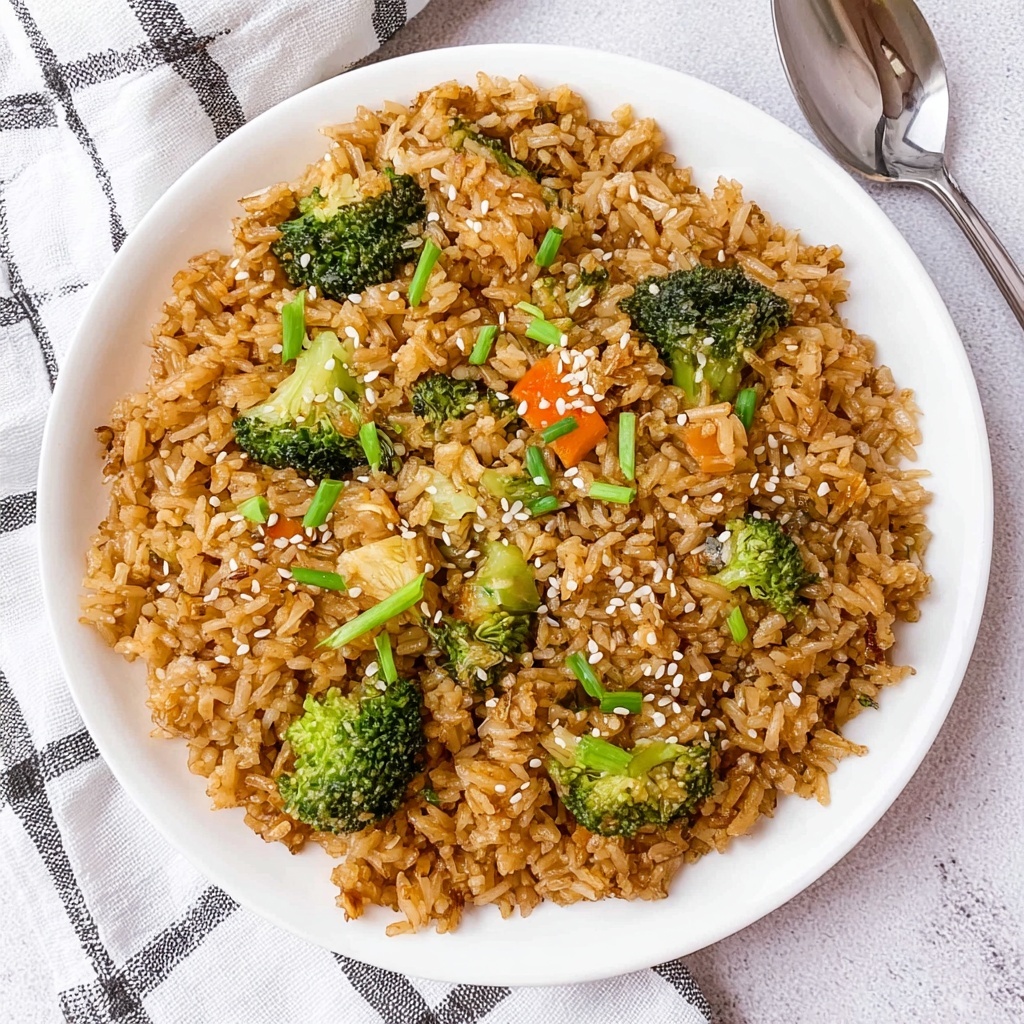
If you’re craving bold, vibrant flavors that come together in a flash, this Korean Gochujang Fried Rice Recipe is an absolute must-try. It bursts with the deep, spicy-sweet heat of gochujang paste balanced by fresh, crunchy veggies and a hint of maple syrup that rounds everything out beautifully. Whether you’re new to Korean-inspired cooking or a seasoned fan, this dish is a wonderful way to whip up a satisfying meal in just 15 minutes that your whole family will adore.
Ingredients You’ll Need
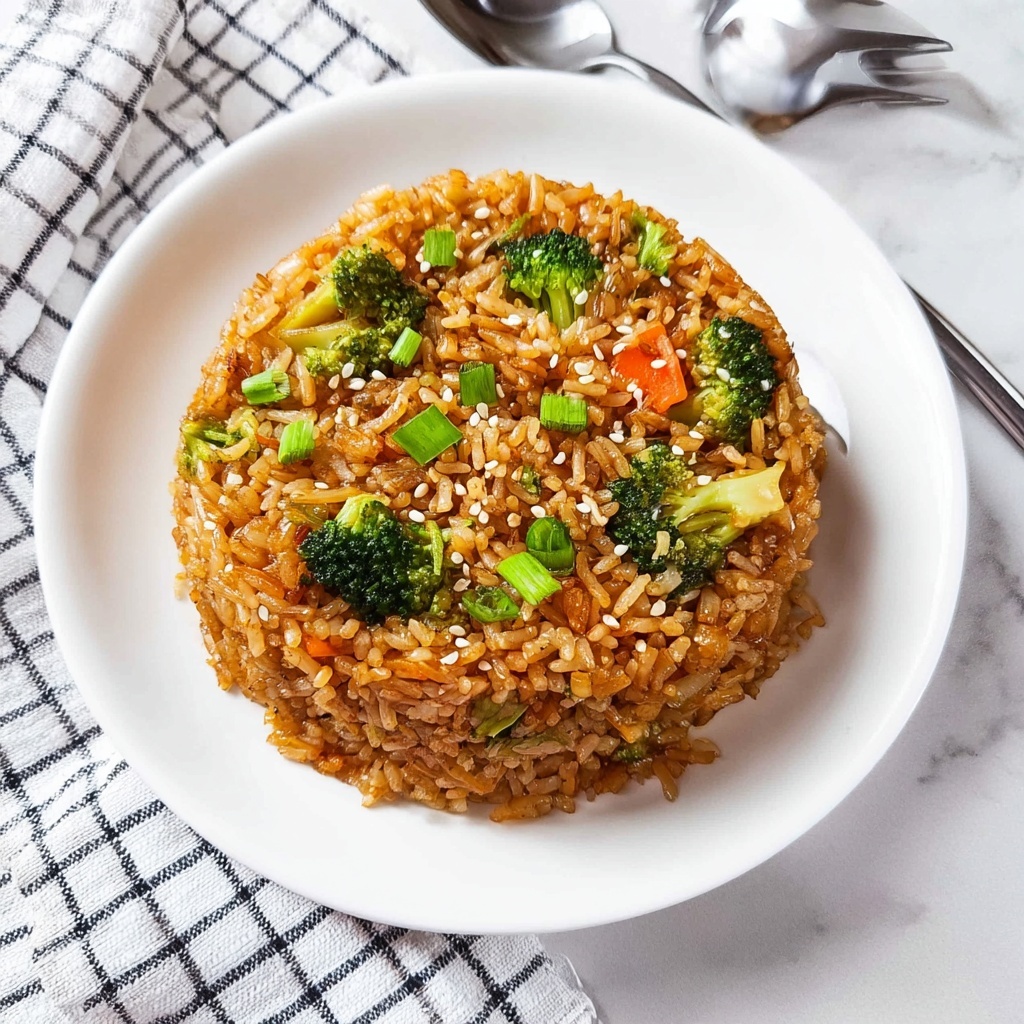
This Korean Gochujang Fried Rice Recipe calls for a handful of simple yet essential ingredients that combine to create a mouthwatering balance of texture, color, and flavor. Each component plays a crucial role, from the earthy sesame oil to the fresh crunch of broccoli and the zing of ginger.
- 2 cups Rice: Use cooked, preferably day-old rice for perfect stir-fry texture without clumping.
- 2 tbsp. Gochujang paste: This spicy Korean chili paste provides the signature bold heat and sweetness.
- 1 Broccoli: Adds vibrant green color and a satisfying crunch.
- 2 Carrots: Brings a slight natural sweetness and beautiful orange hues.
- 1 Kohlrabi: Offers a subtle peppery bite and crunch to elevate the texture.
- 1 Onion: Adds depth and a touch of caramelized sweetness when cooked.
- 1 tbsp. Garlic: Infuses the dish with pungent aromatic warmth.
- 1 tbsp. Ginger: Delivers zesty brightness and a subtle spice that awakens the palate.
- 1 Scallion: For a fresh, mild oniony garnish.
- 2 tbsp. Sesame oil: Brings toasty richness and authentic Korean flavor.
- 1 tsp. Sesame seeds: For a nutty crunch and visual appeal.
- 2 tbsp. Soy sauce: Adds salty umami depth.
- 1 tbsp. Vegan oyster sauce: Enhances savory complexity (optional, but highly recommended).
- 1 tbsp. Rice vinegar: Gives a gentle tang that balances the rich flavors.
- 2 tsp. Maple syrup: A natural sweetness that smoothens the spicy edges.
- 1 Thai red chilli: Adds a fresh heat boost, sliced thinly so you can control the spice level.
How to Make Korean Gochujang Fried Rice Recipe
Step 1: Prep Your Veggies
Chopping is key here! Cut your broccoli, carrots, and kohlrabi into bite-sized pieces similar in size so they cook evenly. I love adding whatever fresh greens are available—I tossed in some garden-grown pok choy for extra texture. This prep sets the stage for a colorful and crunchy final dish that’s as nutritious as it is tasty.
Step 2: Mince Aromatics
Finely mince your ginger and garlic, then chop the onion and scallion. These ingredients create the flavorful backbone, so don’t rush this step. The aroma when you sauté them will get your mouth watering immediately!
Step 3: Whip Up the Sauce
In a small bowl, combine the gochujang paste, vegan oyster sauce, soy sauce, rice vinegar, and maple syrup to make a smooth, delicious slurry. Adding sliced Thai red chilli here is optional but highly recommended if you like a vibrant kick of heat woven through every bite.
Step 4: Start Stir-Frying
Heat the sesame oil in a skillet or cast iron pan over medium heat. Add the chopped onion, ginger, and garlic, sautéing for about 2 minutes until fragrant and slightly translucent. Then toss in the chopped veggies, stirring well to coat them in the aromatic oil and get that beautiful early caramelization.
Step 5: Cook the Veggies Till Tender-Crunchy
Cover the pan and let the vegetables steam for a couple of minutes to soften them to an al dente texture. You want them tender but still crisp enough to provide contrast against the soft rice.
Step 6: Incorporate the Rice
Add room-temperature cooked rice to the pan and mix everything together thoroughly—breaking up any clumps and ensuring the rice is evenly distributed with the veggies. This blank canvas is ready for the star ingredient.
Step 7: Add the Gochujang Sauce and Finish
Drizzle your prepared gochujang sauce over the rice and vegetables, then toss well to coat everything in the spicy, sweet, umami-packed glaze. Taste and adjust seasoning as needed—you can always add more soy sauce, vinegar, or gochujang for extra punch. Garnish with scallions and toasted sesame seeds. Your Korean Gochujang Fried Rice Recipe is now fully complete and ready to enjoy!
How to Serve Korean Gochujang Fried Rice Recipe
Garnishes
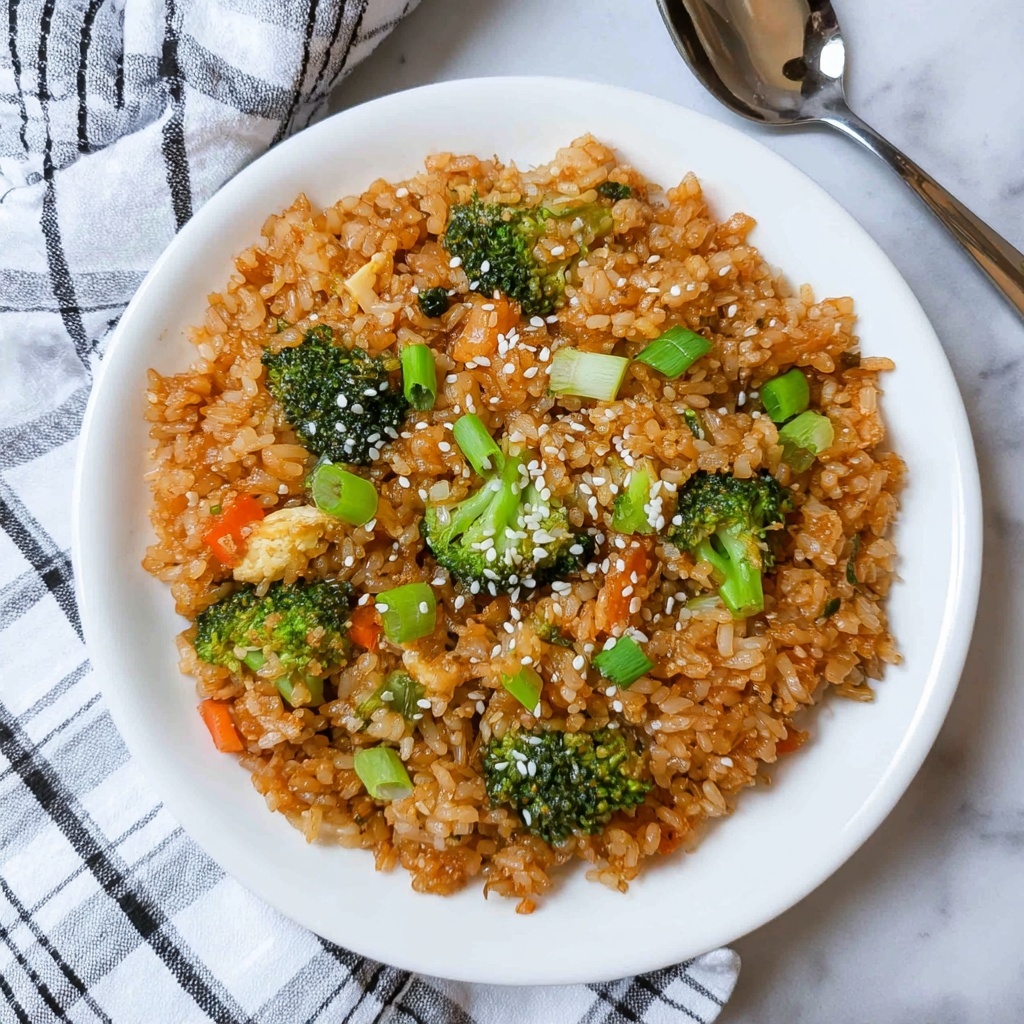
Fresh scallions and toasted sesame seeds are classic and add a lovely freshness plus a subtle crunch. If you want to get fancy, a fried or poached egg on top makes it even more luscious and comforting. Thin slices of extra Thai red chili can be sprinkled on for an extra fiery kick.
Side Dishes
Serve your Korean Gochujang Fried Rice Recipe alongside crispy fried tofu, grilled tempeh, or even a simple cucumber kimchi salad. These sides complement the spicy rice perfectly by offering freshness, crunch, or protein for a well-rounded meal.
Creative Ways to Present
Try serving this fried rice in individual avocado halves for a stunning presentation, or nestle it inside lettuce cups for a fresh, handheld option. You can also pack it into warm tortillas for gochujang-inspired burritos or stuff it into bell peppers for a colorful twist on stuffed peppers.
Make Ahead and Storage
Storing Leftovers
After enjoying your Korean Gochujang Fried Rice Recipe, store any leftovers in an airtight container in the refrigerator. It will keep well for up to 3 days, making it an excellent option for quick lunch or dinner reheats.
Freezing
You can freeze leftover fried rice by placing it in a tightly sealed container or freezer bag. It stays good for up to one month. Just thaw overnight in the fridge before reheating to preserve the best texture.
Reheating
Reheat your Korean Gochujang Fried Rice Recipe on the stovetop in a skillet with a splash of water or oil to prevent sticking. Microwave works too—cover the container to keep moisture in and stir halfway through heating to warm it evenly.
FAQs
Can I use fresh rice for Korean Gochujang Fried Rice Recipe?
Freshly cooked rice tends to be too moist and sticky for fried rice. It’s best to use day-old rice or rice that has cooled and dried slightly, so your dish has the ideal texture with separate grains.
Is this recipe vegan?
Yes! This Korean Gochujang Fried Rice Recipe is completely vegan, especially if you use vegan oyster sauce or omit it altogether. It’s a plant-based delight that doesn’t sacrifice any flavor.
How spicy is the gochujang paste?
Gochujang has a moderate level of heat with underlying sweetness and umami flavor. If you’re sensitive to spice, start with less paste and add more gradually until it suits your taste.
Can I substitute other vegetables?
Absolutely! Feel free to use whatever veggies you have on hand—bell peppers, snap peas, zucchini, or mushrooms all work wonderfully and add their own twist to the dish.
What protein pairs well with Korean Gochujang Fried Rice Recipe?
Tofu, tempeh, grilled chicken, or shrimp make excellent protein options. For a vegan meal, crispy pan-fried tofu is a classic favorite.
Final Thoughts
This Korean Gochujang Fried Rice Recipe is an incredible way to brighten up your weeknight dinners with minimal effort and maximum flavor. It’s flexible, vibrant, and utterly delicious—guaranteed to become one of your go-to meals. Give it a try and watch it become a fast favorite at your table!
“`
Print
Korean Gochujang Fried Rice Recipe
- Prep Time: 10 minutes
- Cook Time: 5 minutes
- Total Time: 15 minutes
- Yield: 4 servings
- Category: Main Course
- Method: Stovetop
- Cuisine: Korean
- Diet: Vegan
Description
This Korean Gochujang Fried Rice is a vibrant, flavorful dish that combines tender vegetables and rice with a spicy and savory gochujang-based sauce. Quick to prepare in just 15 minutes, it’s a perfect weeknight meal that balances heat, sweetness, and umami, garnished with scallions and toasted sesame seeds for a delightful finish.
Ingredients
Vegetables
- 1 broccoli, chopped into bite-sized pieces
- 2 carrots, chopped
- 1 kohlrabi, chopped
- 1 onion, chopped
- 1 scallion, sliced for garnish
- 1 tbsp garlic, minced
- 1 tbsp ginger, minced
- 1 Thai red chilli, sliced (optional)
Main Ingredients
- 2 cups cooked rice, preferably at room temperature
- 2 tbsp sesame oil
- 1 tsp sesame seeds, toasted
Sauce
- 2 tbsp gochujang paste
- 2 tbsp soy sauce
- 1 tbsp vegan oyster sauce
- 1 tbsp rice vinegar
- 2 tsp maple syrup
Instructions
- Prepare the vegetables: Chop broccoli, carrots, kohlrabi, and any other vegetables (like pok choy) into similar-sized pieces for even cooking.
- Minced aromatics: Finely mince the garlic and ginger. Chop the onion and scallion, keeping scallion for garnish.
- Make the sauce: In a bowl, mix gochujang paste, vegan oyster sauce, soy sauce, rice vinegar, maple syrup, and sliced Thai red chilli if using, until it forms a smooth slurry.
- Sauté aromatics: Heat sesame oil in a skillet or cast iron pan over medium heat. Add chopped onion, ginger, and garlic and sauté for about 2 minutes until fragrant.
- Cook vegetables: Add the chopped vegetables to the pan, stirring to coat them with oil and aromatics. Cover and cook for a couple of minutes until the veggies are al dente.
- Add rice and sauce: Add the cooked rice to the pan and mix thoroughly with vegetables. Pour in the prepared gochujang sauce and toss everything well until evenly coated.
- Final seasoning and garnish: Taste the fried rice and adjust seasoning if needed. Garnish with sliced scallions and toasted sesame seeds. Serve hot.
- Serving suggestion: This dish pairs wonderfully with fried tofu or any protein of your choice.
Notes
- Use day-old rice or rice at room temperature to get the best texture without clumping.
- Feel free to swap vegetables according to what you have on hand.
- If vegan oyster sauce is unavailable, substitute with more soy sauce or mushroom sauce.
- Adjust the amount of gochujang for desired spice level.
- Adding a fried egg on top can make this meal more filling.