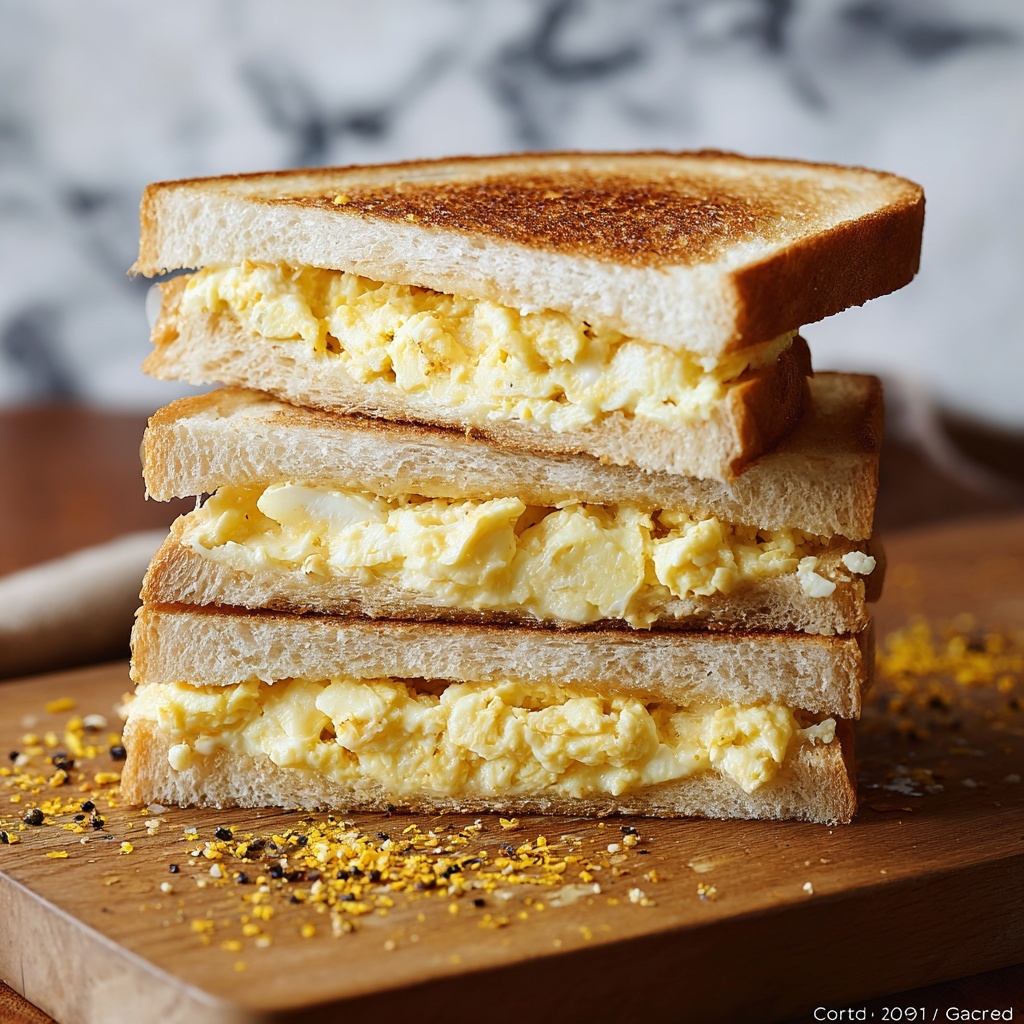
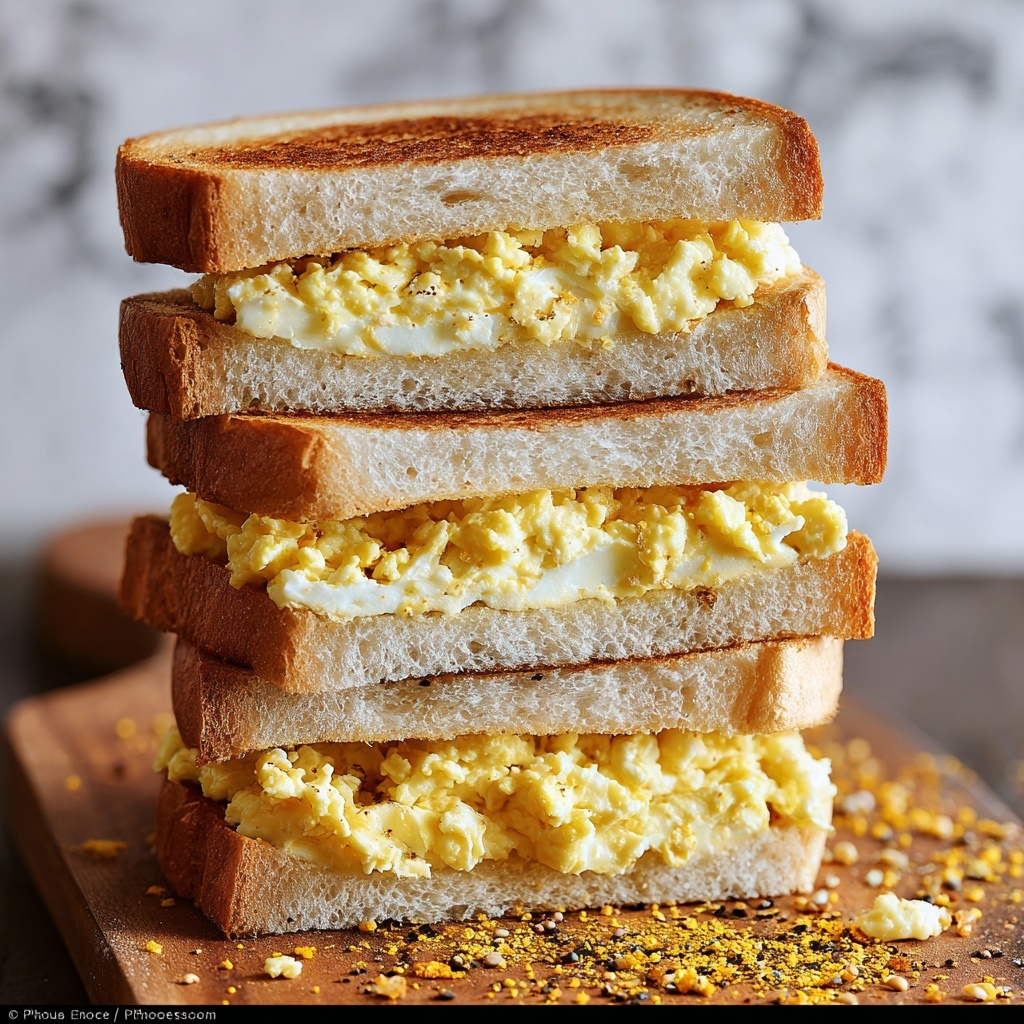
If you’re looking for an irresistibly soft, creamy, and comforting sandwich that sings with subtle flavors, this Japanese Egg Sandwich (Tamago Sando) Recipe is exactly what you need. This iconic Japanese deli staple takes the humble egg sandwich to a whole new level with its fluffy, slightly sweet Japanese milk bread, rich mayonnaise, and perfectly seasoned egg filling. It’s a simple yet extraordinary treat that feels like a warm hug in every bite, perfect for breakfast, lunch, or an anytime snack that leaves you craving more.
Ingredients You’ll Need
This recipe calls for a handful of simple ingredients that are easy to find but come together to deliver delicious harmony. Each element plays a vital role: eggs provide the creamy base, Japanese milk bread adds a tender touch, and Japanese mayonnaise gives that signature richness that makes this sandwich unforgettable.
- 6 large Pete and Gerry’s Organic Eggs: Use high-quality eggs for the best flavor and texture in your egg salad.
- 1/4 teaspoon sugar: Just enough to balance the savory and create a subtle sweetness in the filling.
- 1/4 teaspoon salt: Essential for bringing out the natural flavor of the eggs.
- 1/4 teaspoon ground black pepper: Adds a gentle kick and depth without overpowering.
- 1 to 2 teaspoons milk or plant milk (optional): Helps make the egg mixture extra creamy if you like.
- 4 tablespoons Japanese mayonnaise: The secret ingredient that lends a silky, tangy richness unlike ordinary mayo.
- 4 slices Japanese milk bread: Soft, fluffy, and slightly sweet bread that cradles the egg salad perfectly.
- 2 tablespoons unsalted butter, softened: Adds moisture and a luscious layer on the bread for that melt-in-mouth feel.
- Chives, sliced (optional): Brighten the sandwich with a fresh, mild onion flavor and a pop of green color.
How to Make Japanese Egg Sandwich (Tamago Sando) Recipe
Step 1: Boil the Eggs Perfectly
The foundation of this Japanese Egg Sandwich (Tamago Sando) Recipe starts with perfectly boiled eggs. Bring a pot of water to a boil and gently lower in the eggs. For medium-soft boiled yolks that are just set, cook for 7 minutes; for firmer, classic hard-boiled eggs, cook for 10 minutes. Once done, immediately transfer the eggs to an ice bath to stop the cooking process and make peeling easier. Cooling the eggs quickly is crucial to achieve that smooth texture in the salad.
Step 2: Prepare the Egg Filling
Carefully peel the cooled eggs and transfer them to a bowl. Use a fork to mash the eggs into pieces smaller than a pea but not a complete puree — this texture is key. Add sugar, salt, and freshly ground black pepper, stirring until everything is evenly mixed. The seasoning here is subtle yet essential; it brings balance and depth to the filling.
Step 3: Add Creaminess and Flavor
Now, fold in the Japanese mayonnaise and optionally, a teaspoon or two of milk or plant-based milk to reach that ultra-creamy consistency. Japanese mayo is creamier and tangier than most, giving the filling a distinct character. Taste and adjust the seasoning if needed — this egg salad is the heart of the sandwich, so it needs to be just right.
Step 4: Prepare the Bread
Spread softened unsalted butter gently on each slice of the soft Japanese milk bread. This extra touch boosts richness and helps keep the sandwich moist. The bread itself is special — its pillowy, tender crumb adds to the luxuriously soft experience that’s a hallmark of the Japanese Egg Sandwich (Tamago Sando) Recipe.
Step 5: Assemble the Sandwich
Spread the creamy egg mixture generously on one buttered slice, then top it with the second slice, buttered side facing inward. Press down gently to help the layers meld together. For the classic, clean look, trim off the crusts, which makes this sandwich perfect for a neat, elegant presentation.
Step 6: Slice and Garnish
Cut the sandwich in half for easy handling. If you like, sprinkle some finely sliced chives on top for a fresh, mild onion flavor and a pretty pop of color. Serve immediately to enjoy the delicate textures at their best.
How to Serve Japanese Egg Sandwich (Tamago Sando) Recipe

Garnishes
Simple garnishes like sliced chives or a sprinkle of black pepper enhance the sandwich without overpowering its gentle flavors. Pickled ginger or a light dusting of shichimi togarashi can add a touch of zing if you want to experiment, but often less is more here.
Side Dishes
This sandwich pairs beautifully with crisp, refreshing sides like a small green salad or pickled vegetables to cut through the richness. A bowl of miso soup or a cup of green tea also complements its delicate Japanese-inspired flavors perfectly. For a fuller meal, consider serving with a light fruit salad or edamame.
Creative Ways to Present
For a charming twist on the Japanese Egg Sandwich (Tamago Sando) Recipe, try using cookie cutters to create fun shapes or layering the egg salad in mini slider buns for parties. Arrange halved sandwiches on a platter garnished with edible flowers or microgreens for a lovely, Instagram-worthy presentation.
Make Ahead and Storage
Storing Leftovers
Keep any leftover sandwiches wrapped tightly in plastic wrap or in an airtight container in the refrigerator. They’re best eaten within a day to enjoy the bread’s freshness and the creamy egg filling at their peak texture.
Freezing
Freezing is not recommended for the Japanese Egg Sandwich (Tamago Sando) Recipe because the delicate bread tends to become dry or soggy upon thawing, and the egg filling can change texture. It’s best enjoyed fresh.
Reheating
If you want to serve the sandwich warm, gently toast the bread before spreading the egg salad for a contrast of textures. Avoid microwaving after assembling, as it will make the bread soggy and warm the egg filling unevenly.
FAQs
Can I use regular mayonnaise instead of Japanese mayo?
Yes, you can, but Japanese mayo has a unique creaminess and slight sweetness that really elevates the flavor of the egg salad. If you only have regular mayo, consider adding a tiny bit of rice vinegar or a pinch of sugar to mimic the flavor.
What bread works best in this recipe?
Soft, fluffy Japanese milk bread is ideal because of its light texture and slightly sweet taste. If you can’t find it, use a soft white sandwich bread, but avoid anything too dense or crusty.
How can I make the eggs creamier?
Add a little milk or plant milk while mixing the egg filling. This addition helps bring extra moisture and softness, enhancing that creamy mouthfeel.
Is the sandwich suitable for meal prep?
While you can prepare the egg filling ahead of time, it’s best to assemble the sandwiches just before eating to keep the bread from becoming soggy.
Can I add extra ingredients to the egg filling?
Absolutely! Some people like to add finely chopped celery or pickles for extra crunch, or a little mustard for tang. However, traditional Japanese Egg Sandwich (Tamago Sando) Recipe keeps it simple and smooth to highlight the pure egg flavor.
Final Thoughts
Once you try this Japanese Egg Sandwich (Tamago Sando) Recipe, you’ll understand why it’s become a beloved classic. It’s a humble yet extraordinary way to enjoy eggs, packed with comforting, balanced flavors wrapped in pillowy soft bread. Whether for a quick lunch or a special breakfast, this sandwich will quickly become one of your favorites — and trust me, you’ll want to make it again and again.
Print
Japanese Egg Sandwich (Tamago Sando) Recipe
- Prep Time: 5 minutes
- Cook Time: 12 minutes
- Total Time: 20 minutes
- Yield: 2 servings
- Category: Sandwich
- Method: Boiling
- Cuisine: Japanese
- Diet: Vegetarian
Description
This Japanese Egg Sandwich, known as Tamago Sando, is a delightful and creamy sandwich featuring perfectly boiled eggs mashed and mixed with Japanese mayonnaise, lightly sweetened and seasoned. It’s assembled with soft Japanese milk bread and a touch of butter, resulting in a fluffy, tender, and richly flavored sandwich perfect for a quick meal or snack.
Ingredients
Egg Mixture
- 6 large Pete and Gerry’s Organic Eggs
- 1/4 teaspoon sugar
- 1/4 teaspoon salt
- 1/4 teaspoon ground black pepper
- 1 to 2 teaspoons milk or plant milk (Optional)
- 4 tablespoons Japanese mayonnaise
Bread and Garnish
- 4 slices Japanese milk bread
- 2 tablespoons unsalted butter, softened
- Chives, sliced (for garnish) (Optional)
Instructions
- Prepare ice bath: Fill a large bowl with ice and water to create an ice bath. This will be used to cool the eggs quickly after boiling to stop the cooking process.
- Boil eggs: Bring a medium pot of water to a rolling boil, making sure the water level is high enough to cover the eggs completely. Gently lower the eggs into the boiling water using a spoon to avoid cracking.
- Cook eggs: For medium-soft boiled eggs, cook for 7 minutes; for hard-boiled eggs, cook for 10 minutes. This timing ensures the eggs reach the perfect consistency for mashing.
- Let eggs rest: Turn off the heat and allow the eggs to sit in the hot water for 1 minute to finish cooking gently.
- Cool eggs: Transfer the eggs immediately to the prepared ice bath and let them cool for 2 minutes. This makes peeling easier and stops further cooking.
- Peel eggs: Once cooled enough to handle, peel the eggs carefully to keep them intact for mashing.
- Mash eggs: Place peeled eggs in a large bowl and mash with a fork until the pieces are smaller than a pea but not completely minced, keeping some texture.
- Season eggs: Add sugar, salt, and pepper to the mashed eggs and mix thoroughly to balance flavors.
- Incorporate mayonnaise and milk: Stir in the Japanese mayonnaise and, if using, milk or plant milk to achieve a creamy consistency. Adjust seasoning to taste if necessary.
- Prepare bread: Spread about 1/2 tablespoon of softened unsalted butter on each slice of Japanese milk bread to add richness and prevent sogginess.
- Assemble sandwich: Spread the egg salad mixture evenly on one slice of the buttered bread, then top with the other slice, buttered side down. Press gently to hold the sandwich together.
- Trim and garnish: Cut off the crusts of the sandwich for a clean, elegant presentation. If desired, sprinkle sliced chives on top for a fresh herbal garnish.
- Serve: Cut the sandwich in half and serve immediately to enjoy it at its freshest and creamiest.
Notes
- Cooking times can be adjusted slightly depending on egg size and altitude for perfect softness.
- Using Japanese milk bread is key to achieving the soft texture characteristic of Tamago Sando.
- Adjust the amount of mayonnaise and milk to reach your preferred creaminess level.
- Butter added to the bread adds richness and prevents sogginess, but can be omitted for a lighter sandwich.
- Chives add a subtle onion flavor and color but are optional.