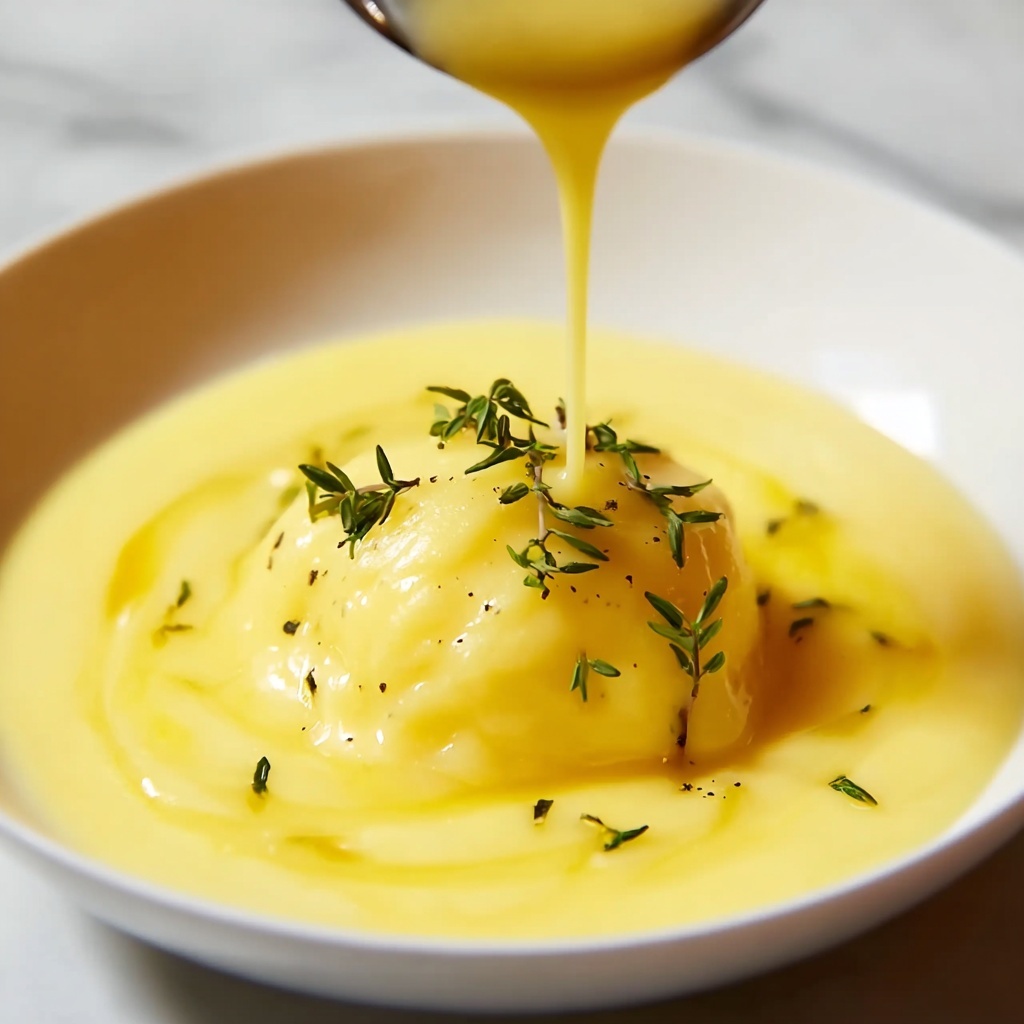
There is just something magical about a silky, rich Hollandaise Sauce Recipe that elevates even the simplest dishes to extraordinary levels of deliciousness. This classic French sauce, with its creamy texture and bright hint of lemon, has been a beloved accompaniment for brunch favorites like eggs Benedict, as well as steamed vegetables and grilled fish. Making this golden sauce at home is surprisingly simple, and once you master the technique, you’ll wonder how you ever lived without it. Let me share my favorite Hollandaise Sauce Recipe that will soon become your go-to for adding a touch of indulgence and elegance to your meals.
Ingredients You’ll Need
Each ingredient in this Hollandaise Sauce Recipe plays a crucial role in creating that perfect balance of creaminess, tang, and subtle spice. With just a handful of fresh, simple ingredients, you can whip up a sauce that tastes like it’s come straight from a French kitchen.
- 3 large egg yolks: The rich base that gives the sauce its velvety texture and golden color.
- 1 tablespoon fresh lemon juice: Adds brightness and cuts through the richness with a fresh, citrusy punch.
- 1/2 cup unsalted butter, melted and warm: The key to richness and smoothmouthfeel; unsalted allows you to control the seasoning.
- 1 tablespoon warm water: Helps adjust the sauce consistency perfectly.
- 1/4 teaspoon salt: Enhances all the flavors, making every bite sing.
- 1/8 teaspoon cayenne pepper or a pinch of white pepper: Introduces a subtle kick to keep the sauce interesting without overpowering it.
How to Make Hollandaise Sauce Recipe
Step 1: Prepare Your Double Boiler Setup
Fill a small saucepan with a few inches of water and bring it to a gentle simmer. You want the water to be hot but not boiling vigorously. This gentle heat is essential for cooking the egg yolks slowly and preventing them from scrambling while you whisk your sauce together.
Step 2: Whisk Egg Yolks and Lemon Juice
In a heatproof bowl, combine the 3 large egg yolks and 1 tablespoon of fresh lemon juice. Whisk them vigorously until the mixture lightens in color and thickens slightly. This step builds a fluffy base which will help the sauce embrace the butter beautifully.
Step 3: Cook Over Simmering Water While Whisking
Set the bowl carefully over your saucepan so it sits above the simmering water without touching it. Now, whisk constantly — patience is key here! Slowly drizzle in the warm melted butter a little at a time, allowing the sauce to emulsify and thicken. This gradual incorporation ensures your Hollandaise Sauce Recipe turns out perfectly smooth and creamy.
Step 4: Final Seasoning and Adjusting
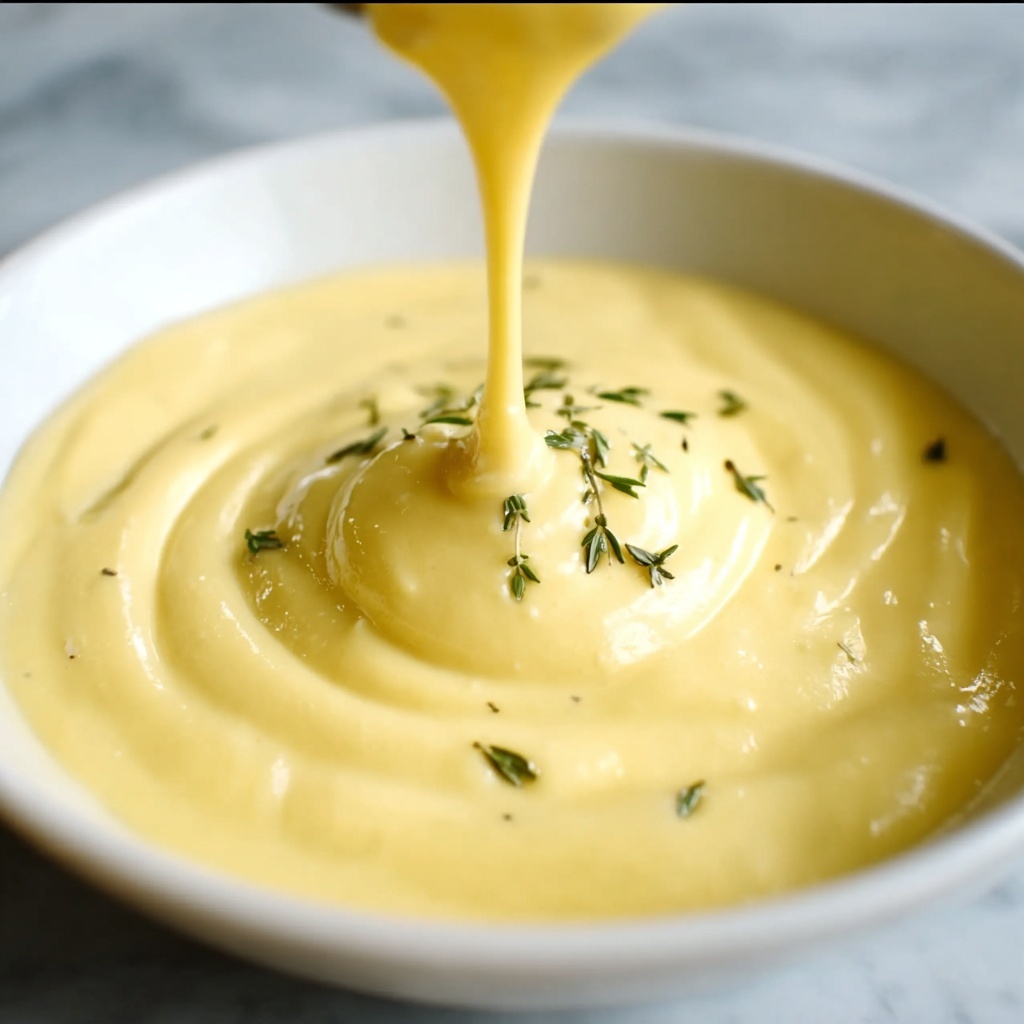
Once your sauce has thickened to your liking, remove it from the heat. Whisk in the 1 tablespoon of warm water along with the salt and cayenne or white pepper. These finishers balance the flavors and texture, making the sauce irresistibly luscious. If the sauce feels too thick, add a teaspoon of warm water to loosen it up; if it looks separated, whisk vigorously with a teaspoon of hot water to bring it back together.
How to Serve Hollandaise Sauce Recipe
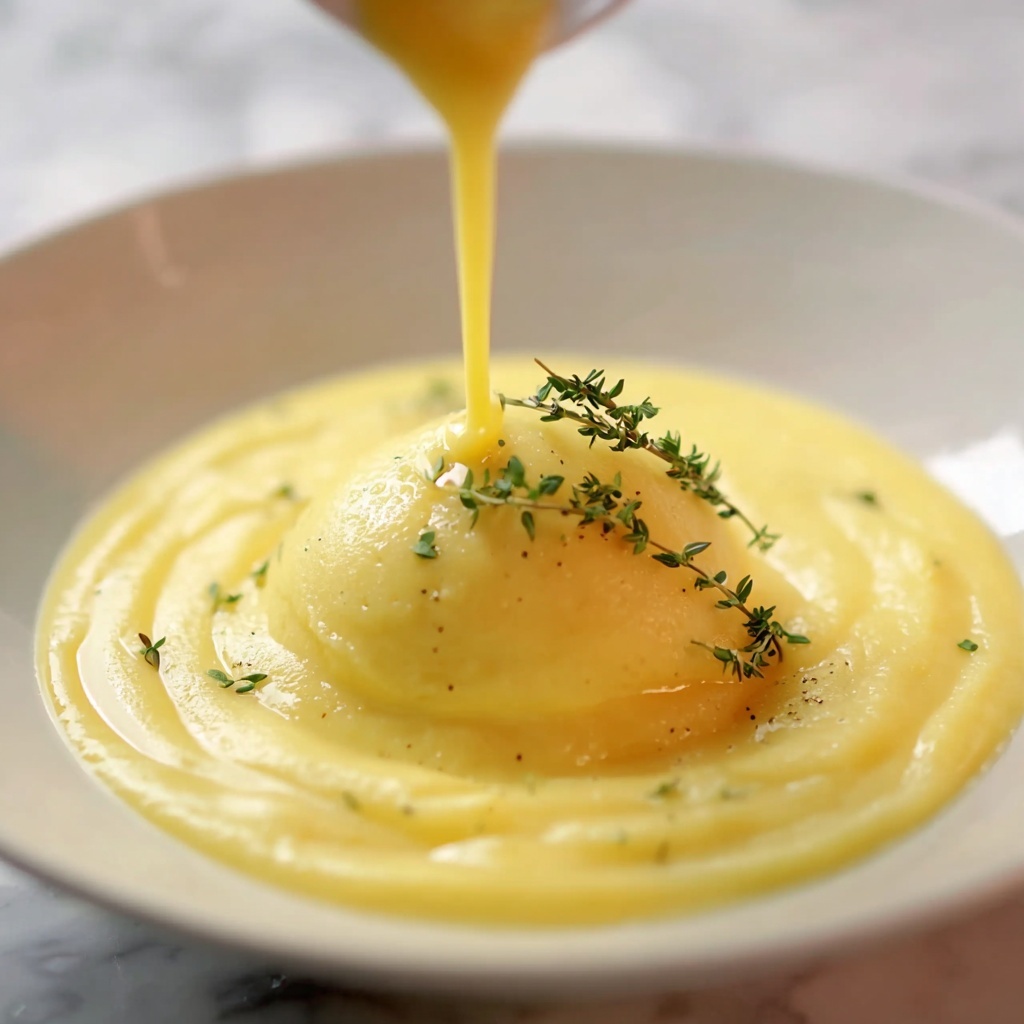
Garnishes
While the Hollandaise Sauce Recipe shines on its own, a sprinkle of freshly chopped chives or a tiny pinch of paprika can add a beautiful pop of color and freshness. These simple garnishes elevate the presentation and add a subtle layer of flavor that complements the sauce’s richness.
Side Dishes
This sauce pairs impeccably with classic brunch staples like eggs Benedict, but it’s equally wonderful draped over steamed asparagus, roasted baby potatoes, or grilled salmon. Vegetables get a luxurious upgrade when coated in Hollandaise, making even the humblest ingredients feel special.
Creative Ways to Present
Think beyond the plate by drizzling Hollandaise over savory tarts, roasted artichokes, or even using it as a dip for crispy finger foods. For brunch gatherings, serving it warm in a pretty sauceboat lets guests customize their dishes with ease. The creamy, glossy sauce attracts everyone’s eyes and appetites alike!
Make Ahead and Storage
Storing Leftovers
Since Hollandaise Sauce Recipe is best enjoyed fresh, leftovers should be refrigerated in an airtight container and consumed within 1 to 2 days. Keep in mind that the sauce may thicken as it chills, so some gentle reheating might be necessary before serving again.
Freezing
Freezing Hollandaise is not usually recommended because the delicate emulsion can break, affecting texture and flavor. For the freshest taste and smoothest consistency, it’s best to prepare the sauce fresh each time or just store small leftover amounts in the refrigerator.
Reheating
Gently reheat leftover sauce by placing it in a heatproof bowl over warm water (similar to the initial preparation). Stir continuously and add teaspoon-sized amounts of warm water to loosen it up if it becomes too thick or starts separating. Avoid microwaving as the sudden heat can cause the sauce to curdle.
FAQs
Can I make this Hollandaise Sauce Recipe without a double boiler?
Yes! If you don’t have a double boiler, simply use a heatproof bowl that fits snugly over the saucepan without touching the water. The gentle steam heat is what’s important to avoid scrambling the eggs.
What should I do if my Hollandaise Sauce breaks or separates?
If your sauce starts to break, whisk in a teaspoon of hot water vigorously to bring it back together. This usually re-emulsifies the sauce and restores its smooth texture.
Is there a substitute for lemon juice in this sauce?
Lemon juice is key for the classic tang in Hollandaise, but you can substitute white wine vinegar or a mild vinegar in small amounts if necessary, though it will alter the flavor slightly.
How long can I keep Hollandaise Sauce warm before serving?
Keep the sauce warm over very low heat for no longer than 30 minutes, stirring occasionally. Beyond that, it may begin to thicken too much or separate.
Can I add herbs or other flavors to this Hollandaise Sauce Recipe?
Absolutely! Fresh tarragon, dill, or a bit of mustard can be whisked in for variation, but be careful not to overpower the delicate balance of the original sauce.
Final Thoughts
Once you’ve tried this Hollandaise Sauce Recipe, you’ll see why it’s treasured by cooks and food lovers alike. Its luscious texture and bright flavor bring a little celebration to everyday meals, turning ordinary dishes into memorable experiences. I can’t wait for you to enjoy making this beautiful sauce in your own kitchen—you’ll wonder how you ever lived without it!
Print
Hollandaise Sauce Recipe
- Prep Time: 5 minutes
- Cook Time: 10 minutes
- Total Time: 15 minutes
- Yield: 4 servings
- Category: Sauce
- Method: Stovetop
- Cuisine: French
- Diet: Vegetarian
Description
Classic French Hollandaise Sauce is a rich, creamy butter sauce made from egg yolks, lemon juice, and warm melted butter. Perfectly smooth and velvety, it is a traditional accompaniment for eggs Benedict, steamed vegetables, and grilled fish, offering a tangy and buttery flavor that elevates any dish.
Ingredients
Ingredients
- 3 large egg yolks
- 1 tablespoon fresh lemon juice
- 1/2 cup unsalted butter, melted and warm
- 1 tablespoon warm water
- 1/4 teaspoon salt
- 1/8 teaspoon cayenne pepper or a pinch of white pepper
Instructions
- Prepare the Double Boiler: Fill a small saucepan with a few inches of water and bring it to a gentle simmer. Ensure the water does not touch the bottom of the bowl to be used.
- Whisk Egg Yolks and Lemon Juice: In a heatproof bowl, combine the egg yolks and lemon juice. Whisk continuously until the mixture thickens slightly and turns pale in color.
- Cook over Simmering Water: Place the bowl over the simmering water, making sure the bowl’s bottom does not touch the water. Whisk constantly to keep the eggs from scrambling.
- Incorporate Butter Slowly: Slowly drizzle the warm melted butter into the egg mixture while whisking constantly. Continue whisking until the sauce thickens and achieves a smooth, creamy texture.
- Finish the Sauce: Remove the bowl from the heat. Whisk in the warm water, salt, and cayenne or white pepper to season. Stir well to combine.
- Serve or Keep Warm: Serve immediately for best texture. Alternatively, keep warm over very low heat for a short time, stirring occasionally to maintain consistency.
Notes
- If the sauce becomes too thick, whisk in a teaspoon of warm water at a time until the desired consistency is reached.
- If the sauce separates, vigorously whisk in a teaspoon of hot water to bring it back together.
- Serve over eggs Benedict, steamed vegetables, or grilled fish for a classic accompaniment.