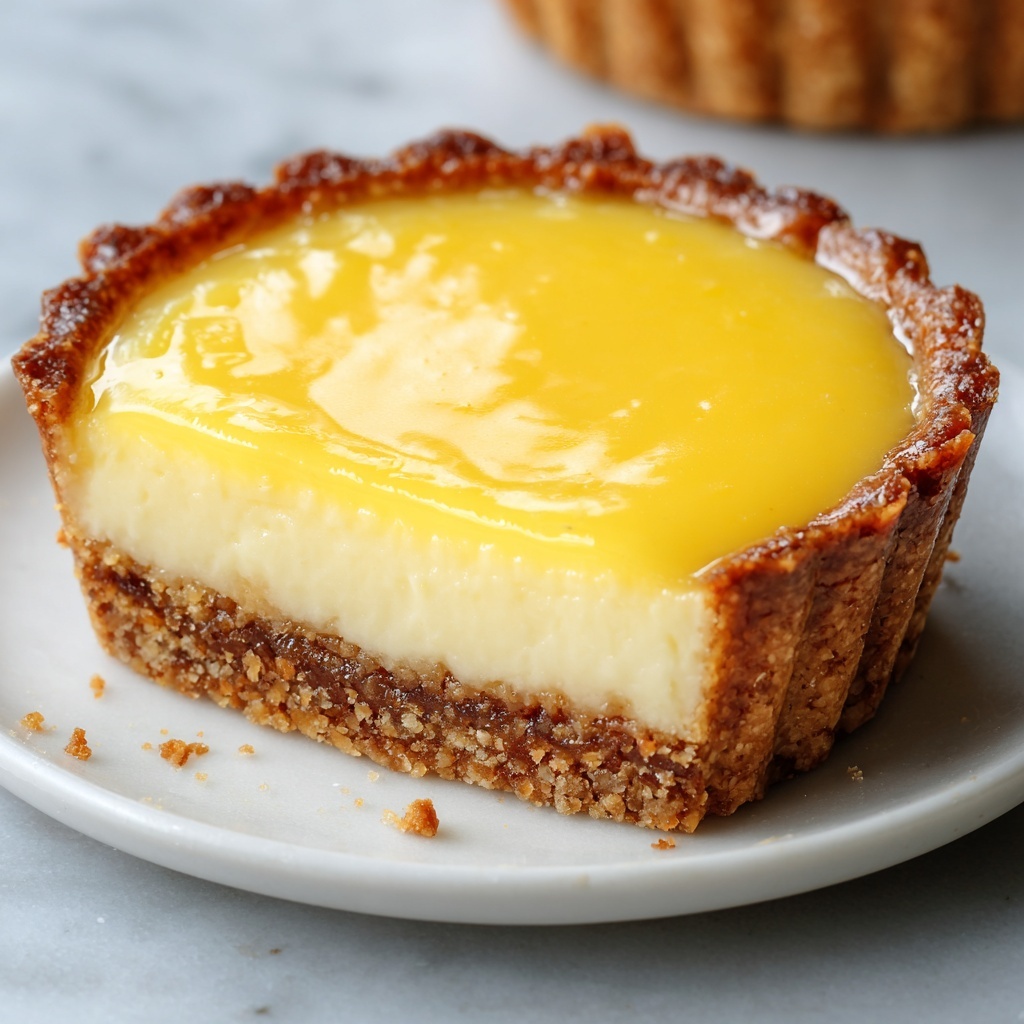
There is something irresistibly comforting about a silky, smooth custard that melts in your mouth, and this Fail-Proof Egg Custard Recipe brings exactly that joy to your table every single time. With its creamy texture and delicate vanilla aroma, this classic dessert is simple yet sophisticated—perfect for impressing guests or treating yourself on any day of the week. The best part? Its straightforward process and few humble ingredients make it nearly impossible to mess up, making this recipe a must-know staple for both kitchen novices and seasoned cooks alike.
Ingredients You’ll Need
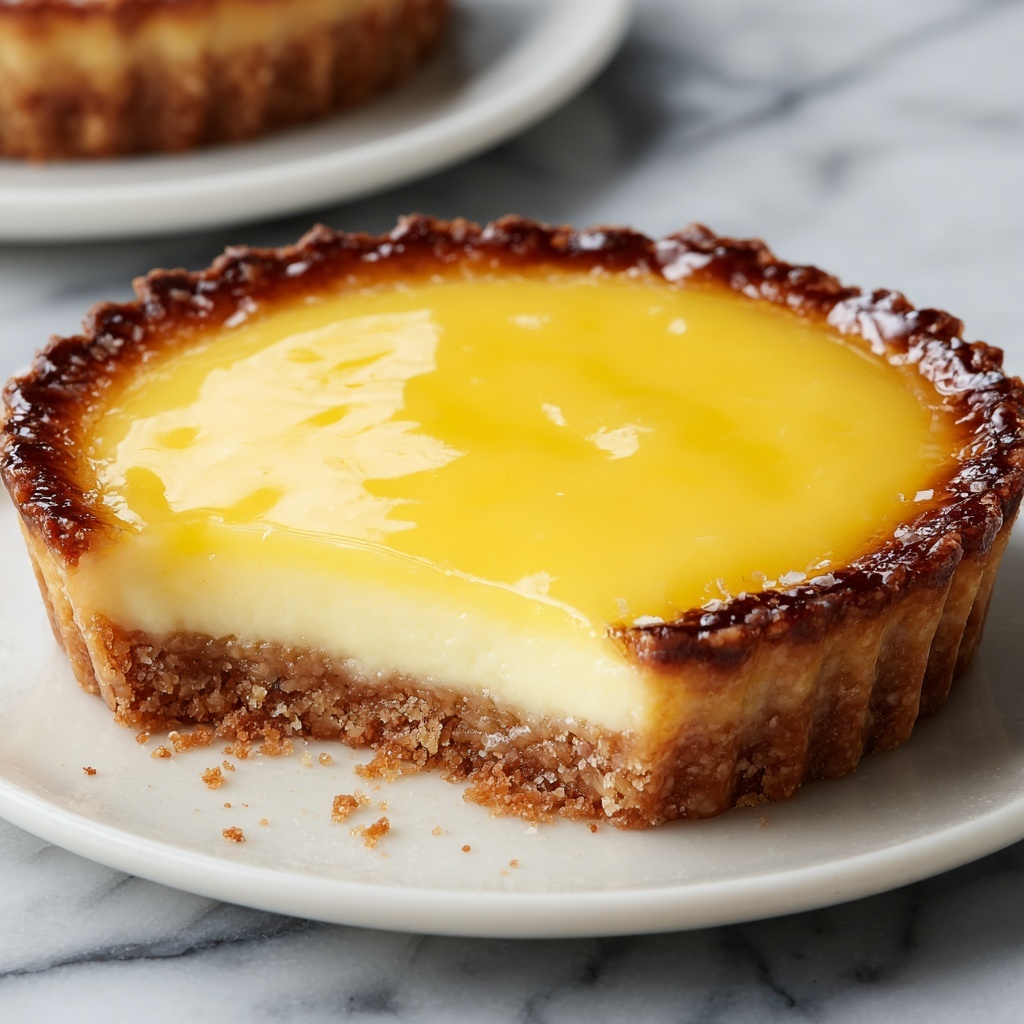
The magic of this Fail-Proof Egg Custard Recipe lies in its simplicity—each ingredient playing a pivotal role in achieving that luscious, creamy custard. Using fresh, quality ingredients ensures the best flavor and texture, transforming this humble dish into a true delight.
- 4 large eggs: The foundation providing structure and smoothness to the custard.
- 1/2 cup granulated sugar: Adds just the right amount of sweetness without overpowering the delicate flavors.
- 2 cups whole milk: Gives the custard its creamy richness and smooth mouthfeel.
- 1 teaspoon vanilla extract: Infuses the custard with that classic warm, sweet aroma.
- Pinch of salt: Balances the sweetness and enhances all the other flavors.
How to Make Fail-Proof Egg Custard Recipe
Step 1: Preheat and Prepare
Begin by preheating your oven to 325°F (165°C). Having the oven at just the right temperature is crucial—it ensures the custard cooks gently and evenly without curdling or cracking.
Step 2: Whisk the Eggs and Sugar
In a medium mixing bowl, whisk the 4 large eggs with the granulated sugar, vanilla extract, and a pinch of salt until smooth and homogenous. This step is about blending flavors while incorporating just enough air for a light texture—no lumps here!
Step 3: Warm the Milk
Pour the whole milk into a small saucepan and warm it over medium heat. The key is to heat it just until warm—not boiling—to coax out the milk’s subtle sweetness without risking any scorch marks.
Step 4: Combine Milk and Egg Mixture
Slowly pour the warm milk into the egg mixture, whisking constantly as you do. This gentle process prevents the eggs from scrambling and helps the custard develop its signature velvety consistency.
Step 5: Prepare for Baking
Grease a 9-inch pie dish or individual custard cups and pour in your custard mixture. Then, set the dish inside a larger baking pan, carefully adding hot water until it reaches halfway up the sides. This water bath cooks your custard gently and evenly—crucial for that fail-proof success.
Step 6: Bake Until Set
Bake for 40 to 45 minutes. When done, the custard should be set with a slight jiggle in the center. A clean knife inserted gently should come out spotless—if it’s wet or custardy, give it a few more minutes.
Step 7: Cool and Chill
Remove the custard from the water bath and let it cool to room temperature. Then, refrigerate for at least 2 hours. This chilling period lets the custard set fully and intensifies the flavors.
How to Serve Fail-Proof Egg Custard Recipe
Garnishes
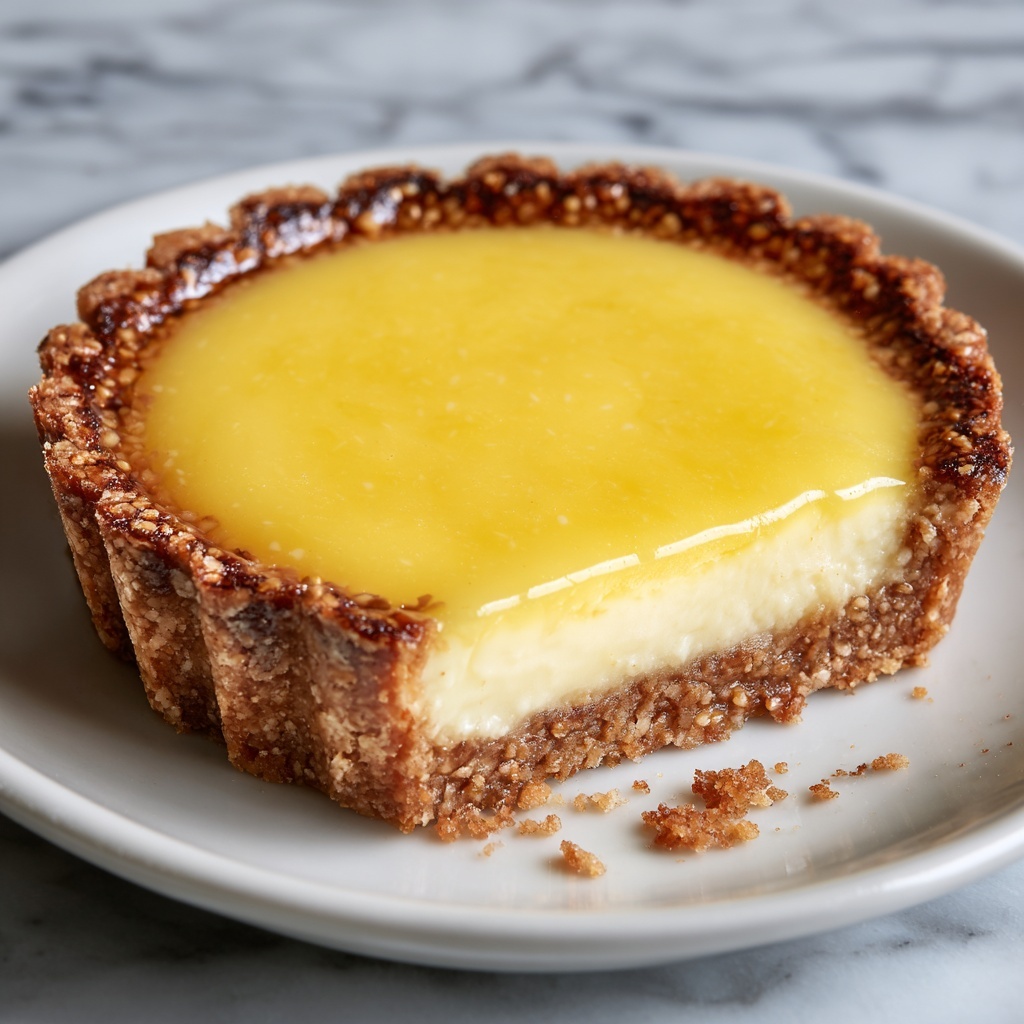
To enhance your Fail-Proof Egg Custard Recipe, consider simple garnishes that complement the creamy base—fresh berries add bright acidity, a sprinkle of cinnamon or nutmeg lends warmth, or a few mint leaves provide a splash of color and freshness. These options elevate the dish while keeping the focus on the custard itself.
Side Dishes
This custard pairs beautifully with light, fruity side dishes. Think crisp apple slices, stewed berries, or a citrus salad. These bring a refreshing contrast to the custard’s richness and create a balanced dessert experience.
Creative Ways to Present
For a fun twist, serve your custard in ramekins topped with caramelized sugar for an impromptu crème brûlée feel. Alternatively, layer custard with crushed cookies or toasted nuts for added texture. Serving in small, elegant glasses with a dusting of cocoa powder can also turn this traditional treat into a chic dessert centerpiece.
Make Ahead and Storage
Storing Leftovers
Any leftover custard should be covered tightly with plastic wrap or stored in an airtight container in the refrigerator. It keeps well for up to 3 days, making it a great make-ahead dessert for busy evenings.
Freezing
Freezing egg custard is not recommended as the texture may become grainy upon thawing. For best enjoyment, it’s better to prepare fresh or enjoy refrigerated.
Reheating
If you prefer a warm custard, gently reheat portions in a low-heat oven or microwave in short bursts, stirring frequently to maintain smoothness. Avoid overheating, which can cause curdling and ruin the lovely texture you’ve worked for.
FAQs
Can I use low-fat milk instead of whole milk?
Using low-fat milk will result in a less creamy custard. Whole milk provides the richness necessary for the perfect custard texture, but if you prefer something lighter, you can substitute with 2% milk, keeping in mind the slight difference in texture.
What causes custard to curdle while baking?
Custard curdling usually happens due to high heat or when hot milk is added too quickly to eggs. That’s why warming milk gently and gradually combining it with the egg mixture is essential to avoid scrambling the eggs.
Is it necessary to bake the custard in a water bath?
Yes, the water bath ensures gentle, even cooking by surrounding the custard with moist heat. This step prevents the edges from cooking too fast and helps achieve that creamy, custardy center.
How do I know when the custard is perfectly baked?
The custard should be mostly set but with a slight jiggle in the center. The insertion of a clean knife or toothpick should come out clean, indicating doneness without overbaking.
Can I add flavors other than vanilla?
Absolutely! While vanilla is classic, you can infuse your custard with cinnamon sticks, coffee, citrus zest, or even a splash of liqueur to customize the flavor to your liking.
Final Thoughts
Trust me when I say mastering this Fail-Proof Egg Custard Recipe will quickly make it one of your cherished go-to desserts. Its elegant simplicity paired with stunning results means you’ll reach for it whenever you want to dazzle with minimal fuss. So don’t hesitate—gather these ingredients and enjoy the creamy, dreamy delight that only a perfectly cooked custard can bring to your table!
Print
Fail-Proof Egg Custard Recipe
- Prep Time: 10 minutes
- Cook Time: 45 minutes
- Total Time: 55 minutes
- Yield: 6 servings
- Category: Dessert
- Method: Baking
- Cuisine: American
Description
This fail-proof egg custard recipe delivers a creamy, smooth dessert that’s easy to make and perfect for any occasion. With a silky texture and delicate vanilla flavor, this classic custard is baked gently in a water bath to achieve a perfectly set yet tender consistency.
Ingredients
Custard Ingredients
- 4 large eggs
- 1/2 cup granulated sugar
- 2 cups whole milk
- 1 teaspoon vanilla extract
- Pinch of salt
Instructions
- Preheat Oven: Preheat your oven to 325°F (165°C) to prepare for baking the custard.
- Mix Eggs and Sugar: In a medium mixing bowl, whisk together the eggs, sugar, vanilla extract, and a pinch of salt until the mixture is smooth and well combined for a uniform custard base.
- Warm Milk: Heat the milk in a small saucepan over medium heat until it is warm but not boiling, stirring occasionally to prevent it from scorching which ensures a smooth texture.
- Combine Mixtures: Slowly pour the warm milk into the egg mixture, whisking constantly to temper the eggs and prevent curdling, creating a smooth custard liquid.
- Prepare Baking Dish: Pour the custard mixture into a greased 9-inch pie dish or individual custard cups for portioning.
- Set Up Water Bath: Place the custard dish in a larger baking pan and fill the pan with hot water halfway up the sides of the custard dish to provide gentle, even heat during baking.
- Bake Custard: Bake for 40-45 minutes until the custard is set but still slightly jiggly in the center. Test doneness by inserting a knife; it should come out clean when ready.
- Cool and Chill: Let the custard cool to room temperature, then refrigerate for at least 2 hours to fully set and develop flavor.
- Serve: Serve the custard chilled for a refreshing and creamy dessert experience.
Notes
- Using a water bath helps prevent the custard from cracking and ensures even cooking by distributing heat gently.
- Make sure the milk is warm, not hot, when adding to the eggs to avoid scrambling.
- Do not overbake; the custard should still have a slight jiggle when done to maintain creaminess.
- You can substitute whole milk with half-and-half or cream for a richer custard.
- Vanilla extract can be replaced with vanilla bean seeds for a more intense vanilla flavor.