Easy Homemade Dinner Rolls
An easy dinner rolls recipe for soft, buttery homemade rolls: a milk-and-butter dough with instant yeast, two rises and one 9x13 pan. Fifteen pull-apart rolls in about three hours.
- Prep
- 25 min
- Cook
- 22 min
- Rest
- 2 hr
- Makes
- Makes 15 rolls
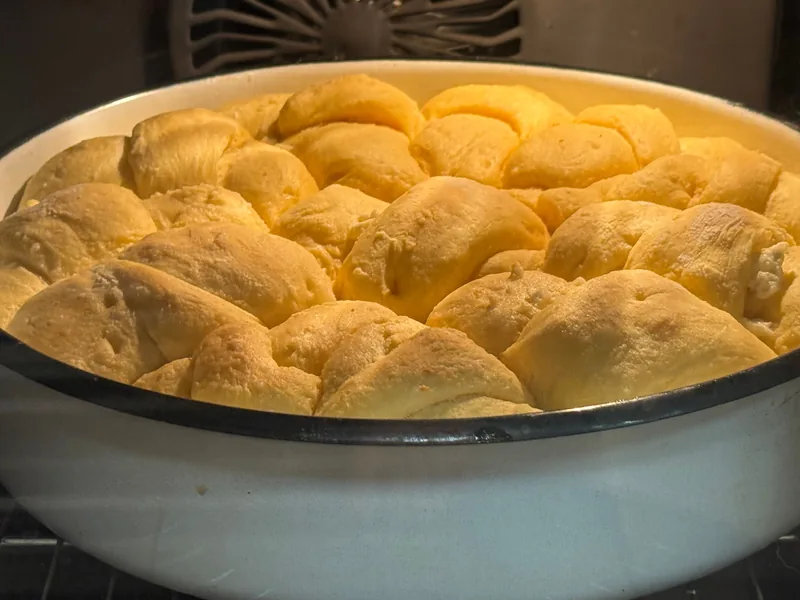
These are the soft, pull-apart rolls that sit in a basket next to the turkey or a pot of soup: golden on top, white and feathery inside, and rich enough to eat without butter, though nobody does. The dough is made with milk, butter, an egg and a little sugar. Bakers call that an enriched dough, and each of those four ingredients is there for a reason.
Fat from the milk, butter and egg yolk coats the strands of gluten as the dough is kneaded, so they stay short and tender instead of long and chewy. That is the difference between a dinner roll and a baguette. The sugar feeds the yeast, browns the tops, and holds on to moisture so the rolls are still soft the next day. The egg adds structure, so a dough this rich can still rise tall.
Use instant yeast. It goes straight in with the flour, without being proofed in water first, and it works a little faster than active dry. Warm the milk to about 110°F (43°C), warm to the touch but not hot. Much hotter and it starts to kill the yeast; cold milk works, but the first rise can take twice as long.
All-purpose flour gives the softest rolls. Bread flour has more protein and makes a chewier, taller roll, which some people prefer. Either works here without changing anything else. Start with three and a half cups and add the rest only if the dough is still sticking to the bowl after a few minutes of kneading. A slightly tacky dough bakes up softer than a stiff one, so resist the urge to add flour until it feels dry.
Knead until the dough is smooth and springs back when you poke it, about eight minutes in a stand mixer or ten by hand. That is when the gluten is strong enough to trap the gas the yeast makes. Under-kneaded dough rises, then sinks, and bakes into dense rolls.
There are two rises. The first, in a bowl, builds flavor and lets the dough double. Then you shape fifteen balls and let them rise again in the pan, where they puff until they touch. Because the rolls are crowded together in a 9x13-inch pan, they rise up instead of out and bake with soft, tearable sides. Shape each ball by pulling the dough tight underneath it; a taut surface is what makes them round and high.
Bake until the tops are deep golden and the center roll reads 190°F (88°C) on an instant-read thermometer. Brush them with melted butter as soon as they come out. The butter soaks in while they are hot and keeps the crust soft.
Serve them with a creamy chicken tetrazzini or any stew that needs mopping up. Leftover rolls go stale the way challah does, and a pan of day-old rolls, split in half, can stand in for the bread in our crème brûlée french toast.
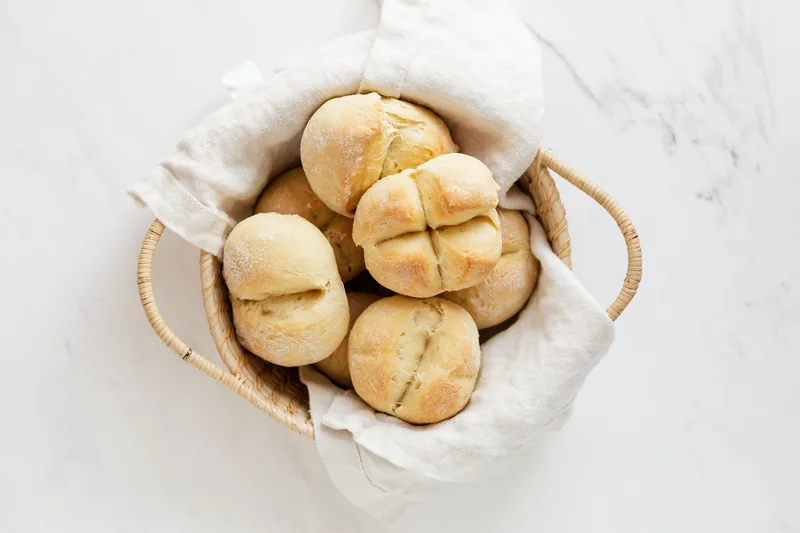
Homemade dinner rolls at a glance
- Total time
- 2 hr 47 min
- Yield
- Makes 15 rolls
Milk, butter, egg and instant yeast
Dough
- 1 cup (240 ml) whole milk
- ¼ cup (½ stick, 57 g) unsalted butter, cut into pieces
- 3½–4 cups (440–500 g) all-purpose flour, plus more for the counter
- ¼ cup (50 g) granulated sugar
- 2¼ tsp (1 packet, 7 g) instant yeast
- 1¼ tsp fine salt
- 1 large egg, at room temperature
To finish
- 2 tbsp (28 g) unsalted butter, melted
- Flaky salt, for sprinkling (optional)
Knead, rise, shape, rise again and bake
- 1 Warm the milk and the ¼ cup butter in a small saucepan or the microwave until the butter has mostly melted. Let it cool to about 110°F (43°C), warm to the touch but not hot.
- 2 In the bowl of a stand mixer, whisk 3½ cups of the flour with the sugar, yeast and salt. Add the warm milk mixture and the egg and mix on low with the dough hook until a shaggy dough forms.
- 3 Knead on medium-low for about 8 minutes (or 10 minutes by hand on a lightly floured counter), until the dough is smooth, slightly tacky and springs back when poked. Add more flour 1 tablespoon at a time only if it is still sticking to the sides of the bowl.
- 4 Shape the dough into a ball, put it in a lightly greased bowl and cover. Let it rise in a warm spot until doubled, 1 to 1½ hours.
- 5 Grease a 9 x 13-inch (23 x 33 cm) baking pan. Turn the dough out, press out the air and divide it into 15 equal pieces, about 2 oz (55 g) each.
- 6 Shape each piece into a ball by pulling the dough down and pinching it together underneath, then rolling it under a cupped hand until the top is smooth and tight. Arrange in the pan in 3 rows of 5.
- 7 Cover and let rise until puffy and touching, 30–45 minutes. Heat the oven to 375°F (190°C) while they rise.
- 8 Bake 20–22 minutes, until the tops are deep golden and the center roll reads 190°F (88°C). Brush with the melted butter right away, sprinkle with flaky salt if you like, and cool 10 minutes in the pan before serving.
Yeast swaps, making ahead and freezing
- Active dry yeast works too. Stir it into the warm milk with a pinch of the sugar, wait 5–10 minutes until foamy, then continue. The first rise may take 15–30 minutes longer.
- To make ahead, shape the rolls, cover the pan and refrigerate up to 18 hours. Let them sit at room temperature for about 1 hour, until puffy, then bake as written.
- A kitchen scale makes the rolls even. Weigh the whole dough, divide by 15, and weigh each piece so they all bake in the same time.
- Store cooled rolls in a zipper bag at room temperature for up to 3 days. Rewarm them wrapped in foil at 300°F (150°C) for 10 minutes.
- Freeze baked, cooled rolls for up to 3 months. Thaw in the bag at room temperature, then rewarm in foil.
Dense rolls, doneness and pan sizes
Usually too much flour, too little kneading, or a rise cut short. The dough should stay slightly tacky, spring back when poked, and double in the first rise before you shape it.
Yes. Stir the dough together with a wooden spoon, then knead it by hand on a lightly floured counter for about 10 minutes, until smooth and elastic.
The tops should be deep golden, and an instant-read thermometer pushed into the center roll should read 190°F (88°C). Pale rolls are often still doughy in the middle.
Yes. Bread flour makes slightly taller, chewier rolls. You may need a tablespoon or two less, since it absorbs a little more liquid.
Yes. Divide the balls between two 9-inch (23 cm) round cake pans. They will bake in about the same time, so start checking at 18 minutes.
Something to serve the rolls with
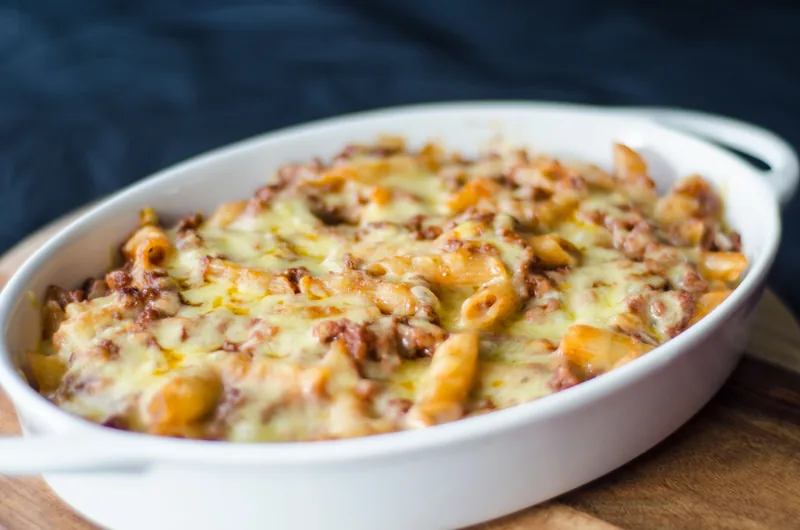
Easy Chicken Tetrazzini
An easy chicken tetrazzini recipe: spaghetti, chicken and mushrooms in a creamy homemade sauce, baked under a crisp parmesan top. No canned soup.
- Total time
- 1 hr 15 min
- Yield
- Serves 6–8
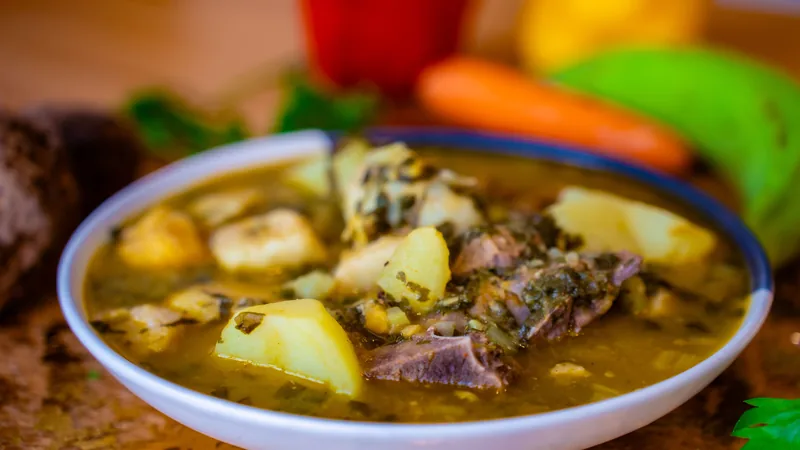
Beef Vegetable Soup
A hearty, old-fashioned vegetable beef soup: chuck browned hard and simmered until tender in a tomato-beef broth, with the vegetables added in stages so none of them turn to mush.
- Total time
- 2 hr 25 min
- Yield
- Serves 8
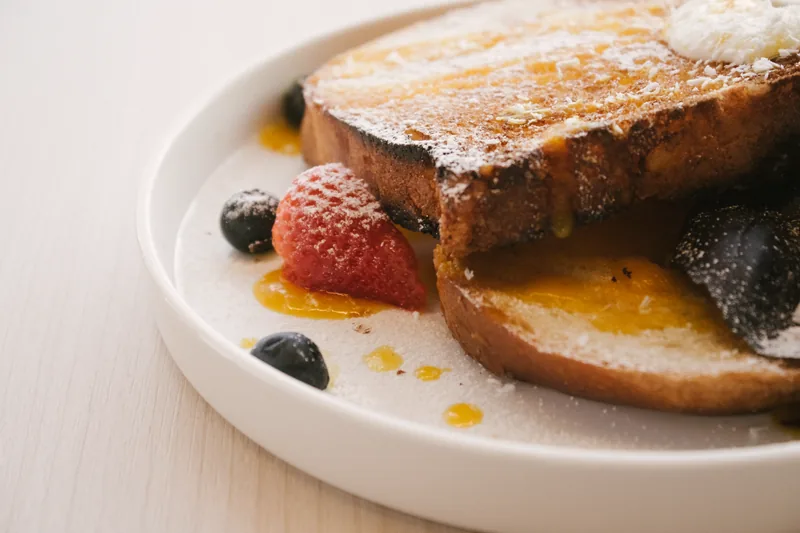
Crème Brûlée French Toast with Salted Caramel
Thick slices of challah soaked overnight in vanilla custard over a salted brown-sugar caramel, baked in the morning and finished with a crackly burnt-sugar top. Assemble it the night before.
- Total time
- 9 hr
- Yield
- Serves 6