Balsamic Chicken and Peppers
Boneless chicken thighs seared hard, then simmered with bell peppers, onion and garlic in a balsamic and honey glaze that is added late so it reduces instead of burning. One skillet, 35 minutes.
- Prep
- 15 min
- Cook
- 25 min
- Makes
- Serves 4
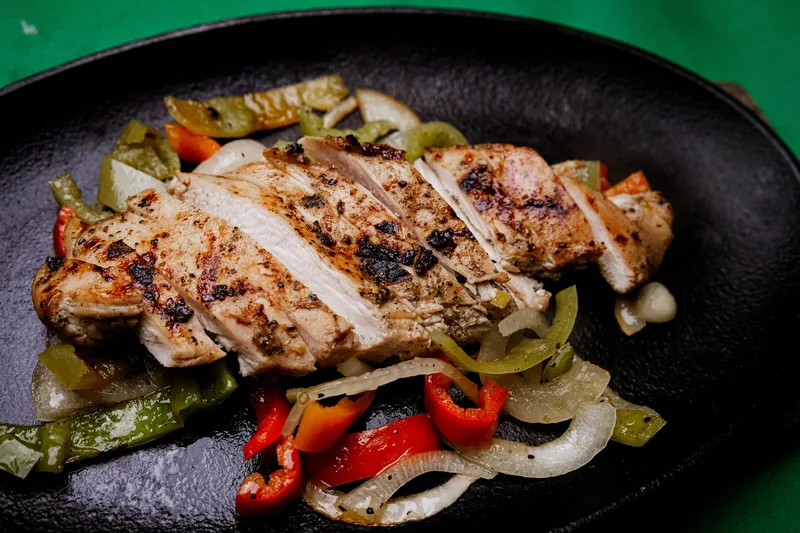
Balsamic vinegar is sugar and acid, and both behave badly in a hot pan if they arrive too early. Pour it in with raw chicken and the sugars scorch on the bottom of the skillet long before the meat is cooked, leaving a bitter, burnt edge on everything. Simmer it for twenty minutes and the acid fades while the sugar goes dark and tarry. The fix is to keep the vinegar out until the end. Sear the chicken, soften the vegetables, then add the balsamic with a little broth and honey and let it reduce for a few minutes into a glaze that coats everything.
Use thighs. Breast meat is lean and turns dry and stringy in the time it takes the sauce to reduce. Boneless, skinless thighs have enough fat and connective tissue to stay juicy, and they taste better with something as strong as balsamic. Thighs are also at their best cooked further than breasts, to about 175°F (80°C), where the connective tissue softens and the meat goes tender rather than chewy.
The sear matters more than the seasoning. Pat the thighs dry, season them with salt, pepper and a little dried oregano, and lay them in a hot skillet without moving them for five minutes. The browned crust that forms is most of the flavor in the finished dish. Crowding the pan steams them instead, so cook in two batches if your skillet is smaller than twelve inches.
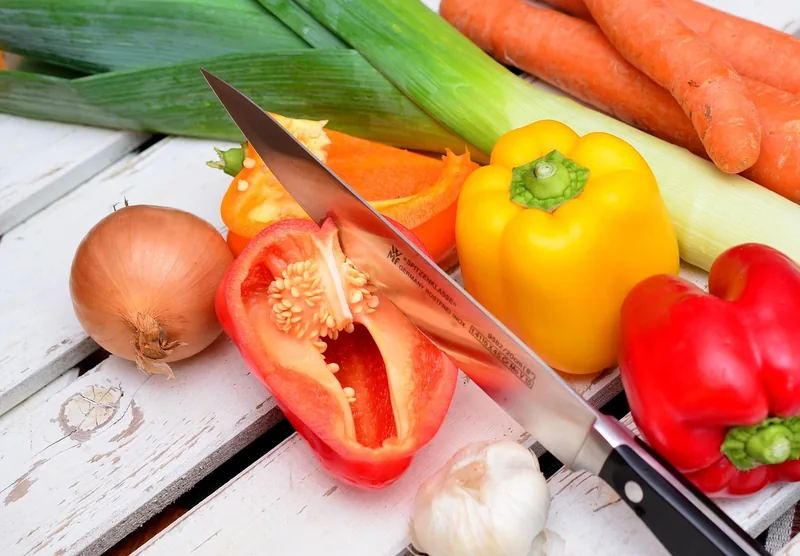
The peppers should still have some bite. Cut them in wide strips, about half an inch, and cook them over medium-high heat in the fat the chicken left behind until they are blistered at the edges but not limp. Red and yellow peppers are sweeter and soften faster than green, which adds a pleasant bitterness. Use a mix. Add the onion with them and the garlic only for the last minute, so it smells sweet and does not burn.
Then the glaze: balsamic, chicken broth, honey and a teaspoon of Dijon, which helps the sauce cling. Scrape up the browned bits as it bubbles, return the chicken and its juices, and simmer until the sauce is thick enough to coat a spoon and the thighs are cooked through.
An inexpensive balsamic works here, since reducing it concentrates it. Save an aged one for drizzling raw.
Serve it over rice, polenta or mashed potatoes to catch the sauce, or alongside a cold vegetable pasta salad in warm weather. If you would rather have a creamy pan sauce than a sharp one, creamy garlic chicken is made the same way.
Balsamic chicken and peppers at a glance
- Total time
- 40 min
- Yield
- Serves 4
Thighs, peppers and a balsamic glaze
Chicken
- 1½ lb (680 g) boneless, skinless chicken thighs (about 6)
- 1 tsp kosher salt
- ½ tsp black pepper
- 1 tsp dried oregano
- 2 tbsp olive oil
Peppers and onions
- 3 bell peppers, preferably red, yellow and green, cut in ½-inch (1 cm) strips
- 1 medium red onion, halved and sliced ¼ inch (6 mm) thick
- 4 garlic cloves, thinly sliced
- Pinch of kosher salt
Balsamic glaze
- ⅓ cup (80 ml) balsamic vinegar
- ⅓ cup (80 ml) low-sodium chicken broth
- 1 tbsp honey
- 1 tsp Dijon mustard
- Chopped fresh basil or parsley, to finish
Sear hard, blister the peppers, glaze at the end
- 1 Pat the chicken thighs dry with paper towels. Mix the salt, pepper and oregano and season both sides of the thighs.
- 2 Heat the olive oil in a 12-inch (30 cm) skillet over medium-high heat until it shimmers. Lay in the thighs, smooth side down, and cook without moving them for 5 minutes, until deeply browned. Turn and brown the other side 3 minutes. Transfer to a plate; they will not be cooked through yet.
- 3 Add the peppers, onion and a pinch of salt to the skillet. Cook, stirring occasionally, 5–6 minutes, until the peppers are blistered at the edges but still have some bite.
- 4 Add the garlic and cook 1 minute, until fragrant.
- 5 Whisk the balsamic vinegar, broth, honey and Dijon together and pour into the skillet. Scrape up the browned bits from the bottom and bring to a simmer.
- 6 Return the chicken and any juices to the pan, nestling the thighs into the peppers. Simmer 6–8 minutes, turning the chicken once, until the sauce is thick enough to coat a spoon and the thighs read 175°F (80°C) inside.
- 7 Spoon the glaze over the chicken, scatter with basil or parsley and serve.
Breasts, sheet pans and leftovers
- Chicken breasts work if you prefer them: halve them horizontally so they are an even ½ inch (1 cm) thick, and simmer only until they reach 165°F (74°C), 3–4 minutes.
- If the glaze gets too thick before the chicken is done, add broth a tablespoon at a time.
- Leftovers keep 3 days refrigerated. Reheat gently with a splash of water so the glaze loosens without burning.
- Sheet-pan version: toss the peppers and onion with oil, roast at 425°F (220°C) for 10 minutes, add the seasoned thighs and roast 18–20 minutes more, then pour over the glaze, simmered separately in a small pan for 4 minutes.
- A pinch of red pepper flakes with the garlic gives it gentle heat.
Burnt glaze, breast meat and what to serve
It went in too early or the pan was too hot. Balsamic is full of sugar, which scorches quickly. Add it only after the vegetables are cooked, and keep it at a lively simmer, not a hard boil.
Yes, but they dry out faster. Slice them into even cutlets, sear them briefly, and return them to the sauce only for the last 3–4 minutes, until they reach 165°F (74°C).
No. An everyday supermarket balsamic is right for cooking, because reducing it concentrates the flavor. Keep aged balsamic for drizzling over the finished dish.
Something that soaks up the glaze: rice, creamy polenta, mashed potatoes or crusty bread. A green salad or a cold pasta salad balances the sharpness.
Yes. It keeps 3 days in the refrigerator and the flavor improves overnight. The peppers soften as it sits, so undercook them slightly if you are making it ahead.
On the side
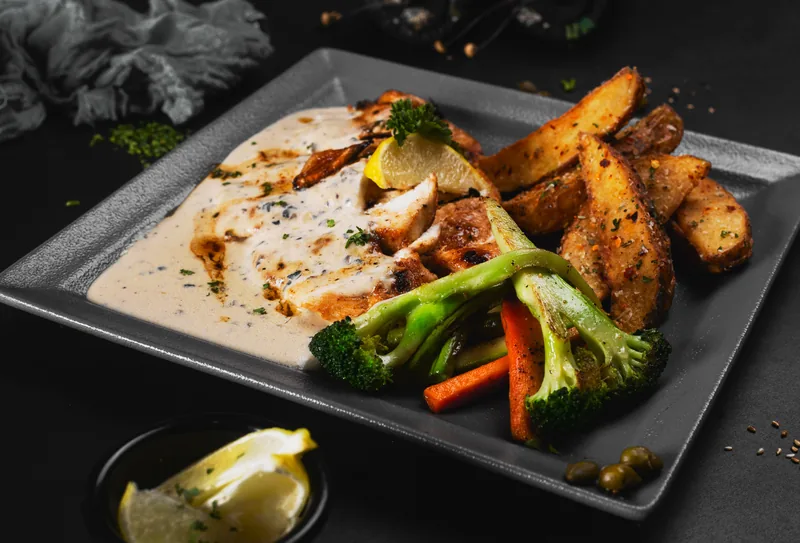
Creamy Garlic Chicken
Thin chicken cutlets seared golden, then simmered briefly in a garlic, Parmesan and cream pan sauce built on the browned bits in the skillet. One pan, thirty minutes.
- Total time
- 30 min
- Yield
- Serves 4
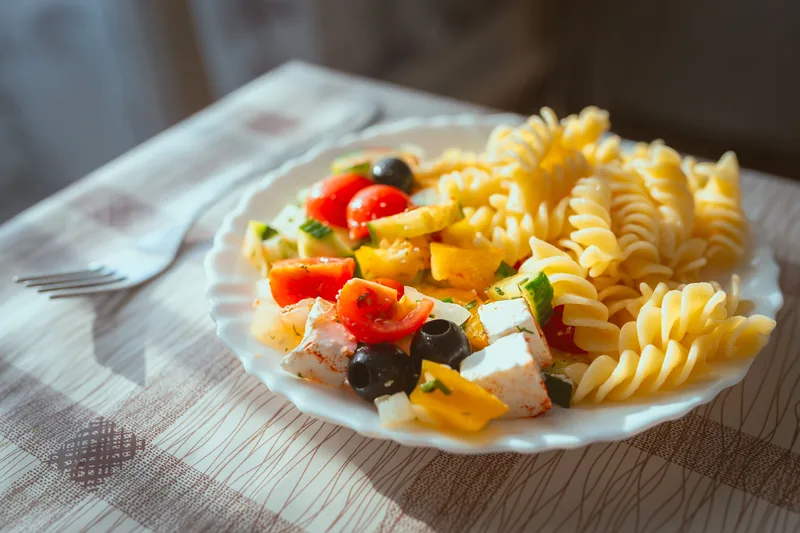
Vegetable Pasta Salad with Cherry Tomatoes and Cucumber
Rotini, cherry tomatoes, crisp baby cucumbers, bell pepper and red onion in a creamy red wine vinaigrette that stays emulsified, dressed twice so the pasta is seasoned and the salad never goes dry.
- Total time
- 1 hr
- Yield
- Serves 8 as a side
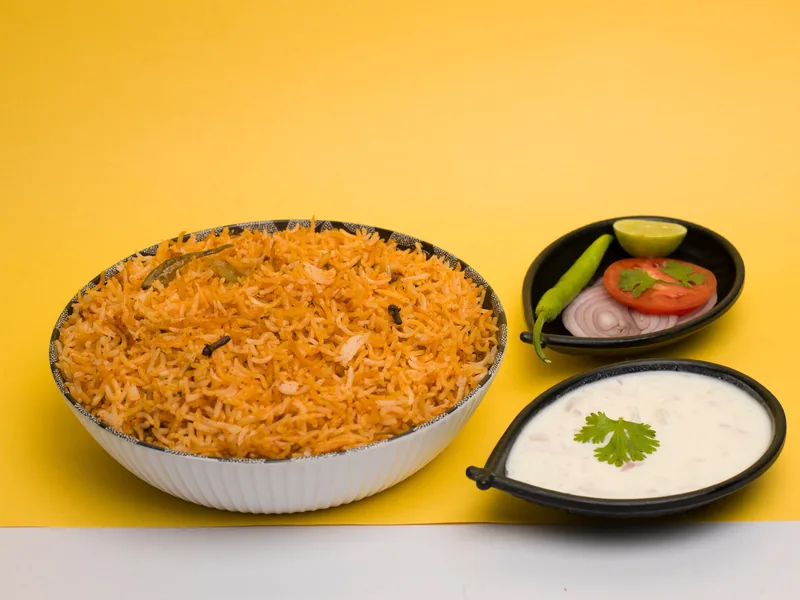
Mexican Rice
Restaurant-style Mexican rice with separate, fluffy grains: long-grain rice rinsed, toasted golden in oil, then simmered in a blended tomato, onion and garlic broth and left covered to steam.
- Total time
- 45 min
- Yield
- Serves 6