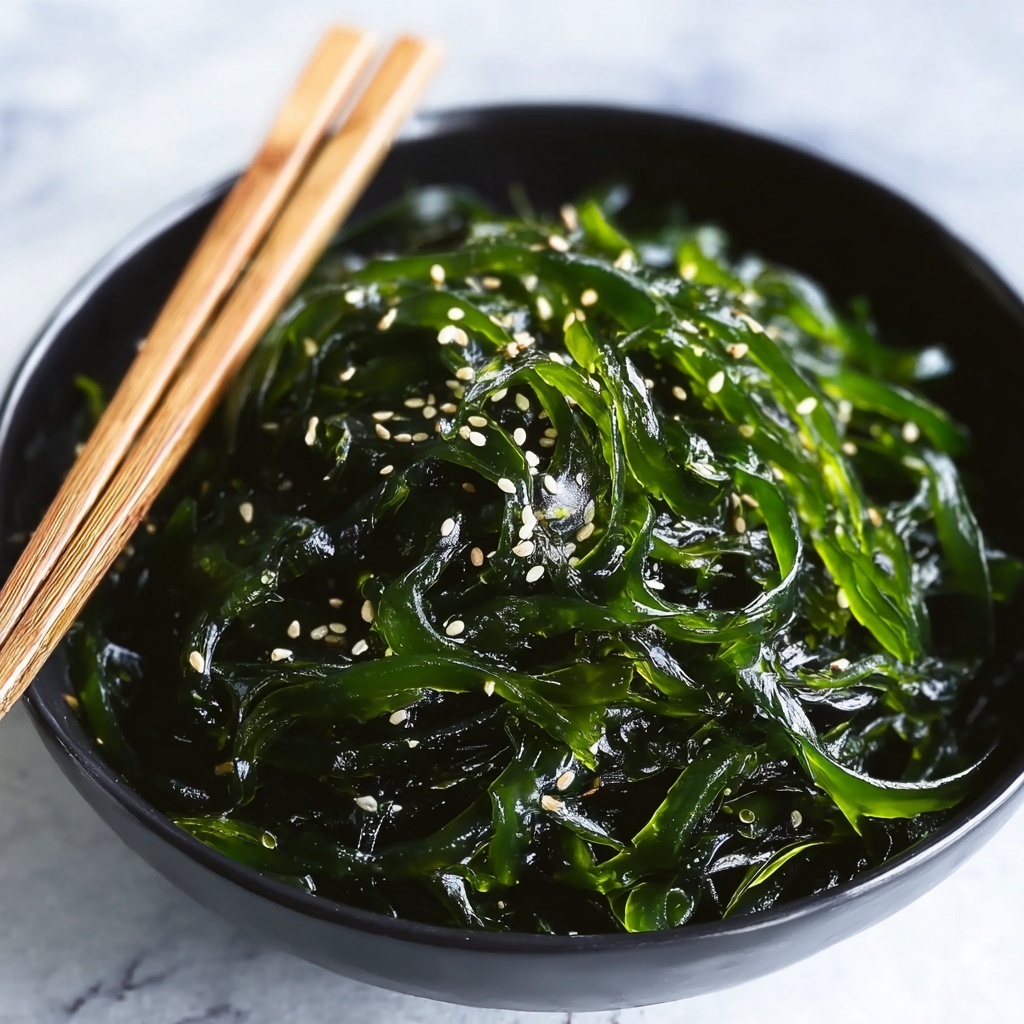
Discover the vibrant flavors and delightful textures of the Asian Seaweed Salad: A Fresh Twist on Tradition Recipe, a dish that brings a refreshing and nourishing element to any meal. This salad perfectly balances the briny crunch of sea vegetables with the warm, nutty notes of toasted sesame oil and the subtle sweetness of honey-infused dressing. Whether you’re craving a light lunch or a striking side dish, this recipe offers an easy yet sophisticated way to enjoy the ocean’s bounty with a modern flair.
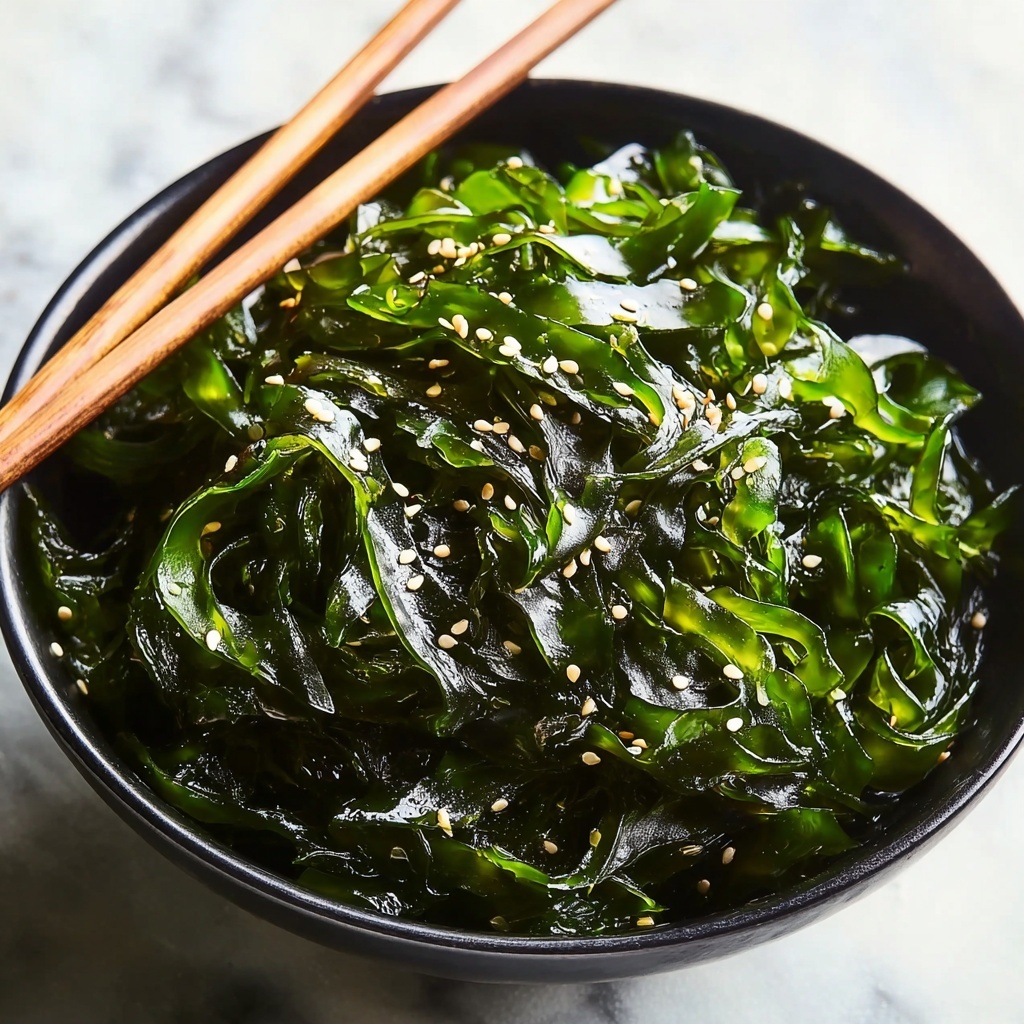
Ingredients You’ll Need
Gathering simple but essential ingredients is the first step toward creating this memorable seaweed salad. Each component plays a crucial role, from lending crisp textures and vibrant greens to adding zesty, sweet, and umami-packed flavors that make this salad sing.
- 1 cup Dried Maine Sea Coast Alaria: Soak to rehydrate and enjoy its tender, ocean-fresh crunch.
- 1 cup Mixed Sea Vegetables: Rinse thoroughly to balance saltiness and enhance texture variety.
- 2 cloves Garlic (Minced): Adds a pungent depth to the dressing, lifting the flavors beautifully.
- 1 tablespoon Ginger (Grated): Brings warmth and zing, harmonizing with the seaweed’s natural taste.
- 3 tablespoons Rice Wine Vinegar: Provides a bright acidity that wakes up the palate.
- 2 tablespoons Toasted Sesame Oil: Imparts a rich, nutty aroma that’s utterly irresistible.
- 1 tablespoon Raw Honey: Sweetens gently, balancing the tart and savory notes; try agave syrup for a vegan option.
- 2 tablespoons Coconut Aminos: Delivers a gluten-free, soy-free umami punch, enhancing every bite.
- 1 medium Avocado (Sliced): Adds creamy lusciousness, offsetting the salad’s crispness.
- 2 tablespoons Fresh Pickled Ginger: Offers a tangy, slightly spicy contrast that refreshes between bites.
- 1 tablespoon Sesame Seeds: For finishing, adding crunch and visual appeal.
How to Make Asian Seaweed Salad: A Fresh Twist on Tradition Recipe
Step 1: Prepare and Soften the Seaweed
Start by soaking your dried Maine Sea Coast Alaria in warm water for about 15 minutes until it becomes tender and pliable. If you prefer an even silkier texture, steaming it for 10 to 15 minutes will do wonders, making the seaweed delightfully soft without losing its fresh ocean essence.
Step 2: Rinse the Mixed Sea Vegetables
Next, rinse the mixed sea vegetables under cold water for a few minutes. This gentle washing removes excess salt and any sand, leaving you with clean, crisp greens that bring so many layers of texture to this Asian Seaweed Salad: A Fresh Twist on Tradition Recipe.
Step 3: Whisk Together the Dressing
In a small bowl, combine the minced garlic, grated ginger, rice wine vinegar, toasted sesame oil, raw honey, and coconut aminos. Whisk these together until the mixture is smooth and well blended, forming a beautifully balanced dressing that’s tangy, sweet, and deeply savory all at once.
Step 4: Toss the Salad
Drizzle the dressing over the prepared seaweed and vegetables, then toss gently but thoroughly. The goal is to evenly coat every strand without bruising the tender ingredients, letting each bite shine with harmonious flavor.
Step 5: Garnish for Serving
Finish your Asian Seaweed Salad: A Fresh Twist on Tradition Recipe by elegantly arranging sliced avocado, fresh pickled ginger, and a sprinkle of sesame seeds on top. These garnishes don’t just add color but also bring creaminess, zing, and crunch that elevate the salad to a next-level experience.
How to Serve Asian Seaweed Salad: A Fresh Twist on Tradition Recipe
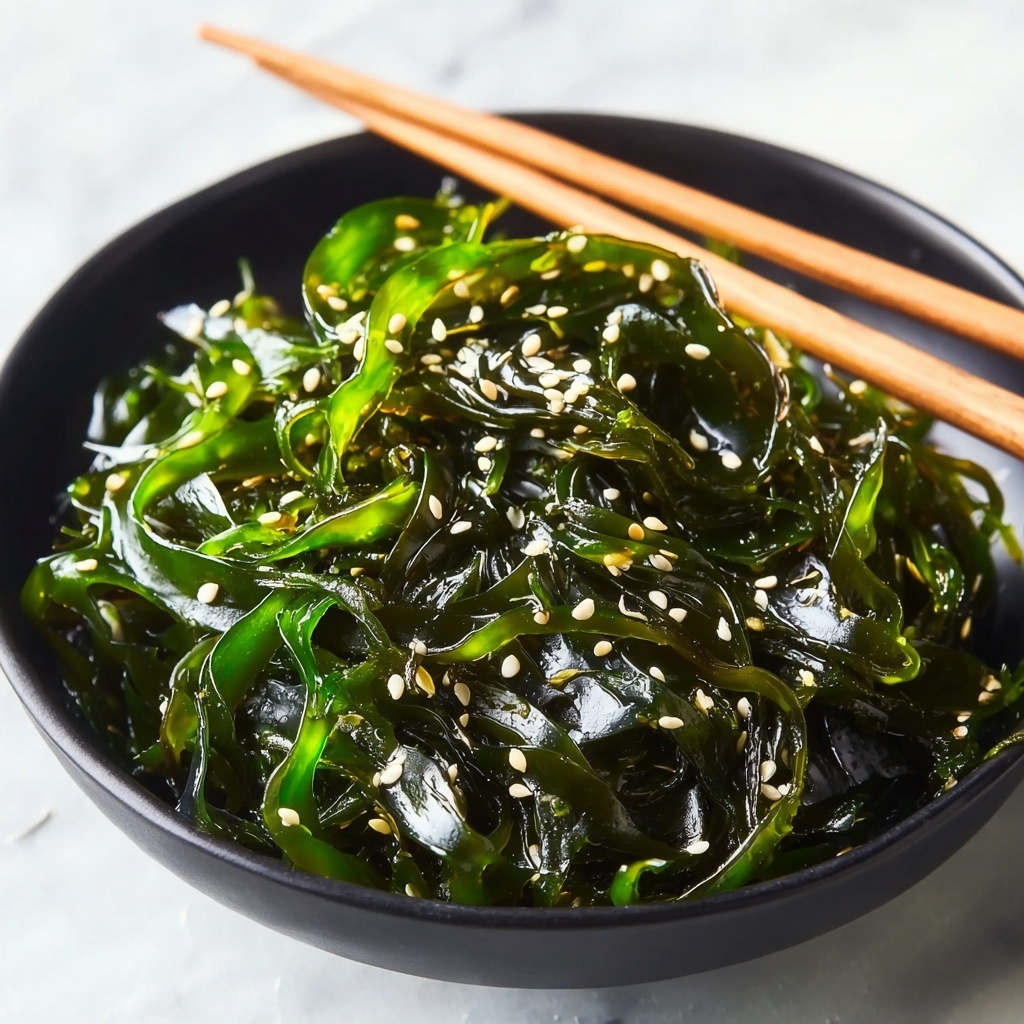
Garnishes
Beyond the classic avocado and pickled ginger, try adding thinly sliced scallions or a few crunchy roasted seaweed flakes to emphasize that ocean flavor. A light dusting of crushed red pepper flakes can add a gentle heat that pairs wonderfully with the salad’s cool, refreshing nature.
Side Dishes
This salad shines as a crisp and healthy companion to grilled fish or sushi platters. It also makes a fantastic contrast alongside fried rice or tender teriyaki chicken, offering a fresh, palate-cleansing bite between richer foods.
Creative Ways to Present
For a stunning presentation, layer the seaweed salad in clear glass bowls or individual serving cups to showcase the vivid greens and garnishes. Alternatively, serve it on a bed of crisp lettuce leaves or inside hollowed-out avocado halves for a creative, Instagram-worthy twist.
Make Ahead and Storage
Storing Leftovers
You can store leftover Asian Seaweed Salad: A Fresh Twist on Tradition Recipe in an airtight container in the refrigerator for up to two days. To maintain freshness, keep garnishes like avocado and pickled ginger separate and add them just before serving.
Freezing
Freezing is not recommended for this salad. The fresh, crisp textures and delicate dressing do not freeze well, as thawing can turn the seaweed mushy and alter the vibrant flavors.
Reheating
Since this is a salad best enjoyed cold or at room temperature, reheating is unnecessary. Just give it a gentle stir if flavors settle, and it’s ready to enjoy all over again.
FAQs
Can I use other types of seaweed in this recipe?
Absolutely! While the recipe calls for Maine Sea Coast Alaria and mixed sea vegetables, you can experiment with wakame, hijiki, or dulse. Each will bring its own unique texture and flavor, making the salad your own.
Is this salad suitable for a gluten-free diet?
Yes, the recipe uses coconut aminos as a gluten-free alternative to soy sauce, making it safe for those avoiding gluten. Just double-check your vinegar and other condiments to be sure.
Can I make this salad vegan?
Definitely! Simply substitute the raw honey with agave syrup or another plant-based sweetener to keep that perfect balance of sweet and tangy flavors while staying vegan-friendly.
How long does the salad keep its best flavor?
The salad is best enjoyed fresh within one to two days. Over time, the seaweed can become softer and the avocado may brown, so plan accordingly to savor the freshest experience.
What are some health benefits of seaweed salad?
Seaweed is packed with vitamins, minerals, and antioxidants. It supports thyroid health, aids digestion, and provides a low-calorie source of nutrients, making this salad both delicious and nourishing.
Final Thoughts
Give this Asian Seaweed Salad: A Fresh Twist on Tradition Recipe a try and discover how fresh, vibrant ingredients can turn a simple salad into a remarkable culinary adventure. Whether you’re serving it for a quick lunch or impressing guests with a healthy appetizer, it’s bound to become a favorite you’ll return to time and time again. Dive in and enjoy!
Print
Asian Seaweed Salad: A Fresh Twist on Tradition Recipe
- Prep Time: 10 minutes
- Cook Time: 10 minutes
- Total Time: 20 minutes
- Yield: 4 servings
- Category: Salad
- Method: No-Cook
- Cuisine: Asian
- Diet: Gluten Free
Description
This delicious Asian Seaweed Salad offers a fresh and vibrant twist on traditional seaweed dishes. Featuring hydrated Maine Sea Coast Alaria and mixed sea vegetables, tossed in a flavorful dressing made from garlic, ginger, rice wine vinegar, toasted sesame oil, honey, and coconut aminos. Finished with creamy avocado slices, fresh pickled ginger, and sesame seeds for a perfect balance of textures and flavors. Ideal as a light appetizer or a healthy side dish, ready in just 20 minutes.
Ingredients
Seaweed and Vegetables
- 1 cup Dried Maine Sea Coast Alaria (Hydrated before use)
- 1 cup Mixed Sea Vegetables (Rinsed before use)
Dressing
- 2 cloves Garlic (Minced)
- 1 tablespoon Ginger (Grated)
- 3 tablespoons Rice Wine Vinegar
- 2 tablespoons Toasted Sesame Oil
- 1 tablespoon Raw Honey (Can substitute with agave syrup)
- 2 tablespoons Coconut Aminos (Gluten-free alternative)
Garnish
- 1 medium Avocado (Sliced)
- 2 tablespoons Fresh pickled ginger
- 1 tablespoon Sesame seeds (For finishing)
Instructions
- Hydrate the Seaweed: Soak the dried Maine Sea Coast Alaria in warm water for about 15 minutes until it softens. For extra tenderness, you can optionally steam it for 10-15 minutes after soaking.
- Prepare the Mixed Sea Vegetables: Rinse the mixed sea vegetables thoroughly under cold water for 2-3 minutes to remove any excess saltiness and impurities.
- Make the Dressing: In a small bowl, whisk together minced garlic, grated ginger, rice wine vinegar, toasted sesame oil, raw honey, and coconut aminos until well combined to create a flavorful dressing.
- Toss the Salad: Drain the hydrated seaweed and combine it with the rinsed mixed sea vegetables. Drizzle the dressing evenly over the seaweed mixture and gently toss to coat everything thoroughly.
- Garnish and Serve: Arrange sliced avocado, fresh pickled ginger, and sprinkle sesame seeds on top of the salad just before serving to add texture and extra flavor.
Notes
- Ensure seaweed is fully hydrated for the best texture.
- Adjust honey or agave syrup to your preferred level of sweetness.
- Use coconut aminos as a gluten-free alternative to soy sauce.
- This salad can be served immediately or chilled for 10-15 minutes to enhance flavors.
- Store leftovers in an airtight container in the refrigerator for up to 2 days.