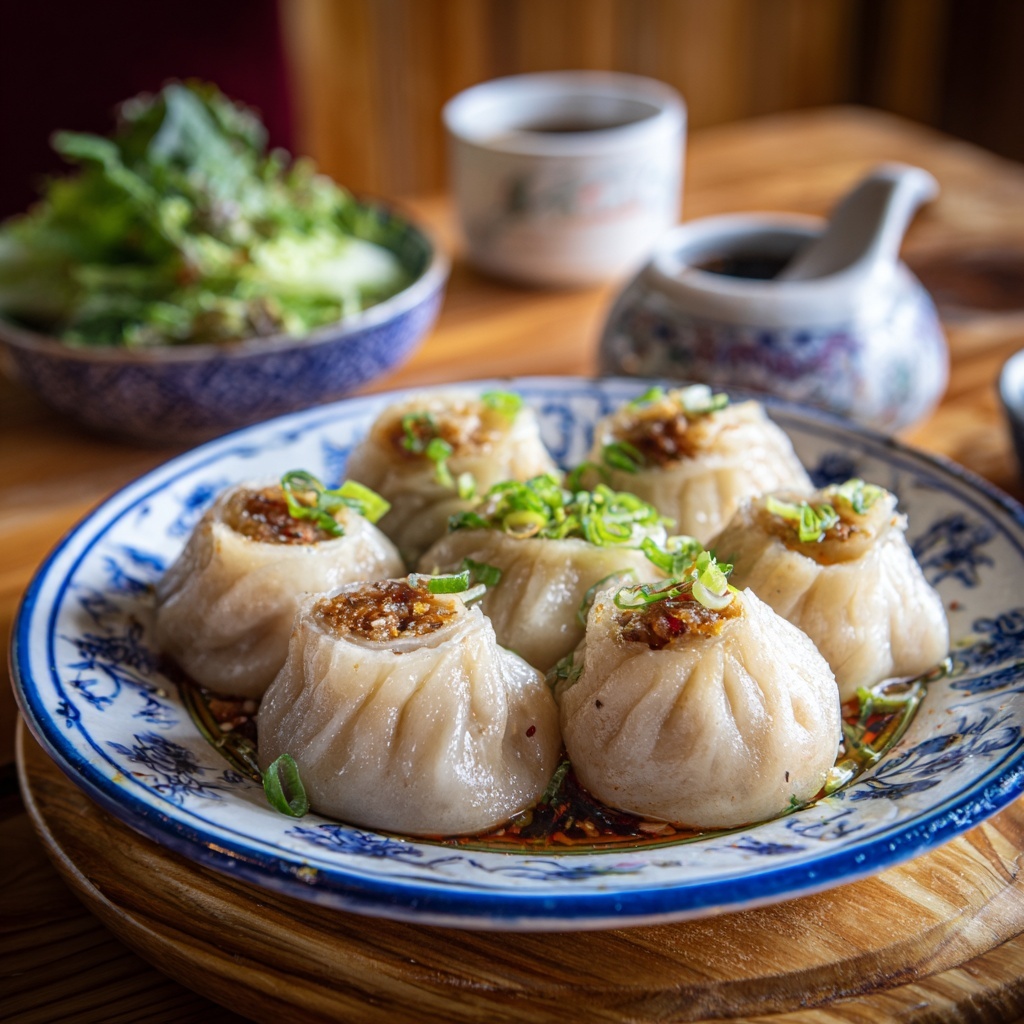
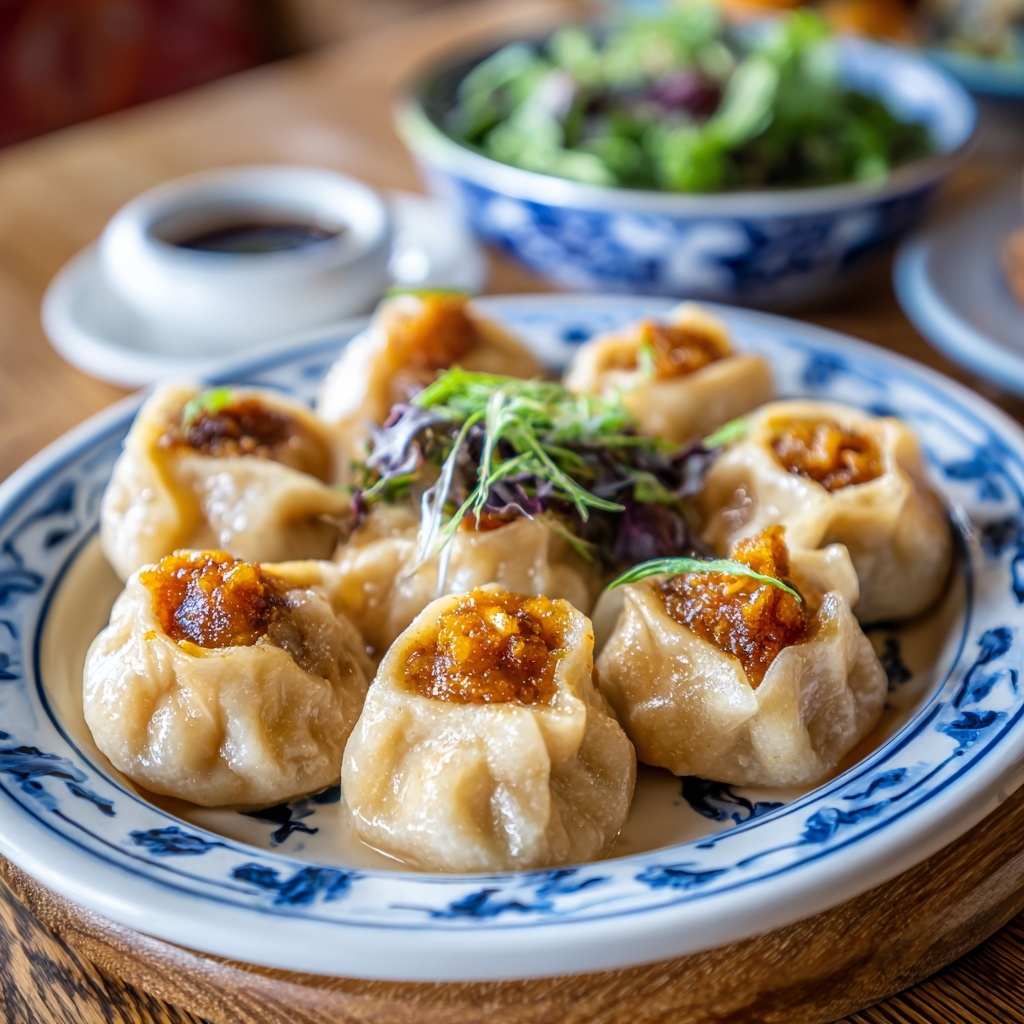
If you’ve ever wanted to master a dish that brings together bold flavors and comforting textures, look no further than Kimchi Mandu: Homemade Korean Dumplings with Tofu, Pork, and Noodles Recipe. These delightful dumplings combine spicy, tangy kimchi with tender pork, silky tofu, and chewy sweet potato noodles all wrapped in delicate dumpling skins. It’s a dish that’s as fun to make as it is irresistible to eat, perfect for cozy nights or sharing with friends. Get ready to dive into a Korean cooking adventure that will have your kitchen smelling amazing and your taste buds singing!
Ingredients You’ll Need
Every ingredient in this recipe plays a crucial role in building the delicious layers of flavor and texture. From the softness of tofu to the vibrant crunch of bean sprouts, these simple essentials come together in perfect harmony for your dumplings.
- Dumpling wrappers: Use round mandu wrappers for easy folding and that classic half-moon shape.
- Dangmyeon (sweet potato starch noodles): These noodles add a chewy bite that makes the filling uniquely satisfying.
- Kimchi: Chopped and squeezed to pack a spicy, tangy punch that defines the dish.
- Bean sprouts: Blanched and chopped for crispness and freshness in every bite.
- Firm tofu: Drained and crumbled, it adds a creamy texture while balancing the pork.
- Yellow onion: Finely diced to bring slight sweetness and depth.
- Korean garlic chives: Their mild garlic flavor brightens the filling beautifully.
- Ground pork: The savory backbone that binds the filling with richness.
- Garlic: Chopped fresh for that essential aromatic punch.
- Ginger: Adds warmth and slight zing, uplifting the overall flavor.
- Sesame oil: For that unmistakable nutty aroma and taste.
- Soy sauce: Salty and umami-rich, perfectly seasoning the mixture.
- Sugar: Balances the acidity and spice just right.
- Salt: Enhances all the flavors to their fullest potential.
- Black pepper: Adds a gentle heat that complements the pork and kimchi.
How to Make Kimchi Mandu: Homemade Korean Dumplings with Tofu, Pork, and Noodles Recipe
Step 1: Prepare the noodles and vegetables
Start by boiling the sweet potato noodles according to the package instructions until they’re tender but still chewy. Once drained, rinse them under cold water and chop finely to create a good texture throughout the filling. Next, chop up your kimchi while squeezing out any excess liquid to avoid soggy dumplings. Blanch the bean sprouts briefly in boiling water until they brighten, then refresh them in cold water, chop, and squeeze the liquid out as well. Each of these steps ensures your filling is perfectly balanced and not too wet.
Step 2: Drain and crumble the tofu
Firm tofu is a wonderful addition to the filling because it absorbs flavors while adding a lovely softness. Using a cheesecloth or clean kitchen towel, press out as much moisture as possible from the tofu. Crumble it into small pieces so it blends seamlessly with the other ingredients.
Step 3: Combine all filling ingredients
In a large mixing bowl, toss together the chopped noodles, kimchi, bean sprouts, crumbled tofu, diced onion, Korean chives, ground pork, chopped garlic, fresh ginger, sesame oil, soy sauce, sugar, salt, and black pepper. Mix everything thoroughly until the filling looks uniform. This step is where all your flavors marry, so take a moment to savor that delicious aroma!
Step 4: Taste and adjust
Before wrapping, microwave a small spoonful of the filling to test the seasoning. This little trick ensures your dumplings will burst with the perfect balance of flavors, letting you adjust salt or spice as needed before sealing each dumpling.
Step 5: Fill and fold the mandu
Place a dumpling wrapper in the palm of your hand and spoon 1-2 tablespoons of filling into its center. Lightly wet the edges with water so the wrapper seals well. Fold it into a neat half-moon shape and pinch the edges tightly to prevent any filling from escaping during cooking. Lay the finished mandu on a parchment-lined tray as you go.
Step 6: Cook the dumplings
To cook, you have two great options: steam or boil. For steaming, prepare a steamer basket lined with parchment paper and steam the dumplings for about 15 minutes until the wrappers turn translucent and tender. Alternatively, boil water and cook the mandu in batches until they float plus an extra 1-2 minutes—usually about 6 minutes total. Both methods lock in juiciness and yield dumplings that are simply irresistible.
How to Serve Kimchi Mandu: Homemade Korean Dumplings with Tofu, Pork, and Noodles Recipe
Garnishes
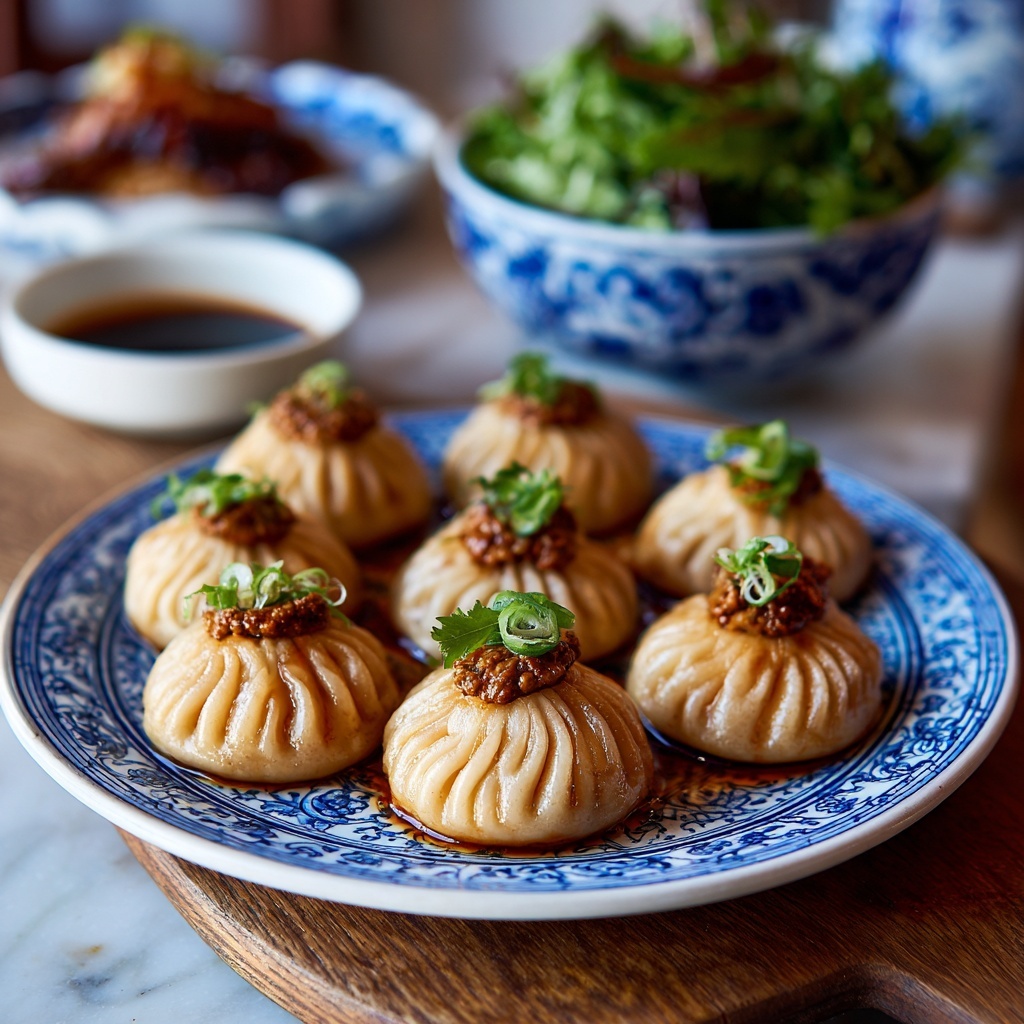
Serving your Kimchi Mandu with simple garnishes can elevate every bite. Sprinkle toasted sesame seeds on top for some extra nutty crunch and add a drizzle of sesame oil for aroma. Fresh chopped scallions or Korean chives scattered on the plate add a pop of green and fresh flavor that perfectly complements the spicy filling.
Side Dishes
These dumplings pair beautifully with classic Korean sides like kimchi salad or a crisp cucumber salad dressed with rice vinegar, sesame oil, and chili flakes. A bowl of hot miso soup or a steaming cup of Korean barley tea can round out your meal and keep that homemade vibe cozy and comforting.
Creative Ways to Present
If you want to get creative with your Kimchi Mandu: Homemade Korean Dumplings with Tofu, Pork, and Noodles Recipe, try serving them with different dipping sauces such as a soy-sesame mixture, a sweet chili sauce, or even a tangy vinegar-based sauce with minced garlic. You could also pan-fry leftover steamed dumplings for a crispy-bottomed delight that offers a wonderful contrast in textures.
Make Ahead and Storage
Storing Leftovers
If you have any dumplings left over, store them in an airtight container in the refrigerator for up to two days. It’s best to place a piece of parchment or wax paper between layers to prevent sticking.
Freezing
Kimchi Mandu freeze wonderfully. Arrange the uncooked dumplings on a baking sheet without touching and freeze until solid. Then transfer them to a sealed freezer bag or container for up to two months. When ready to cook, you can steam or boil them straight from frozen—just add a few extra minutes to the cooking time.
Reheating
To reheat, steam leftover dumplings until heated through or gently pan-fry them to revive their texture. Avoid microwaving them directly as it can make the wrappers rubbery or soggy.
FAQs
Can I make Kimchi Mandu without pork?
Absolutely! If you prefer a vegetarian option, you can omit the pork and increase tofu or add finely chopped mushrooms for extra umami. The flavors will still shine deliciously.
What type of kimchi is best for filling?
A well-fermented napa cabbage kimchi works best since it offers a nice balance of tanginess and spice. Make sure to drain it well by squeezing out excess liquid before adding to the filling.
Do I have to use sweet potato noodles?
While dangmyeon gives the classic chewy texture, you can substitute with glass noodles or omit noodles altogether if needed. The filling will still be tasty but with a different mouthfeel.
How can I prevent dumplings from bursting while cooking?
Seal the edges firmly with water and avoid overfilling the wrappers. Cooking at a gentle boil or a steady steam also helps keep the dumplings intact.
Can I pan-fry these dumplings?
Yes! Pan-frying after steaming or boiling creates deliciously crispy bottoms and a tender top. Heat a bit of oil in a pan, place cooked mandu in, and fry until golden and crisp on one side.
Final Thoughts
There’s something truly special about making Kimchi Mandu: Homemade Korean Dumplings with Tofu, Pork, and Noodles Recipe from scratch. It’s a delightful way to bring Korean flavors right into your kitchen, impress friends, and create a dish that’s both comforting and exciting. Once you try this recipe, it’ll quickly become a cherished favorite you’ll want to make again and again. So grab your wrappers and ingredients—it’s time to start folding and savoring every delicious bite!
Print
Kimchi Mandu: Homemade Korean Dumplings with Tofu and Pork Recipe
- Prep Time: 25 minutes
- Cook Time: 25 minutes
- Total Time: 50 minutes
- Yield: 35 servings
- Category: Appetizer
- Method: Steaming
- Cuisine: Korean
Description
Delicious Kimchi Mandu are traditional Korean dumplings filled with a savory mixture of kimchi, dangmyeon noodles, ground pork, tofu, and aromatic vegetables. These homemade mandu can be steamed or boiled to tender perfection, offering a flavorful and satisfying appetizer or meal that’s easy to prepare and bursting with authentic Korean flavors.
Ingredients
Filling Ingredients
- 2 ounces dangmyeon (Sweet potato starch noodles)
- 1 cup kimchi, chopped
- ⅓ cup bean sprouts, blanched and chopped
- 8 oz firm tofu, drained and crumbled
- ½ medium yellow onion, diced
- 1 cup Korean garlic chives, chopped
- ½ lb ground pork
- 1 tablespoon garlic, chopped
- 2 teaspoons ginger
- 2 teaspoons sesame oil
- 1 tablespoon soy sauce
- ½ teaspoon sugar
- ½ teaspoon salt
- ¼ teaspoon black pepper
Other
- 1 pack round mandu dumpling wrappers
Instructions
- Cook Dangmyeon Noodles: Bring a pot of water to a boil and cook the dangmyeon noodles according to the package instructions. Drain them, rinse with cold water, then finely chop for the filling.
- Prepare Kimchi: Finely chop the kimchi and squeeze out any excess liquid to keep the filling from becoming soggy.
- Blanch Bean Sprouts: Boil water and blanch the bean sprouts for 1 minute until they brighten. Drain, cool in cold water, chop into 1/4-inch pieces, and squeeze out remaining liquid.
- Drain and Crumble Tofu: Use cheesecloth to drain the firm tofu thoroughly, then crumble it into small pieces.
- Mix Filling: In a large mixing bowl, combine the chopped noodles, kimchi, bean sprouts, crumbled tofu, diced onion, chopped garlic chives, ground pork, garlic, ginger, sesame oil, soy sauce, sugar, salt, and black pepper. Mix well until fully combined.
- Adjust Seasoning: Microwave a small portion of the filling to taste and adjust the seasoning if needed.
- Fill Dumpling Wrappers: Place a mandu wrapper in your hand, add 1-2 tablespoons of filling to the center, wet the outer edge with water, and seal tightly.
- Shape Dumplings: Pinch the edges firmly to create a half-moon shape and place the mandu on a parchment-lined baking sheet.
- Steam Dumplings: Prepare a steamer by boiling water and lining the basket with parchment paper. Steam the dumplings for about 15 minutes until they become translucent and tender.
- Alternative Boiling Method: Bring a pot of water to a rolling boil. Add dumplings in batches, boiling until they float plus an extra 1-2 minutes, approximately 6 minutes total. Remove with a slotted spoon and serve.
Notes
- Be sure to squeeze out as much liquid as possible from kimchi, bean sprouts, and tofu to prevent soggy filling.
- You can freeze uncooked mandu in a single layer on parchment paper before transferring to a freezer bag for future use.
- Serve mandu with soy sauce or a dipping sauce made of soy sauce, vinegar, and chili flakes for added flavor.
- Adjust filling seasoning to your taste before assembling.
- Use a little water to seal dumpling edges effectively and avoid openings during cooking.