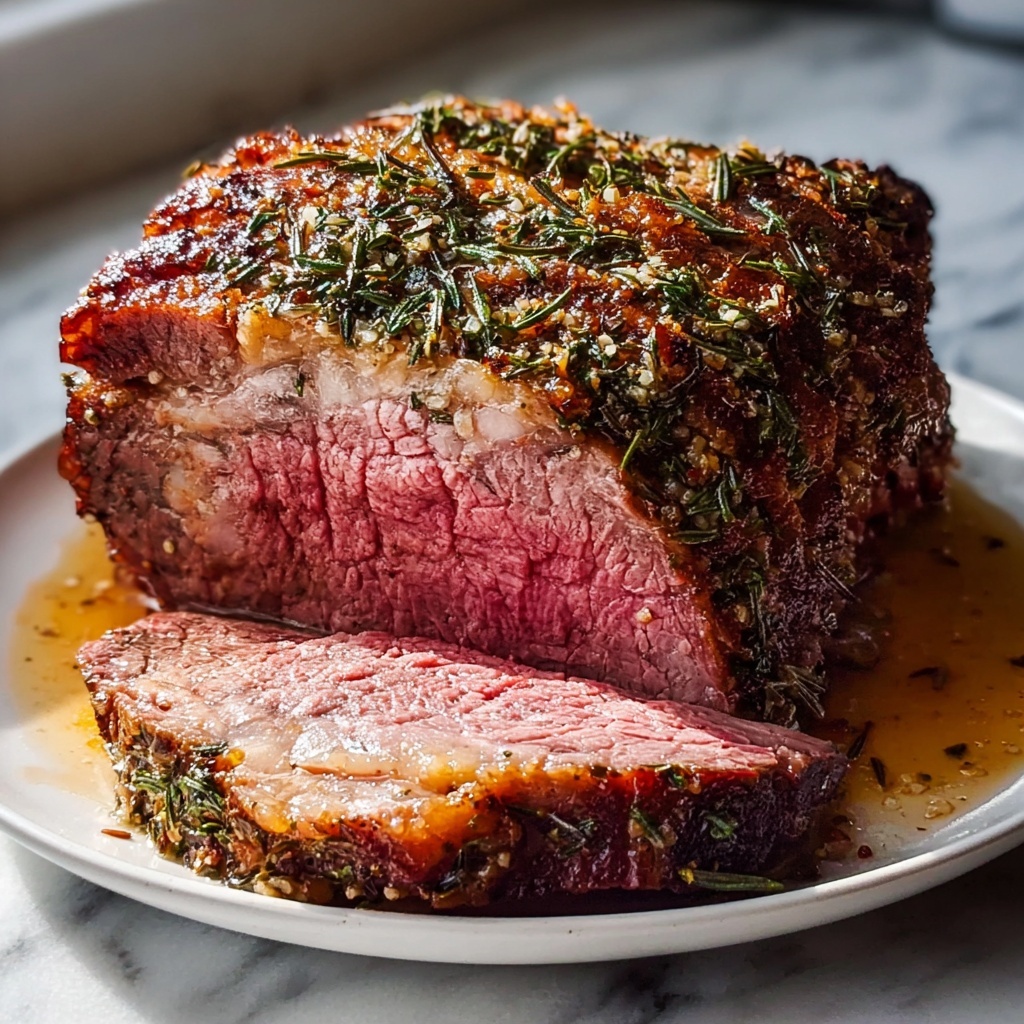
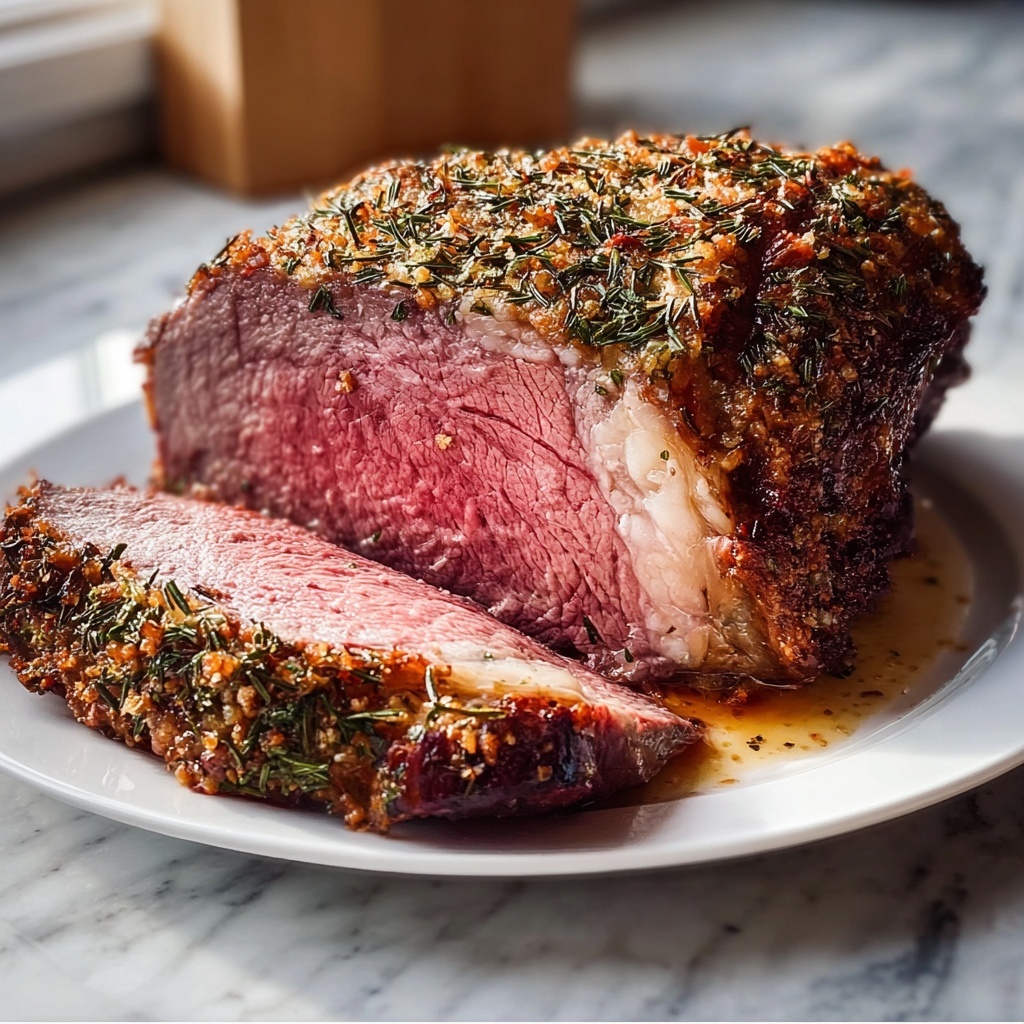
If you’re craving a hearty, show-stopping centerpiece that feels like a warm embrace at the dinner table, then this Tasty Prime Rib Roast Recipe: 5 Simple Steps to Comforting Delight Recipe is exactly what you need. Juicy, fragrant, and perfectly seasoned, this roast combines tender, flavorful meat with an easy, straightforward process that even novice cooks can follow. It’s the kind of recipe that transforms any occasion into a celebration, delivering impressive results without stressful techniques. With just a handful of fresh ingredients and a bit of patience, you’ll soon have a memorable meal everyone will rave about.
Ingredients You’ll Need
Every ingredient plays an essential role in this dish, each bringing its own flair to the taste, texture, and aroma. These simple but thoughtfully chosen components work together to create the iconic richness and herb-infused savory goodness that prime rib is famous for.
- Prime rib roast (5-7 lb): The star of the show, this cut promises tender, juicy slices that melt in your mouth.
- Olive oil (3 tablespoons): Helps the herbs and seasoning adhere and promotes a beautifully browned crust.
- Garlic, minced (4 cloves): Adds pungent warmth and depth that enhances the beef’s natural flavor.
- Fresh rosemary, chopped (2 tablespoons): Infuses the roast with its piney, woodsy aroma, tying all the flavors together.
- Fresh thyme, chopped (2 tablespoons): Brings a delicate earthiness that complements the rosemary perfectly.
- Salt (2 teaspoons): Essential for seasoning the meat deeply and helping the crust develop a savory edge.
- Black pepper (1 teaspoon): Adds a subtle, spicy kick that balances the rich beefiness.
How to Make Tasty Prime Rib Roast Recipe: 5 Simple Steps to Comforting Delight Recipe
Step 1: Preheat Your Oven
Warm your oven to 450°F (232°C). Starting with a hot oven helps create that irresistible crust by searing the exterior quickly, locking in juices for maximum flavor.
Step 2: Prepare the Herb and Garlic Mixture
Combine olive oil, minced garlic, chopped rosemary, thyme, salt, and pepper in a bowl. This fragrant blend is what transforms the roast from simple meat to a flavorful masterpiece.
Step 3: Coat the Roast
Generously rub the herb mixture all over the prime rib. Make sure to get every inch covered so the flavor infuses deeply during roasting.
Step 4: Roast at High Heat
Place the seasoned roast on a rack within a roasting pan and cook for 20 minutes at 450°F. This blast of heat creates a savory crust that locks in all the tenderness.
Step 5: Slow Roast to Perfect Doneness
Lower the oven temperature to 325°F (163°C) and continue roasting until the meat reaches your preferred doneness—whether that’s rare, medium, or well-done. After roasting, be sure to let it rest for 20-30 minutes to allow the juices to redistribute, resulting in brilliant juiciness with every slice.
How to Serve Tasty Prime Rib Roast Recipe: 5 Simple Steps to Comforting Delight Recipe
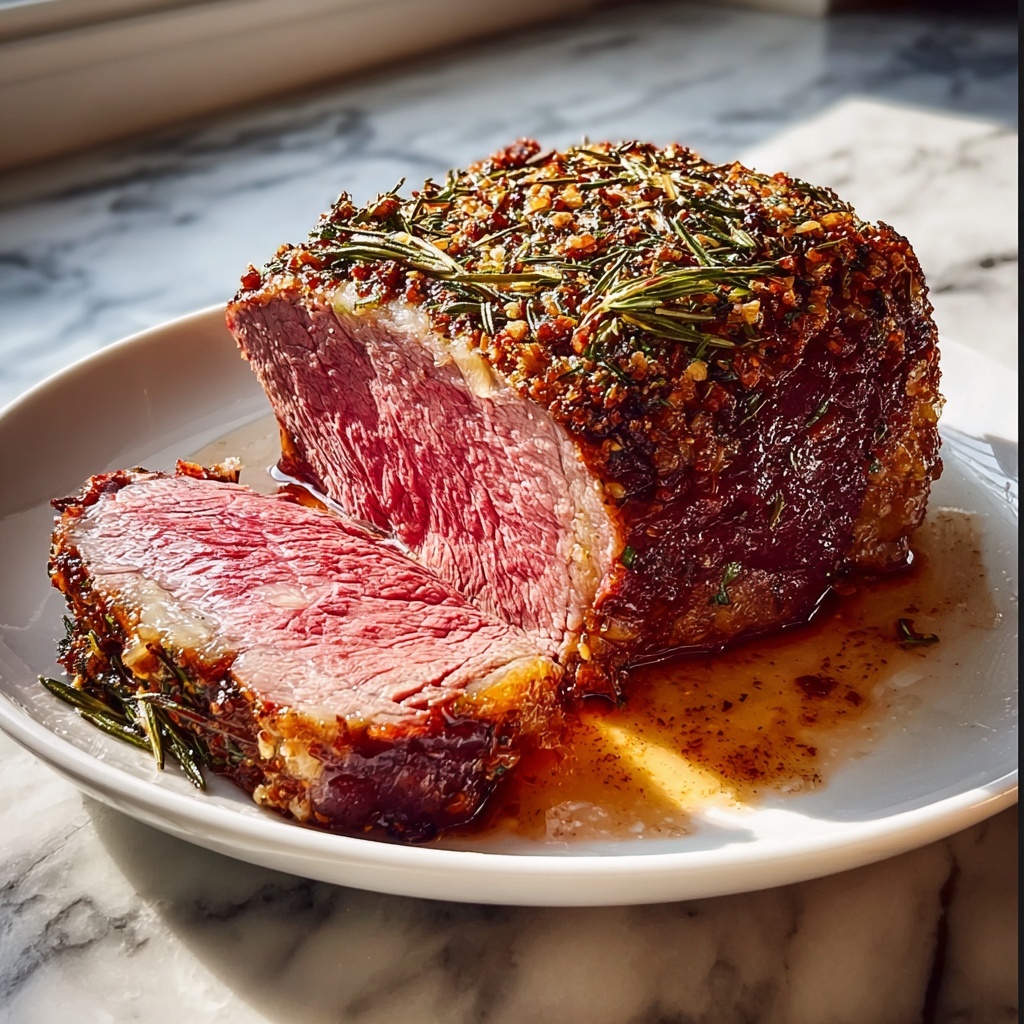
Garnishes
Fresh herbs like rosemary or thyme sprigs make elegant garnishes that echo the roast’s flavors and add visual appeal. A light sprinkle of flaky sea salt just before serving can heighten those savory notes, making each bite pop with complexity.
Side Dishes
Classic roasted vegetables such as carrots, parsnips, and Brussels sprouts pair wonderfully by adding sweetness and texture contrast. Creamy mashed potatoes or a simple horseradish sauce bring that extra comforting touch that prime rib begs for.
Creative Ways to Present
Serve the prime rib sliced thickly on a wooden board surrounded by rustic bread and dipping sauces to create a communal, inviting atmosphere. Or plate it with a drizzle of pan juices and a sprinkle of fresh herbs for an elegant, restaurant-style presentation at home.
Make Ahead and Storage
Storing Leftovers
Wrap any leftover prime rib tightly in foil or airtight containers and refrigerate within two hours of cooking. Properly stored, it stays flavorful and safe to eat for up to four days, making fantastic sandwiches or hearty reheated meals.
Freezing
You can freeze slices of cooked prime rib by placing them in freezer-safe bags or containers, separated by parchment to prevent sticking. Frozen properly, the meat maintains quality for about 2-3 months, so you can enjoy your comforting delight later.
Reheating
To keep the prime rib juicy, reheat it gently in a low oven (about 250°F) covered with foil, or warm slices in a skillet with a splash of broth to keep moisture locked in. Avoid microwaving directly, which can dry out this tender cut.
FAQs
What is the best doneness for prime rib?
Prime rib shines when cooked to medium rare (130-135°F inside), offering a juicy, tender texture with a warm red center. However, adjust cook time based on your preference from rare to medium well.
Do I need a meat thermometer?
Using a meat thermometer is highly recommended to achieve perfect doneness. It takes the guesswork out and ensures your prime rib turns out juicy and cooked to your liking every time.
Can I use dried herbs instead of fresh?
Fresh herbs provide the best aroma and flavor, but if fresh isn’t available, dried rosemary and thyme can work. Use about a third of the amount called for, as dried herbs are more concentrated.
Should I cover the roast while it rests?
Yes, loosely tent the roast with foil while it rests to keep it warm without trapping steam, which can soften the crust you worked so hard to create.
How do I know when to lower the oven temperature?
After the initial 20-minute high-temperature roast, promptly reduce the oven to 325°F as instructed. This two-step roasting process is key for a perfect crust and evenly cooked interior.
Final Thoughts
This Tasty Prime Rib Roast Recipe: 5 Simple Steps to Comforting Delight Recipe truly brings the cozy feelings of home-cooked comfort and the impressive allure of a special occasion meal into your kitchen. Give it a try—you’ll find it not only delicious but rewarding to make, with every bite delivering that crave-worthy combination of juicy tenderness and herb-kissed flavor. Your next gathering or Sunday supper has just met its perfect match.
Print
Tasty Prime Rib Roast Recipe: 5 Simple Steps to Comforting Delight Recipe
- Prep Time: 15 minutes
- Cook Time: 2 hours
- Total Time: 2 hours 15 minutes
- Yield: 6 servings
- Category: Main Course
- Method: Roasting
- Cuisine: American
Description
This Tasty Prime Rib Recipe offers a simple yet flavorful way to prepare a tender and juicy prime rib roast. With a fragrant herb and garlic rub, this classic comfort dish is perfect for special occasions or indulgent family meals.
Ingredients
Prime Rib Roast
- 1 (5-7 lb) prime rib roast
Herb and Garlic Rub
- 3 tablespoons olive oil
- 4 cloves garlic, minced
- 2 tablespoons fresh rosemary, chopped
- 2 tablespoons fresh thyme, chopped
- 2 teaspoons salt
- 1 teaspoon black pepper
Instructions
- Preheat Oven: Preheat your oven to 450°F (232°C) to prepare for the initial high-temperature roasting step that will help form a crust on the roast.
- Prepare Herb Rub: In a bowl, combine olive oil, minced garlic, chopped rosemary, chopped thyme, salt, and black pepper, mixing well to create a flavorful herb rub.
- Apply Rub: Thoroughly rub the herb mixture all over the surface of the prime rib roast, ensuring it is evenly coated to impart rich flavor.
- Position Roast: Place the coated prime rib roast on a rack set inside a roasting pan to allow even air circulation and heat distribution during cooking.
- Initial Roast: Roast the prime rib in the preheated oven at 450°F (232°C) for 20 minutes to sear the outside and lock in juices.
- Reduce Temperature & Continue Roasting: Lower the oven temperature to 325°F (163°C) and continue roasting until the desired internal doneness is reached (approximately 15-20 minutes per pound for medium rare).
- Rest Roast: Remove the roast from the oven and let it rest for 20-30 minutes. This resting allows the juices to redistribute, ensuring a moist and tender final result. After resting, slice and serve.
Notes
- Use a meat thermometer to check internal temperature: 120-125°F for rare, 130-135°F for medium rare.
- Resting the roast is crucial to keep it juicy and flavorful.
- Adding fresh herbs enhances aroma but dried herbs can be substituted if needed.
- Cooking times may vary based on oven performance and roast size.