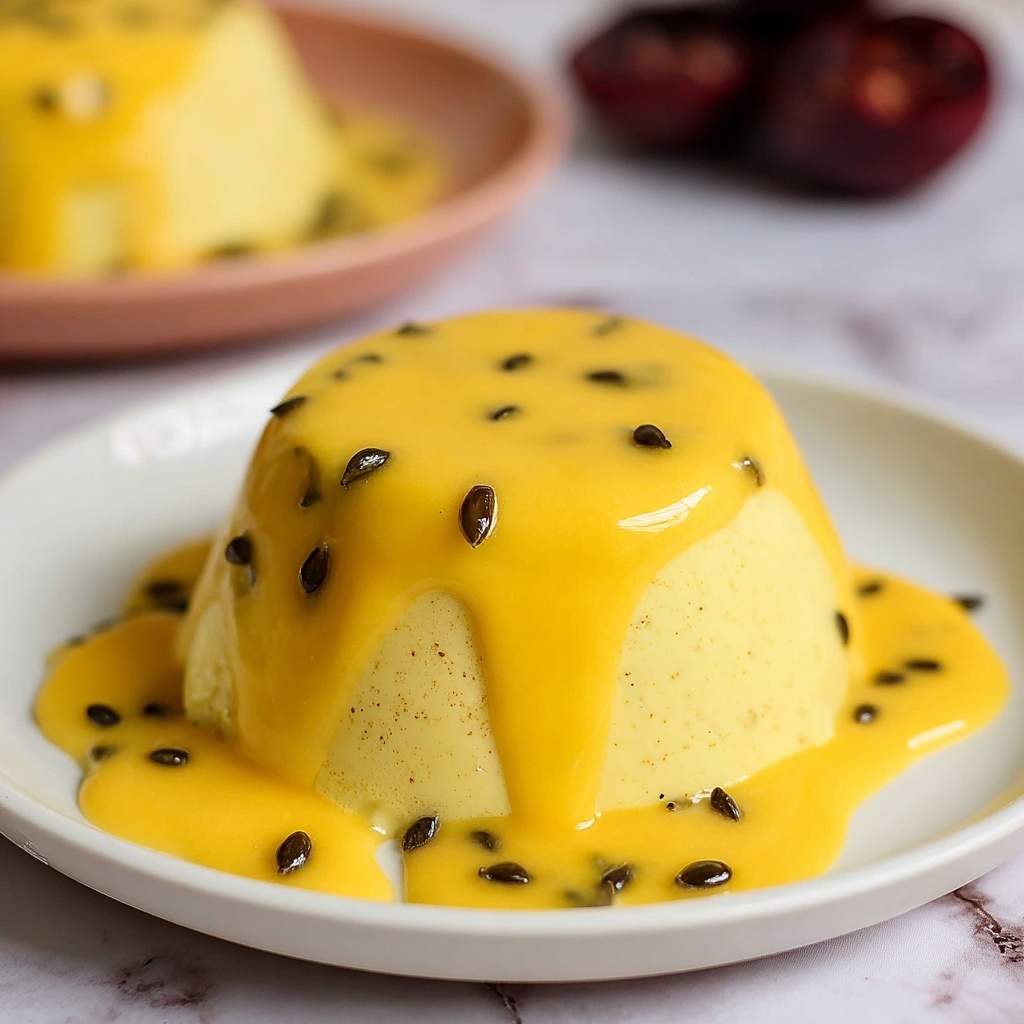
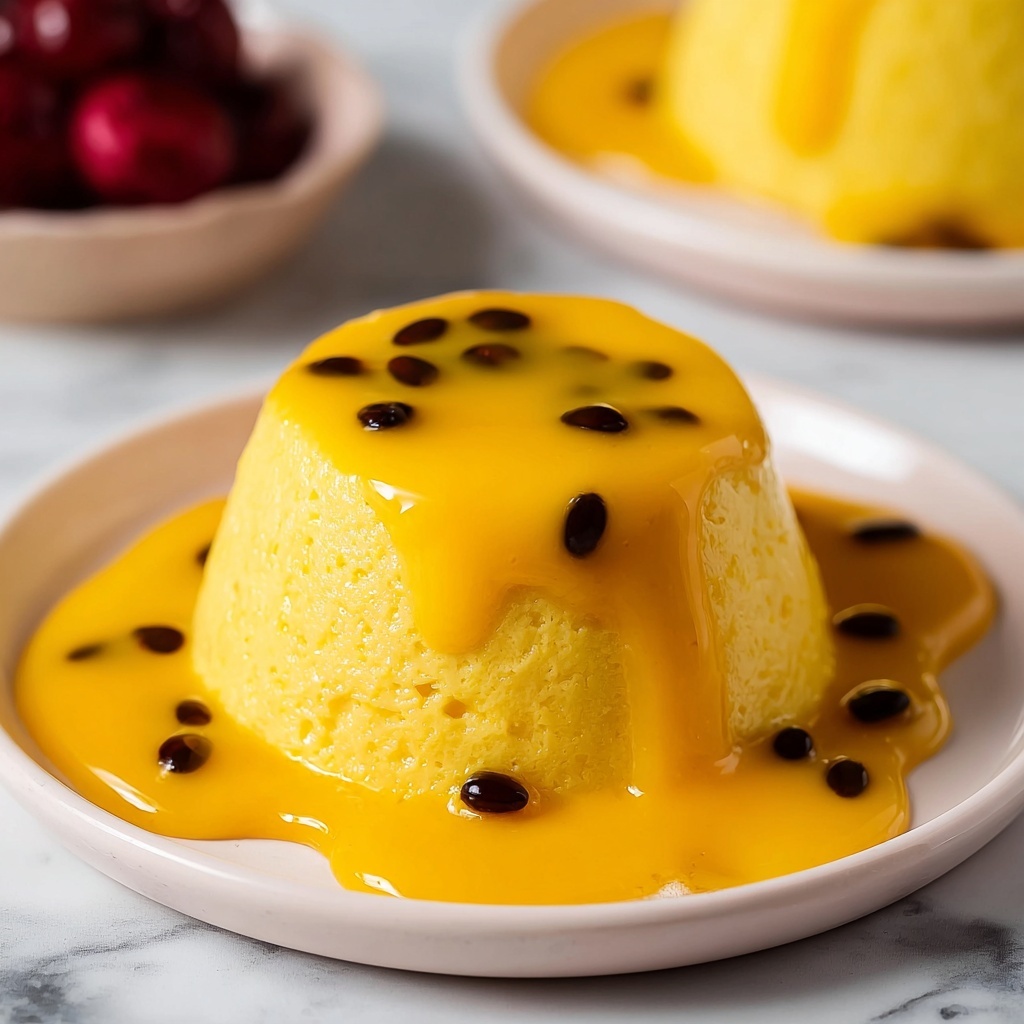
If you have a love for dreamy desserts that are both refreshing and exotically vibrant, then you are in for a real treat with this Passion Fruit Panna Cotta with Coconut Cream Recipe. It blends the tropical tartness of passion fruit with the luxuriously creamy texture of coconut cream, creating a dessert that feels indulgent yet light. What makes this panna cotta truly special is the use of agar-agar instead of gelatin, making it perfect for anyone seeking a plant-based alternative without compromising on that silky mouthfeel. This recipe is your ticket to impressing guests or simply delighting yourself with a luscious finale to any meal.
Ingredients You’ll Need
Gathering your ingredients is a breeze since this recipe calls for simple, wholesome elements that each add something unique to the dish. Whether it’s the tropical zing from the passion fruit or the rich creaminess from coconut, every component plays a vital role in creating that perfect balance.
- Passion fruit pulp (without seeds), 160 g: Provides vibrant flavor and natural tartness essential to the panna cotta’s signature taste.
- Almond milk, 240 ml: A smooth, nutty milk base that keeps the dessert light and dairy-free; soy or oat milk work beautifully too.
- Granulated sugar, 100 g: Adds just the right touch of sweetness to balance the tanginess of the passion fruit.
- Agar-agar powder, ¾ teaspoon: A plant-based gelling agent that sets the panna cotta without gelatin—key for a vegan-friendly dessert.
- Coconut cream, 240 g: Brings richness and a luscious texture along with a subtle tropical note that complements the passion fruit perfectly.
- Vanilla extract, 1 teaspoon (optional): Adds a warm, fragrant depth to the panna cotta, enhancing the overall flavor profile.
- Passion fruit pulp (with seeds), 200 g: Used to make a vibrant passion fruit coulis topping with a lovely crunch from the seeds.
- Granulated sugar, 100 g (for coulis): Sweetens the coulis nicely without overpowering passion fruit’s natural tartness.
- Lime juice, 1 tablespoon: Adds brightness and amplifies the tropical flavors in the coulis.
How to Make Passion Fruit Panna Cotta with Coconut Cream Recipe
Step 1: Prepare Passion Fruit Juice
Start by separating the luscious passion fruit juice from the seeds. Blitz the pulp in a food processor for about 30 seconds, which helps the juice break free from the seeds. Then, sift the mixture through a fine mesh sieve. This gives you a silky passion fruit juice base, free of seeds and perfect for the panna cotta.
Step 2: Cook the Panna Cotta Base
Pour the passion fruit juice into a small saucepan along with the almond milk, sugar, and agar-agar powder. Whisk everything together thoroughly and let it simmer over medium heat for 5 minutes. This is where the magic starts, as the agar-agar activates to help the panna cotta set perfectly.
Step 3: Add Coconut Cream and Flavor
Remove the saucepan from the heat before whisking in the coconut cream and vanilla extract if you are using it. Place the pan back on medium-low heat gently to melt the coconut cream fully into the mixture. Avoid boiling here to keep the smooth texture intact.
Step 4: Sift and Mold
Strain the mixture once more through a fine-mesh sieve into a heatproof container or jug. This ensures your final panna cotta is silky smooth without any lumps. Then, divide the mixture evenly into your chosen serving molds—be it silicone, glass, or ceramic.
Step 5: Chill to Set
Let the filled molds cool for about 10 minutes at room temperature, then cover and refrigerate for at least 4 hours or overnight. This slow chilling helps the panna cotta to develop that melt-in-your-mouth consistency.
Step 6: Make Passion Fruit Coulis
While the panna cotta is chilling, combine the passion fruit pulp with seeds, sugar, and lime juice in a saucepan. Heat gently until it simmers, whisking frequently for about 5 minutes until thickened slightly. Set aside to cool to room temperature—this coulis will add a tangy, juicy burst when served.
How to Serve Passion Fruit Panna Cotta with Coconut Cream Recipe
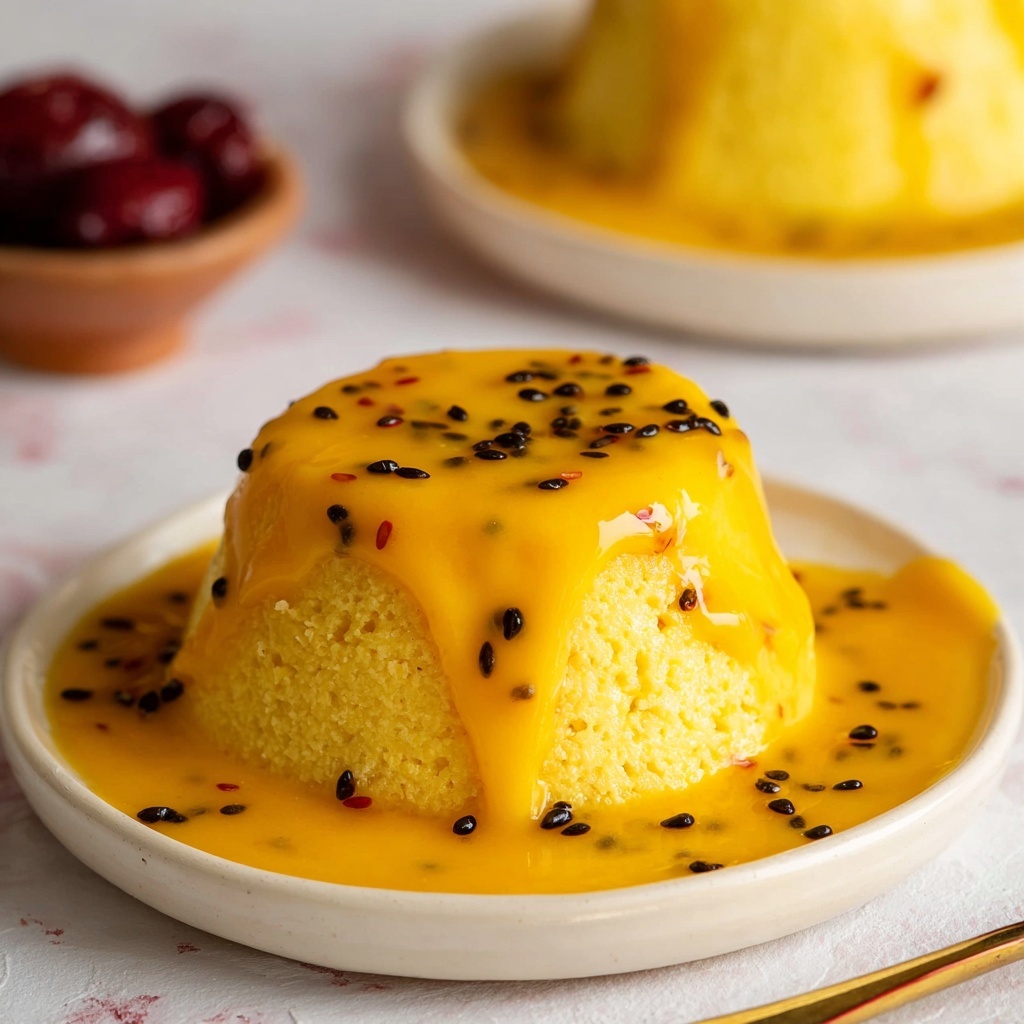
Garnishes
For that extra wow factor, fresh passion fruit halves, toasted coconut flakes, or a sprig of mint make brilliant garnishes. They don’t just look beautiful but also add texture and a lovely aroma that enhances the whole eating experience.
Side Dishes
This panna cotta shines as a standalone dessert or alongside light, fruity dishes. Consider pairing it with a crisp green salad dressed with citrus vinaigrette or a simple plate of fresh tropical fruits like mango or pineapple for a complete tropical-themed meal.
Creative Ways to Present
Elevate the presentation by serving the panna cotta in delicate glass cups or even hollowed-out passion fruit shells for a natural, stunning effect. You can layer the panna cotta with passion fruit coulis for a visually striking dessert or pour the coulis just before serving for a fresh, glossy finish.
Make Ahead and Storage
Storing Leftovers
Keep any leftover Passion Fruit Panna Cotta with Coconut Cream Recipe sealed well in the refrigerator. It stays fresh and delicious for up to 3 days, making it an excellent option for meal prep or an easy dessert to enjoy over a few days.
Freezing
Freezing this panna cotta is not recommended since the texture of coconut cream and agar-agar can become grainy once thawed. It’s best enjoyed fresh or refrigerated.
Reheating
This dessert is intended to be served chilled. If you find the panna cotta too firm after refrigeration, letting it sit at room temperature for 10–15 minutes softens it delightfully. Avoid heating it as this may affect the texture and consistency.
FAQs
Can I use other fruit pulps instead of passion fruit?
Absolutely! While passion fruit gives this panna cotta its distinctive tropical tang, mango or pineapple pulp could work well too. Just adjust the sugar levels depending on the sweetness of the fruit you use to keep the balance.
Is agar-agar a good substitute for gelatin in this recipe?
Yes, agar-agar sets panna cotta wonderfully and is plant-based, ideal for vegans or those with dietary restrictions. Be sure to simmer it properly to activate its gelling properties.
Can I make this dessert nut-free?
Definitely. Swap almond milk for oat milk or soy milk to keep it nut-free while still maintaining a creamy texture that blends beautifully with the coconut cream.
How do I know when the panna cotta is properly set?
After chilling for at least 4 hours, the panna cotta should have a delicate wobble but hold its shape well. If it’s too soft, refrigeration overnight will help achieve a firmer consistency.
Can I prepare the passion fruit coulis ahead of time?
Yes, the coulis can be made a day in advance and stored in the fridge. Give it a good stir before serving to revive its fresh flavors and consistency.
Final Thoughts
You really cannot go wrong making this Passion Fruit Panna Cotta with Coconut Cream Recipe your new go-to dessert. It perfectly marries tropical zest and creamy indulgence in an elegant, simple-to-execute way that will brighten any occasion. Give it a try and enjoy every spoonful of this vibrant, satisfying treat!
Print
Passion Fruit Panna Cotta with Coconut Cream Recipe
- Prep Time: 20 minutes
- Cook Time: 5 minutes
- Total Time: 4 hours 20 minutes
- Yield: 5 servings
- Category: Dessert
- Method: Stovetop
- Cuisine: International
- Diet: Vegan
Description
A creamy and luscious Passion Fruit Panna Cotta made without gelatin, perfect for a vegan dessert. This recipe uses agar-agar to set a smooth almond milk and coconut cream base infused with passion fruit, topped with a tangy passion fruit coulis for a fresh and tropical finish.
Ingredients
Panna Cotta Base
- 160 g passion fruit pulp (without seeds) (extracted from ~8–10 passion fruits)
- 240 ml almond milk (or soy milk/oat milk)
- 100 g granulated sugar
- ¾ teaspoon agar-agar powder
- 240 g coconut cream (or chilled full-fat canned coconut milk)
- 1 teaspoon vanilla extract (optional)
Passion Fruit Coulis
- 200 g passion fruit pulp (with seeds)
- 100 g granulated sugar
- 1 tablespoon lime juice (freshly squeezed)
Instructions
- Separate Passion Fruit Juice and Seeds: Add the passion fruit pulp to a food processor and blitz for around 30 seconds to separate the juices from the seeds.
- Sift the Juice: Press the blended mixture through a fine-mesh sieve to remove the seeds and collect the juice for the panna cotta base.
- Cook the Panna Cotta Mixture: In a small saucepan, combine the passion fruit juice, almond milk, sugar, and agar-agar powder. Whisk well and simmer over medium heat for 5 minutes to activate the agar and dissolve sugar.
- Add Coconut Cream and Vanilla: Remove the pan from heat, whisk in coconut cream and vanilla extract. Return to low-medium heat and gently warm until the coconut cream melts into the mixture, taking care not to boil.
- Strain Mixture: Pass the panna cotta mixture through a fine-mesh sieve into a heatproof bowl or jug to ensure smoothness.
- Pour into Molds: Divide the mixture evenly into five 8.5 cm x 7 cm molds or similar containers. Let cool slightly for 10 minutes.
- Set in Fridge: Cover the molds with lids or plastic wrap and refrigerate for at least 4 hours or overnight to allow the panna cotta to set.
- Make Passion Fruit Coulis: In a saucepan, combine passion fruit pulp with seeds, sugar, and lime juice. Bring to a simmer and cook for 5 minutes, whisking regularly. Remove from heat and cool to room temperature.
- Unmold Panna Cotta: Remove lids or plastic wrap. Place a serving plate on top of each mold and invert carefully. Gently coax the panna cotta out by pushing the edges of silicone molds or running a knife around ceramic or glass bowls.
- Serve: Pour the cooled passion fruit coulis over each panna cotta just before serving for a fresh, tangy drizzle.
Notes
- For vegan and gelatin-free setting, agar-agar powder is used instead of gelatin.
- You can substitute almond milk with soy or oat milk as preferred.
- Use full-fat coconut cream for best creamy texture; chilled canned coconut milk works as a substitute.
- Passion fruit seeds can be removed for a smoother panna cotta base but are retained in the coulis for texture.
- Prepare the panna cotta at least 4 hours in advance to ensure proper setting.
- If using yogurt containers or bowls as molds, carefully loosen with a knife before unmolding.