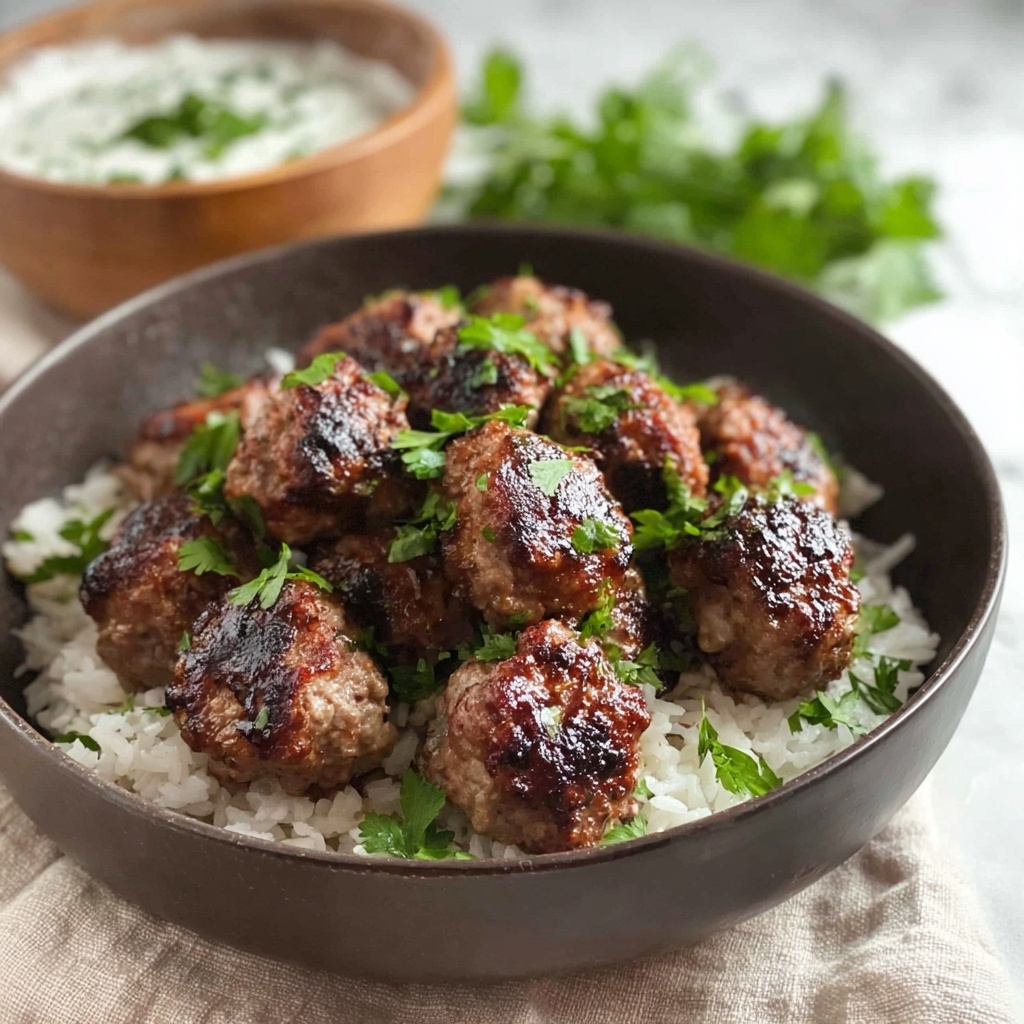
If you have ever craved a dish that bursts with fresh Mediterranean flavors and tender, juicy texture, you are going to absolutely adore this Greek Keftedes (Traditional Greek Meatballs) Recipe. These meatballs are a delightful dance of fragrant herbs like mint and parsley mixed into perfectly seasoned ground meat, creating an irresistible bite every time. Whether you’re a seasoned home cook or just exploring Greek cuisine, this recipe offers comfort, simplicity, and a taste of authentic Greece that feels like a warm hug on a plate.
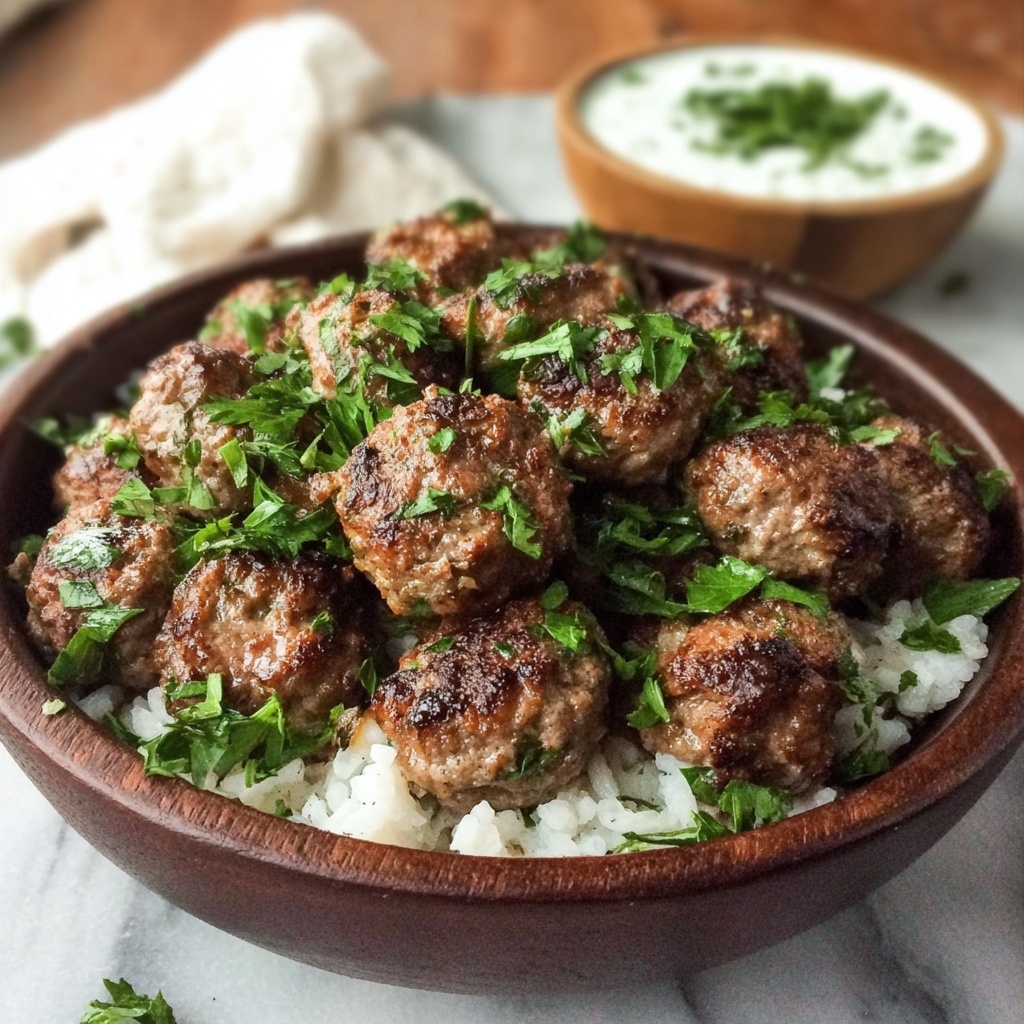
Ingredients You’ll Need
This recipe calls for straightforward, wholesome ingredients that come together to build layers of flavor and texture. Each one plays a vital role, from the fresh herbs that brighten the dish to the ground meat providing richness and heartiness.
- 500 g ground beef or lamb: Lamb offers traditional flavor, but beef is a delicious and accessible alternative.
- 1 small onion, finely grated: Adds sweetness and moisture without overpowering texture.
- 2 cloves garlic, minced: Brings aromatic warmth that is quintessential to Greek cooking.
- 1/2 cup fresh parsley, finely chopped: Offers a fresh, herbaceous note essential to keftedes.
- 2 tablespoons fresh mint, finely chopped: A signature flavor that brightens the meatballs beautifully.
- 1/2 cup breadcrumbs: Helps bind the meatballs while keeping them soft and tender.
- 1 large egg: Acts as a natural binder to hold everything together.
- 2 tablespoons milk: Adds moisture, ensuring juicy bites.
- 1 teaspoon dried oregano: Infuses the dish with traditional Mediterranean earthiness.
- 1/2 teaspoon ground cumin: Introduces a subtle warmth and depth.
- 1/2 teaspoon salt: Enhances all the flavors perfectly.
- 1/4 teaspoon black pepper: Provides a gentle kick to balance the herbs.
- Olive oil for frying: The rich, fruity oil for golden, crispy exteriors.
How to Make Greek Keftedes (Traditional Greek Meatballs) Recipe
Step 1: Preparing the Meat Mixture
Start by combining the ground meat, finely grated onion, minced garlic, chopped parsley and mint, breadcrumbs, egg, and milk in a large bowl. The onions and milk are key for moisture, while the herbs add their unmistakable fresh notes. Mix everything gently so the mixture stays airy, avoiding overworking which can make the meatballs tough.
Step 2: Seasoning for Authentic Flavor
Next, sprinkle in oregano, cumin, salt, and black pepper. These spices are what give the Greek Keftedes their classic, layered complexity. Be sure to mix just until combined to evenly distribute all those delicious herbs and spices without compressing the meat too much.
Step 3: Chill to Perfect
Cover the bowl and refrigerate the mixture for about 20 minutes. This resting time is essential as it allows the breadcrumbs to soak up moisture and the flavors to meld. It also firms up the mixture so shaping meatballs becomes easier and they hold together well during frying.
Step 4: Shaping the Meatballs
Using your hands, roll the mixture into small meatballs about 1 to 1.5 inches in diameter. Keeping them uniform in size helps them cook evenly and develop a lovely golden crust all around.
Step 5: Frying to Golden Perfection
Heat generous olive oil in a skillet over medium heat. Fry the keftedes in batches, turning occasionally, until they are golden brown and cooked through, roughly 8 to 10 minutes. The olive oil frying process seals in moisture while creating crispy edges that contrast beautifully with the tender interior.
Step 6: Draining and Serving Warm
Once cooked, transfer the meatballs to a paper towel-lined plate to drain any excess oil. They are best served warm to enjoy the full tender texture and fragrant herbs at their peak.
How to Serve Greek Keftedes (Traditional Greek Meatballs) Recipe
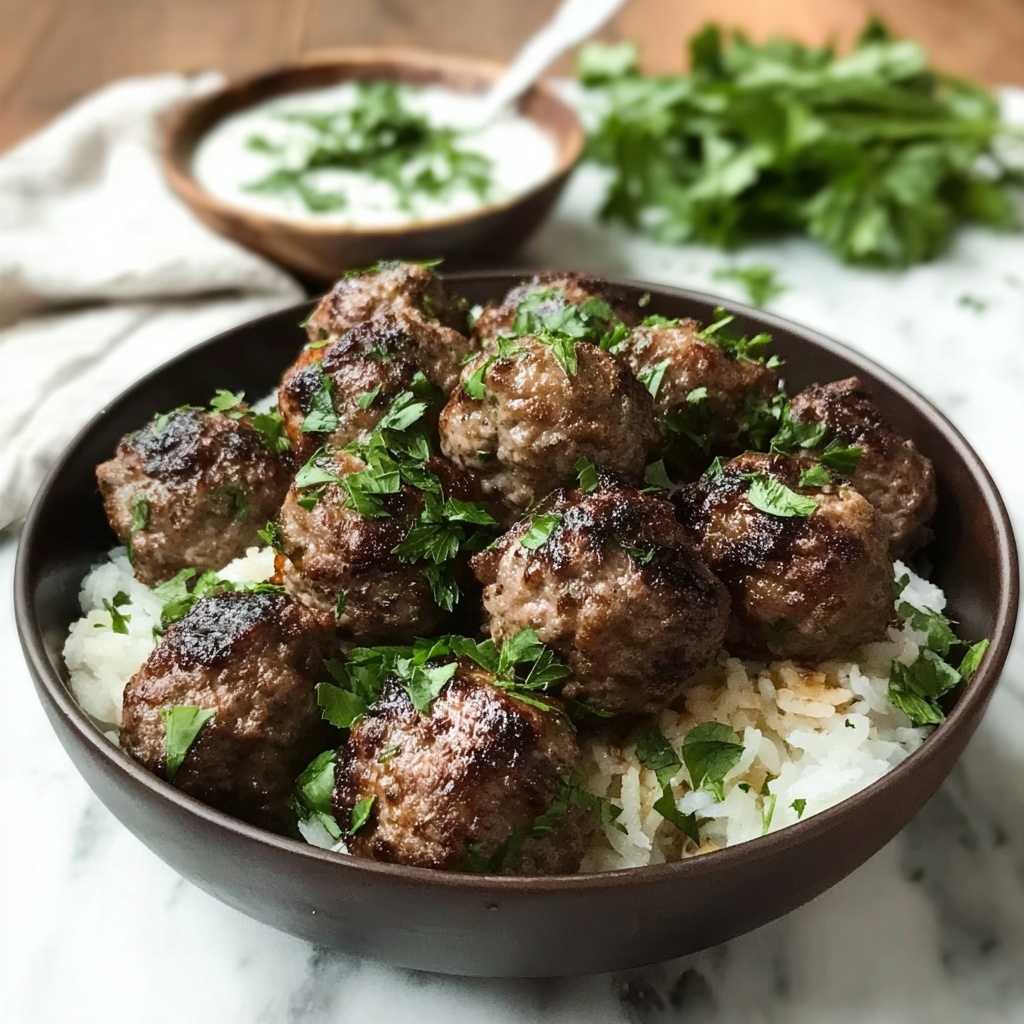
Garnishes
Garnishing keftedes is where you can get creative to enhance both presentation and flavor. Fresh lemon wedges bring a wonderful brightness when squeezed over the meatballs just before eating. A sprinkle of extra chopped parsley or mint adds a pop of color and refreshes each bite beautifully. For a traditional touch, a dollop of creamy tzatziki is absolutely indulgent alongside the keftedes.
Side Dishes
Greek Keftedes pair wonderfully with simple yet vibrant sides. A classic Greek salad with juicy tomatoes, cucumbers, Kalamata olives, and feta cheese brings a crisp contrast. These meatballs also complement fluffy pita bread or a bed of herbed rice or orzo. Roasted vegetables like zucchini and eggplant can round out the meal with robust Mediterranean flavors.
Creative Ways to Present
Impress your friends by serving the keftedes on skewers as part of a mezze platter alongside hummus, olives, and dolmades. Alternatively, assemble them into a sandwich or pita wrap with fresh vegetables and a drizzle of garlic yogurt sauce for a portable, flavorful lunch. No matter how you serve them, these meatballs bring a festive, homey vibe to any table.
Make Ahead and Storage
Storing Leftovers
Greek Keftedes keep beautifully in the refrigerator for up to three days when stored in an airtight container. This makes them a perfect make-ahead dish to enjoy for quick weekday meals or snacks. Reheat gently to preserve their juicy texture.
Freezing
If you want to enjoy this Greek Keftedes (Traditional Greek Meatballs) Recipe anytime, freezing is an excellent option. Freeze the uncooked meatballs arranged on a baking sheet, then transfer them to a freezer bag once solid. They will stay fresh in the freezer for up to three months and can be cooked directly from frozen with a slightly longer cooking time.
Reheating
To reheat, warm leftover keftedes in a skillet over medium heat or in the oven until heated through. Avoid microwaving if possible, as it can make them dry. Adding a splash of water or sauce when reheating will help maintain their tenderness and flavor.
FAQs
Can I use other kinds of meat for this Greek Keftedes (Traditional Greek Meatballs) Recipe?
Absolutely! While lamb and beef are traditional, you can use ground pork or a mix of meats based on your preference. Just ensure the meat is not too lean to keep the keftedes moist and flavorful.
What is the role of mint in the keftedes?
Mint adds a bright, refreshing note that balances the richness of the meat perfectly. It is a hallmark herb in Greek cooking, giving keftedes their distinctive flavor you won’t want to skip.
Can I bake these meatballs instead of frying them?
Yes, baking is a healthier alternative. Place the meatballs on a lined baking sheet and bake at 200°C (400°F) for about 20-25 minutes, turning once halfway through, until golden and cooked through.
How can I make the keftedes gluten-free?
Simply replace the traditional breadcrumbs with gluten-free breadcrumbs or ground nuts to maintain the binding without the gluten. Adjust moisture as needed to keep the mixture cohesive.
Are Greek Keftedes suitable for freezing after cooking?
Definitely! Once cooked and cooled, you can freeze the keftedes in an airtight container. Reheat gently to enjoy them later without losing their delightful texture and flavor.
Final Thoughts
There is something truly magical about preparing and sharing a plate of these Greek Keftedes (Traditional Greek Meatballs) Recipe — it’s like bringing a little piece of Greece into your kitchen and heart. I encourage you to try this recipe soon; fresh herbs, perfectly seasoned meat, and joyful frying aromas make it a dish you’ll want to keep coming back to. Enjoy every savory, herby bite and share it with people you love!
Print
Greek Keftedes (Traditional Greek Meatballs) Recipe
- Prep Time: 10 minutes
- Cook Time: 15 minutes
- Total Time: 25 minutes
- Yield: 4 servings (about 16-20 meatballs)
- Category: Main Dish
- Method: Frying
- Cuisine: Greek
Description
Greek Keftedes are traditional Greek meatballs made with ground beef or lamb mixed with fresh herbs, spices, and breadcrumbs. They are pan-fried to golden perfection, delivering a flavorful and juicy bite with aromatic hints of mint and oregano. This recipe is quick to prepare and perfect as an appetizer or main dish.
Ingredients
Meatball Mixture
- 500 g ground beef or lamb
- 1 small onion, finely grated
- 2 cloves garlic, minced
- 1/2 cup fresh parsley, finely chopped
- 2 tablespoons fresh mint, finely chopped
- 1/2 cup breadcrumbs
- 1 large egg
- 2 tablespoons milk
- 1 teaspoon dried oregano
- 1/2 teaspoon ground cumin
- 1/2 teaspoon salt
- 1/4 teaspoon black pepper
For Cooking
- Olive oil for frying
Instructions
- Prepare the Mixture: In a large bowl, combine the ground meat, grated onion, minced garlic, chopped parsley, chopped mint, breadcrumbs, egg, and milk. Mix gently to start forming your meatball base.
- Add Seasonings: Sprinkle in the dried oregano, ground cumin, salt, and black pepper. Mix gently but thoroughly until all ingredients are just combined, avoiding overworking the mixture for tender meatballs.
- Chill the Mixture: Cover the bowl with plastic wrap and refrigerate for 20 minutes. This step helps the flavors meld together and firms up the mixture, making it easier to form into meatballs.
- Shape the Meatballs: Using your hands, shape the mixture into small meatballs, approximately 1 to 1.5 inches in diameter, ensuring even size for uniform cooking.
- Heat Olive Oil: Pour olive oil into a skillet and heat it over medium heat until shimmering but not smoking, preparing it for frying.
- Fry the Meatballs: Place the meatballs carefully in the hot oil in batches, ensuring they are not overcrowded. Cook them, turning occasionally, until golden brown on all sides and fully cooked through, about 8–10 minutes total depending on size.
- Drain and Serve: Remove the cooked meatballs and place them on a paper towel-lined plate to absorb excess oil. Serve warm as an appetizer, snack, or main dish.
Notes
- For the best flavor, use a mix of ground beef and lamb or choose one according to preference.
- Make sure not to overmix the meat mixture to keep the meatballs tender.
- Refrigerating the mixture is key for firm and easier-to-handle meatballs.
- Cooking in batches prevents overcrowding so meatballs brown evenly.
- Serve with tzatziki sauce or a squeeze of lemon for an authentic Greek touch.
- Breadcrumbs can be substituted with gluten-free crumbs for a gluten-free option.