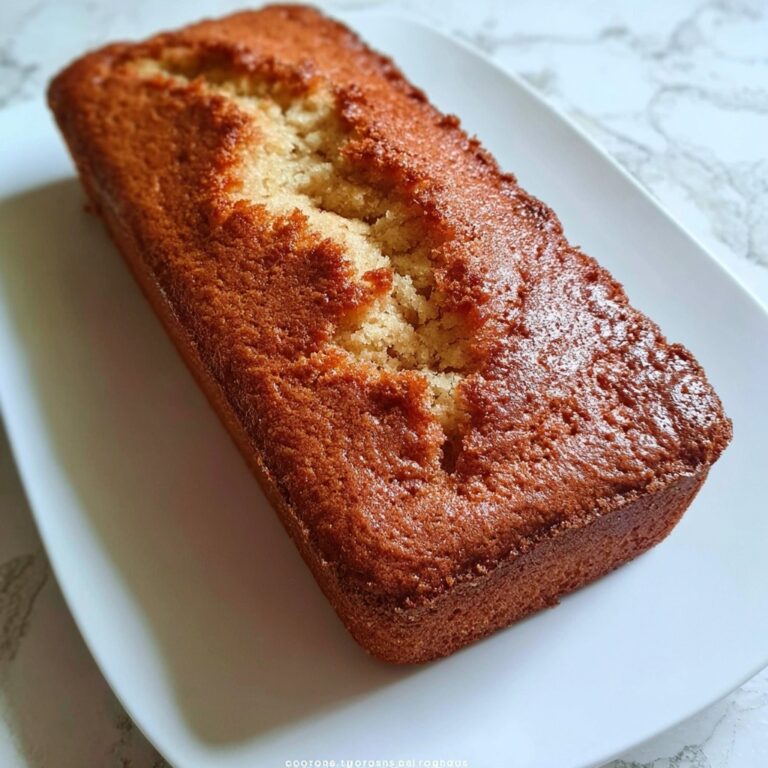
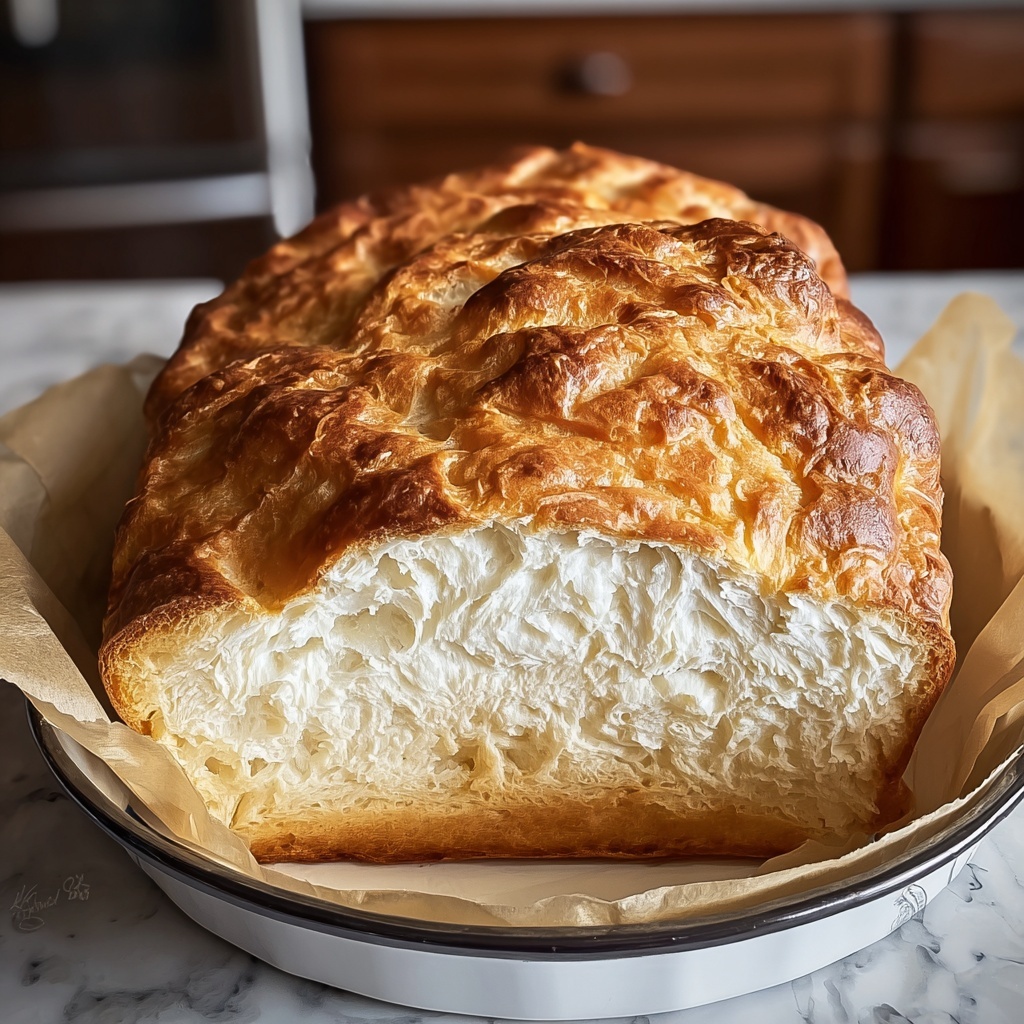
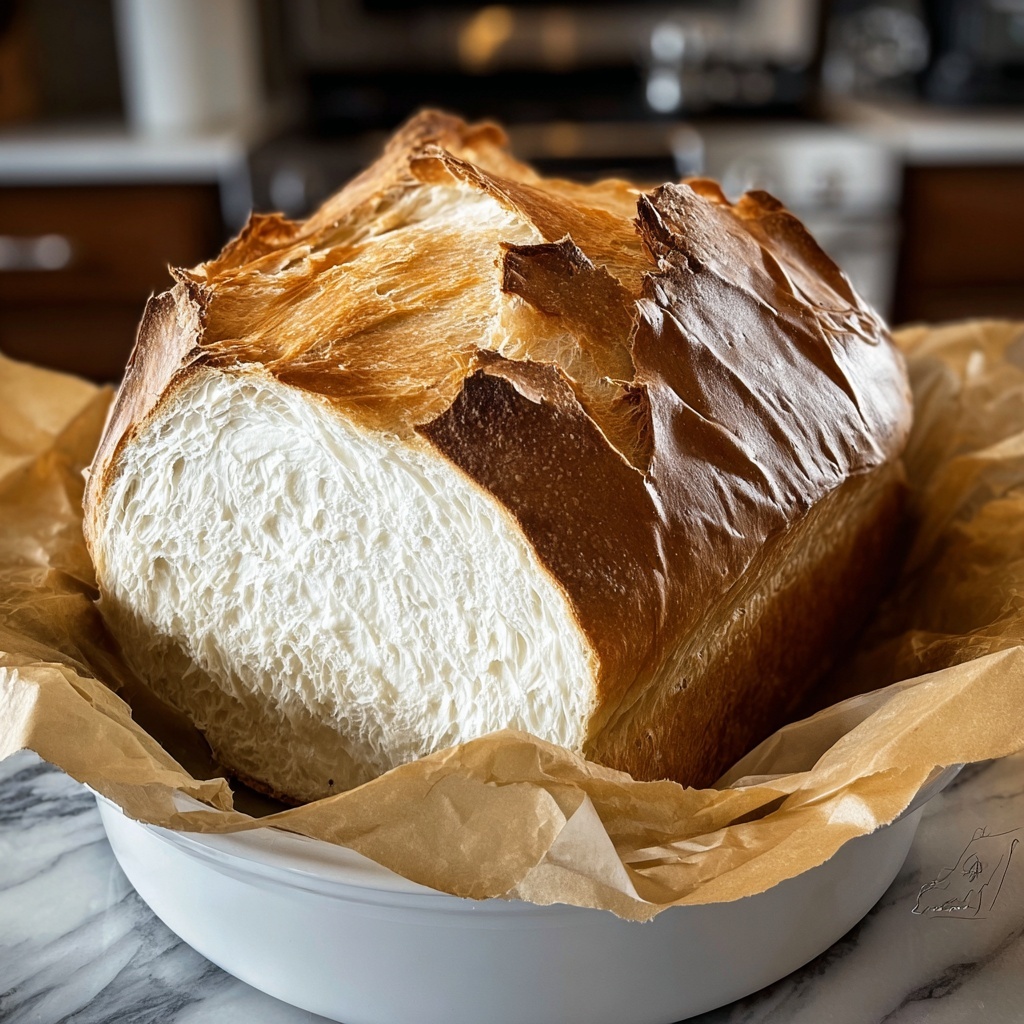
If you’ve ever dreamed of biting into a warm, fluffy loaf with a perfectly golden crust, you’re going to love this Easy Homemade White Bread Recipe. It’s the kind of bread that fills your kitchen with the most comforting aroma and makes every sandwich or toast feel like a special treat. The best part is that it uses simple ingredients you probably already have, and it’s surprisingly easy to make, even if you’re new to baking bread. Let me walk you through every step to help you create a loaf that brings all those cozy, homey vibes right to your table.
Ingredients You’ll Need
The magic of this Easy Homemade White Bread Recipe comes from a handful of straightforward ingredients, each playing a crucial role in building the bread’s flavor, texture, and beautiful color. Using fresh yeast ensures a lively rise, while the sugar helps activate the yeast for that perfect fluffiness. Let’s break down the essentials:
- Warm water: Helps to activate the yeast gently without killing it, creating the perfect environment for rising.
- Active dry yeast: The powerhouse for your dough’s rise and airy texture.
- Granulated sugar: Feeds the yeast and adds a subtle sweetness to balance the flavor.
- Salt: Enhances the taste and controls yeast fermentation for a well-rounded loaf.
- All-purpose flour: The foundation of your bread’s structure, giving it a tender crumb and chewy crust.
How to Make Easy Homemade White Bread Recipe
Step 1: Activate the Yeast
Start by combining warm water, yeast, and sugar in a mixing bowl. Let this mixture sit undisturbed for about 10 minutes until it becomes frothy and bubbly—this is a sign your yeast is alive and ready to work its magic. If it doesn’t foam, don’t worry; just give it a check because active yeast is key for a good rise.
Step 2: Mix the Dough
Slowly add the salt and flour to your yeast mixture, one cup at a time. Mixing gradually helps combine everything evenly and starts the transformation into a workable dough. This step is the start of your bread taking shape, so take your time to get the texture right.
Step 3: Knead Until Smooth and Elastic
Transfer the dough onto a lightly floured surface and knead it for about 6 to 8 minutes. Kneading develops the gluten, which gives the bread its elasticity and chewiness. You’re looking for a soft, smooth ball that springs back when you press it.
Step 4: First Rise
Place the dough into a greased bowl, then cover it with a clean cloth. Set it in a warm spot to rise for roughly 1 hour, or until it has doubled in size. This patient step lets the yeast ferment, creating those lovely air bubbles you want in your bread.
Step 5: Shape the Loaf
After the dough has risen, gently punch it down to release excess air. Shape it into a loaf and place it into a greased loaf pan. This step sets the stage for the bread’s final form and helps it rise evenly.
Step 6: Second Rise
Cover the loaf again and let it rise for another 30 to 45 minutes until doubled in size once more. This second proofing gives your bread extra fluff and volume, making it irresistibly soft inside with a crust that bakes up just right.
Step 7: Bake to Perfection
Preheat your oven to 350°F (175°C). Bake the bread for 30 to 35 minutes, until the crust turns a lovely golden brown and sounds hollow when you tap it gently. This tells you that the inside has cooked thoroughly, ready for cooling and slicing.
Step 8: Cool Before Slicing
It’s tempting to cut into your loaf right away, but cooling completely helps the crumb set and results in cleaner slices. Trust me, the wait is worth it!
How to Serve Easy Homemade White Bread Recipe
Garnishes
While this bread is delicious on its own, adding a little garnish can elevate your serving experience. Try spreading a pat of softened butter sprinkled with flaky sea salt or brushing the crust with garlic and herb-infused olive oil for a savory twist. Freshly chopped herbs like rosemary or thyme also add a lovely aroma and subtle flavor burst.
Side Dishes
This bread pairs beautifully with almost any meal. Think hearty soups, creamy mashed potatoes, or fresh garden salads. Its soft texture and mild flavor make it the perfect vehicle for soaking up sauces or just enjoying alongside a bowl of your favorite chili or stew.
Creative Ways to Present
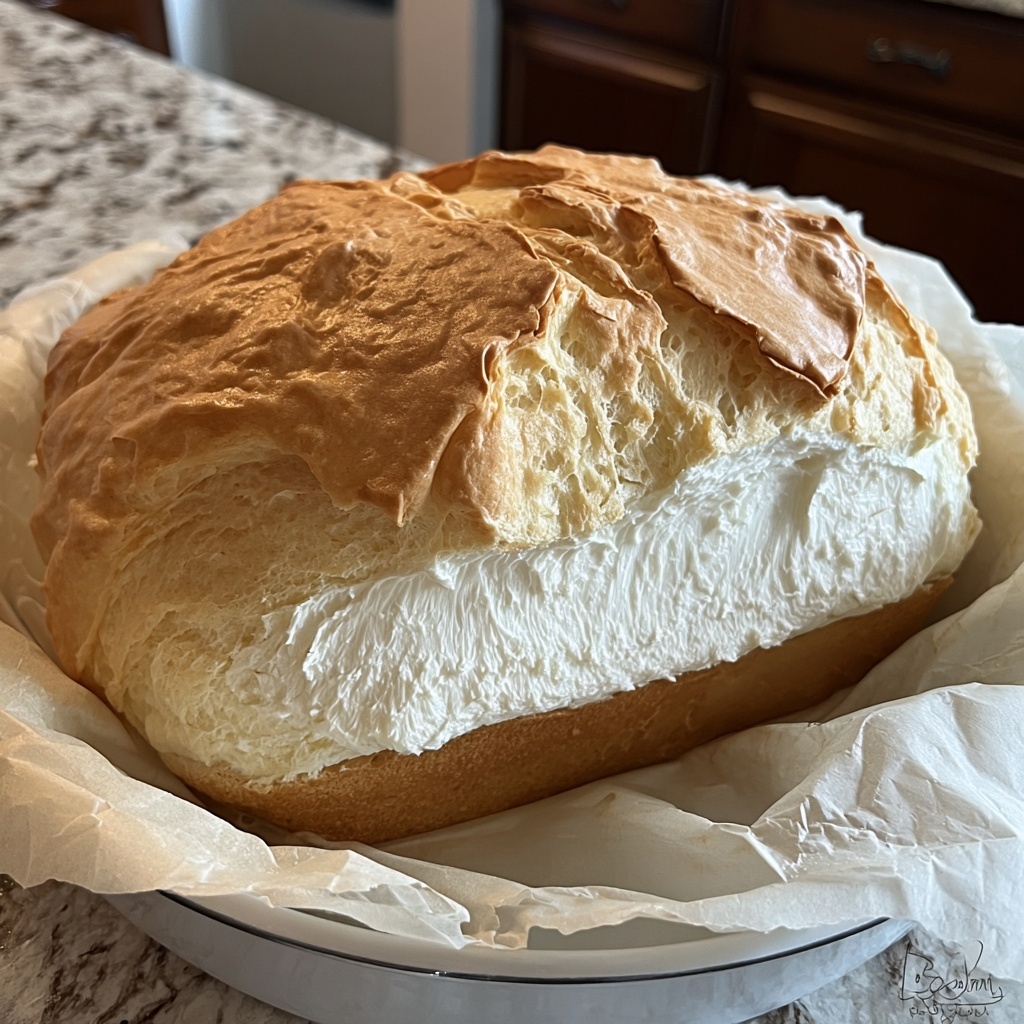
Want to impress guests or just make breakfast feel special? Slice the loaf thick and toast it lightly, then top with avocado, poached eggs, or your favorite jam and honey. You could also make classic sandwiches or even French toast with this bread—its balance of soft inside and crisp crust makes every bite satisfying.
Make Ahead and Storage
Storing Leftovers
Wrap your leftover bread tightly in plastic wrap or place it in an airtight container at room temperature. It will stay fresh for about 2 to 3 days, perfect if you plan to enjoy it for breakfast or quick sandwiches during the week.
Freezing
If you want to keep your Easy Homemade White Bread Recipe around longer, slice the loaf first and freeze the slices in a sealed bag. This way, you can take out just what you need, keeping the rest fresh for weeks. Just be sure to press out all the air to avoid freezer burn.
Reheating
To refresh frozen bread slices, pop them in a toaster or warm them in the oven wrapped in foil at 350°F for about 10 minutes. This brings back the soft texture and crispy crust, making it taste freshly baked again.
FAQs
Can I substitute active dry yeast with instant yeast?
Yes, you can replace active dry yeast with instant yeast in this recipe. Use about 25% less instant yeast than active dry, and you can mix it directly with the flour without proofing first, although proofing helps ensure the yeast is alive.
What if my dough doesn’t rise properly?
Make sure your water is warm but not hot, around 105°F to 110°F, as too hot water can kill the yeast. Also, give the dough a warm, draft-free spot to rise, and remember that cooler kitchens might require more rising time.
Can I add whole wheat flour to this recipe?
Absolutely! Replacing up to half of the all-purpose flour with whole wheat flour adds nuttiness and fiber. Keep in mind the bread may be a bit denser, so adjust kneading time as needed to develop gluten.
Why is the bread dense instead of fluffy?
Dense bread can result from under-kneading, insufficient rising time, or inaccurate yeast measurement. Ensuring you knead enough for gluten development and allow proper rising will help achieve that desirable fluffiness.
How can I make the crust softer?
If you prefer a softer crust, brush the top of the loaf with melted butter right after baking. You can also cover the bread with a clean kitchen towel while it cools to retain moisture.
Final Thoughts
This Easy Homemade White Bread Recipe is truly a game changer for any home cook. Its straightforward steps and humble ingredients combine to create a loaf that’s tender, flavorful, and downright comforting. Once you try it, you’ll understand how simple it is to bring that bakery-quality bread into your own kitchen. So grab your mixing bowl and yeast, and get ready to enjoy fresh bread like never before!
Print
Easy Homemade White Bread Recipe
- Prep Time: 20 minutes
- Cook Time: 35 minutes
- Total Time: 2 hours 30 minutes
- Yield: 1 loaf (about 12 slices)
- Category: Bread
- Method: Baking
- Cuisine: American
Description
This Easy Homemade White Bread recipe guides you through making soft, fluffy bread from scratch using simple ingredients. With a straightforward mixing, kneading, and rising process, followed by baking until golden, this bread is perfect for sandwiches, toast, or as a comforting side.
Ingredients
Ingredients
- 1 cup warm water
- 1 package active dry yeast (about 2 1/4 teaspoons)
- 1/4 cup granulated sugar
- 1 teaspoon salt
- 3 cups all-purpose flour
Instructions
- Activate Yeast: In a mixing bowl, combine warm water, active dry yeast, and sugar. Let sit for 10 minutes until the mixture becomes frothy, indicating the yeast is active.
- Mix Dough: Gradually add salt and flour to the yeast mixture, one cup at a time, stirring continuously until a dough begins to form.
- Knead Dough: Transfer the dough onto a lightly floured surface and knead for 6 to 8 minutes until it becomes smooth and elastic.
- First Rise: Place the kneaded dough in a greased bowl, cover it with a cloth or plastic wrap, and set it in a warm spot. Let it rise for 1 hour or until the dough doubles in size.
- Shape Dough: Punch down the risen dough to release air bubbles, shape it into a loaf, and place it into a greased loaf pan.
- Second Rise: Cover the loaf and let it rise again for 30 to 45 minutes until it doubles in size.
- Preheat Oven: Preheat your oven to 350°F (175°C) while the dough is undergoing its second rise.
- Bake: Bake the loaf in the oven for 30 to 35 minutes, until it turns golden brown and sounds hollow when tapped on the bottom.
- Cool: Remove the bread from the oven and allow it to cool completely on a wire rack before slicing.
Notes
- The water should be warm (around 110°F or 43°C) to activate the yeast properly, but not hot enough to kill it.
- Kneading develops gluten, which helps the bread hold structure and results in a soft texture.
- Make sure the dough doubles in size during both rising periods for best results.
- If you don’t have all-purpose flour, bread flour can be used for a chewier texture.
- Store bread in an airtight container at room temperature for up to 3 days or freeze for longer storage.