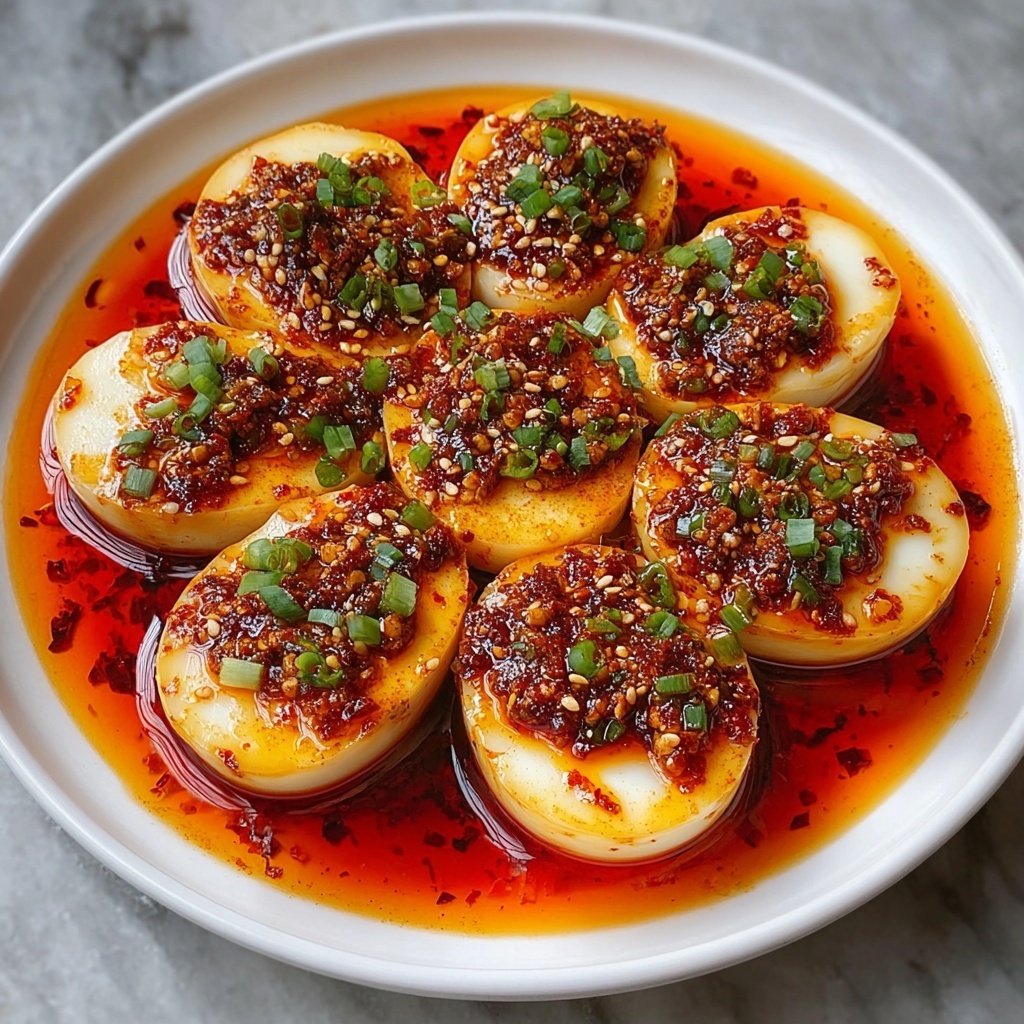
If you’re craving a breakfast that bursts with bold flavor and vibrant color, look no further than Spicy Gochujang Eggs: A Bold Korean Breakfast Recipe. This dish is a perfect marriage of creamy eggs and a fiery, umami-packed gochujang sauce that wakes up your taste buds and brightens your morning. With its beautiful balance of heat, sweetness, and savoriness, it’s an irresistible way to start your day on a flavorful note. Plus, it’s quick to make and will fill your kitchen with intoxicating aromas that make every moment before the first bite pure anticipation.
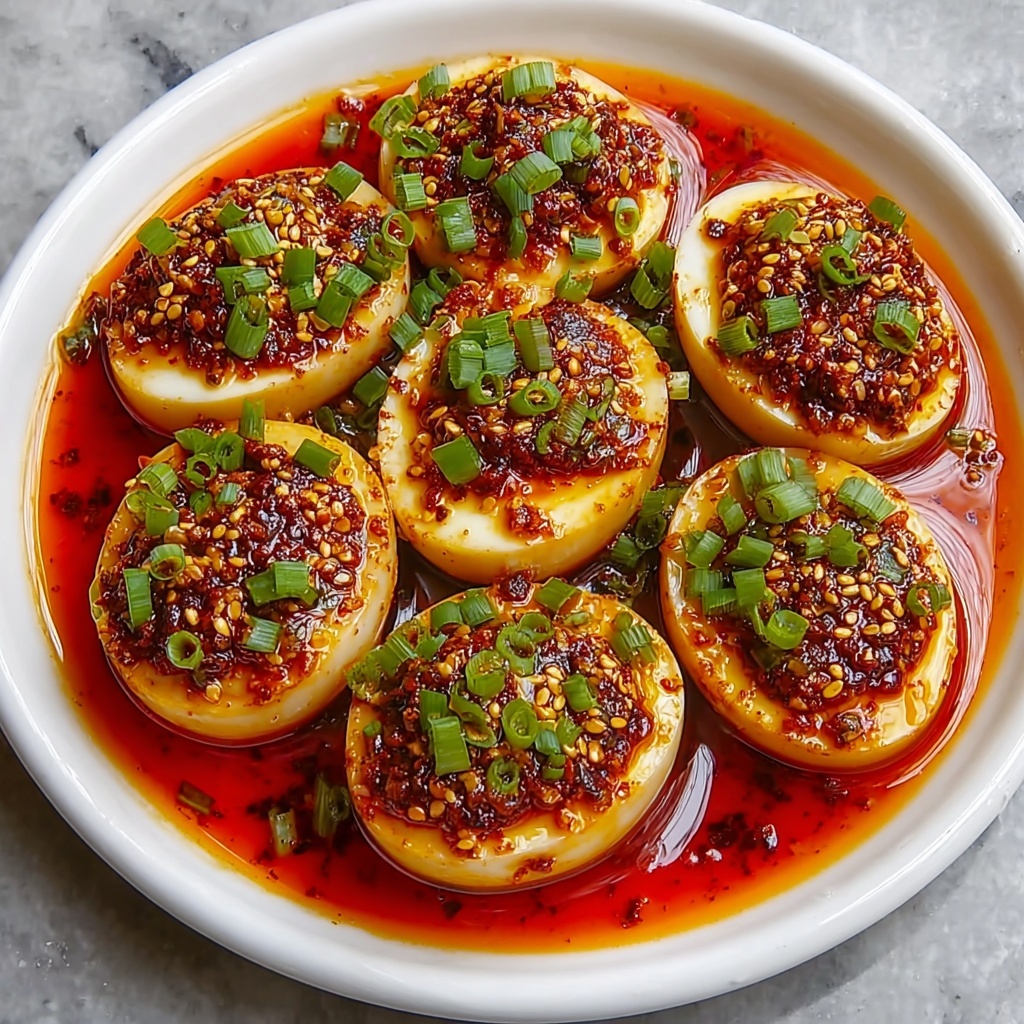
Ingredients You’ll Need
Gathering simple yet essential ingredients is the first step to nailing this vibrant recipe. Each item plays a critical role in layering the flavors, textures, and colors that make Spicy Gochujang Eggs: A Bold Korean Breakfast Recipe truly unforgettable.
- Gochujang, 2 tablespoons: This Korean red chili paste brings the signature sweet-spicy heat that defines the dish.
- Soy sauce, 1 tablespoon: Adds a deep, salty umami base; tamari can work for gluten-free options.
- Sesame oil, 1 teaspoon: Provides a fragrant nuttiness that enriches the sauce and eggs.
- Honey or maple syrup, 1 teaspoon: Balances the heat with a touch of natural sweetness.
- Garlic, 1 clove minced: Fresh garlic punches up the savoriness and aroma.
- Large eggs, 4: The creamy stars of the dish, perfect when cooked just right.
- Neutral cooking oil, 1 tablespoon: Vegetable, canola, or avocado oil helps cook the eggs evenly.
- Green onions, 2 sliced thin: Brings fresh crunch and a mild oniony brightness.
- Toasted sesame seeds, 1 teaspoon: Adds a delightful nutty crunch on top.
- Fresh cilantro (optional): A fragrant herb garnish that lifts the dish with citrusy notes.
How to Make Spicy Gochujang Eggs: A Bold Korean Breakfast Recipe
Step 1: Prepare the Gochujang Sauce
Start by whisking together the gochujang, soy sauce, sesame oil, honey, and minced garlic in a small bowl until you get a smooth and glossy sauce. This sauce is the soul of your Spicy Gochujang Eggs: A Bold Korean Breakfast Recipe, so don’t be shy—taste and tweak the balance if needed by adding a dash more honey for sweetness or soy sauce for that extra umami punch.
Step 2: Heat Your Pan
Grab a non-stick or well-seasoned cast-iron skillet and warm your cooking oil over medium heat. Watch closely—when the oil starts to shimmer without smoking, it’s ready. This stage is critical to perfect eggs that cook evenly without sticking or browning too fast.
Step 3: Cook the Eggs
Carefully crack the eggs into the pan, spacing them so they stay mostly separate if you like individual portions. Let them cook undisturbed for 2 to 3 minutes until the whites set and the yolks remain gloriously runny. If you prefer firmer yolks, cover the pan for an extra minute or gently flip them for over-easy eggs. That sizzling sound? It means you’re on track!
Step 4: Add the Spicy Sauce
Just before your eggs finish cooking, drizzle the luscious gochujang sauce over and around them. Let it warm for about 30 seconds until it bubbles gently, mellowing the fresh garlic while allowing the sauce and eggs to meld. The kitchen will fill with that mouthwatering sweet and spicy aroma you can’t resist.
Step 5: Garnish and Serve
Slide your spicy gochujang eggs onto a warm plate and sprinkle generously with sliced green onions and toasted sesame seeds. Add fresh cilantro if you want to brighten the dish with its herbaceous zing. The textures here—the silky eggs, sticky sauce, and crunchy garnishes—turn every forkful into a thrilling flavor journey.
How to Serve Spicy Gochujang Eggs: A Bold Korean Breakfast Recipe
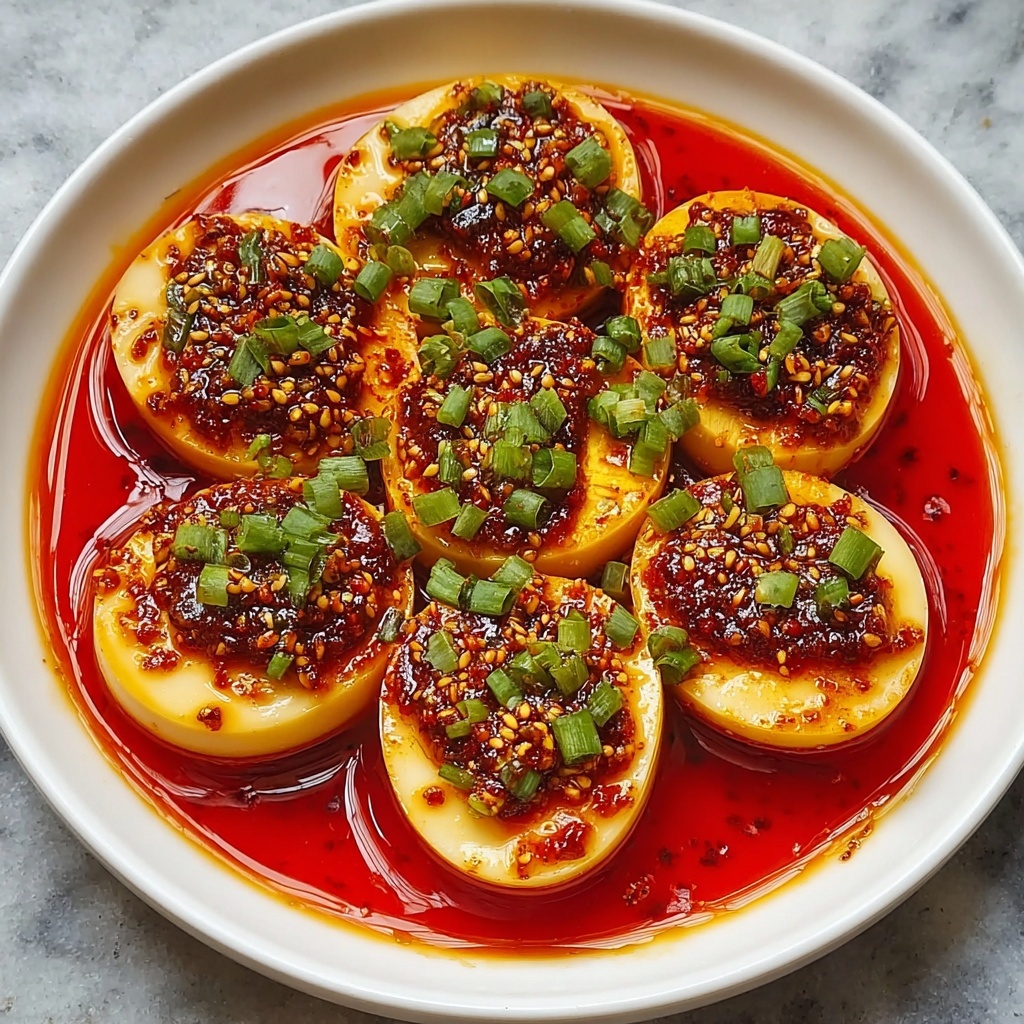
Garnishes
Don’t underestimate the power of garnishes to elevate this dish. Thinly sliced green onions add a fresh crunch, toasted sesame seeds lend nutty texture, and bright cilantro sprigs bring a fresh citrus lift that perfectly balances the spicy richness of the eggs.
Side Dishes
Pair your Spicy Gochujang Eggs: A Bold Korean Breakfast Recipe with steamed white rice or warm crusty bread to soak up all that flavorful sauce. A simple cucumber salad or kimchi adds cooling crunch and a familiar Korean flair, rounding out your breakfast beautifully.
Creative Ways to Present
For a fun twist, serve the eggs atop a bowl of hot noodles garnished with scallions and sesame seeds for a Korean-inspired brunch. Alternatively, pop the eggs onto rice bowls with pickled veggies and a drizzle of extra gochujang sauce to create a bold, crowd-pleasing meal anytime.
Make Ahead and Storage
Storing Leftovers
If you have any leftovers (though that rarely happens), store the cooked eggs and sauce separately in airtight containers in the refrigerator. Eggs are best eaten within 1 to 2 days for optimal texture and taste.
Freezing
Due to the delicate texture of fried eggs, freezing is not recommended. The sauce can be frozen separately in a sealed container for up to a month if you want to prep in advance.
Reheating
To reheat, gently warm the gochujang sauce on the stove or in the microwave, then pour it over freshly cooked eggs for best texture. Reheating cooked eggs directly can make them rubbery, so cooking fresh eggs when serving is ideal.
FAQs
Can I make this recipe vegan?
Absolutely! Swap the eggs for an extra-firm tofu scramble and replace honey with agave nectar for a plant-based gochujang glaze. The flavors remain bold and satisfying.
What can I substitute for gochujang if I can’t find it?
If gochujang is unavailable, try mixing Korean chili flakes (gochugaru) with miso paste to replicate its spicy-sweet-umami profile, though the texture and sweetness will differ slightly.
How spicy is this dish?
Spicy Gochujang Eggs: A Bold Korean Breakfast Recipe delivers a noticeable but balanced heat that’s complemented by sweetness and umami, making it approachable for most spice lovers. Adjust the amount of gochujang if you prefer milder flavors.
Can I use other oils for cooking?
Yes, neutral oils like vegetable, canola, or avocado oil work best for cooking the eggs without overpowering the sauce’s flavor. Sesame oil is reserved for the sauce to preserve its aroma.
Is this recipe suitable for meal prep?
While ideal fresh, you can prepare the sauce ahead of time to save morning prep. Cook eggs fresh to keep their texture, then quickly assemble for a fast, flavorful breakfast.
Final Thoughts
There’s nothing quite like the bright, fiery kick of Spicy Gochujang Eggs: A Bold Korean Breakfast Recipe to start your day with confidence and joy. Whether you’re a longtime Korean food fan or discovering these flavors for the first time, this recipe is a delicious, quick way to make breakfast extraordinary. Give it a try—you might find it’s your new favorite way to enjoy eggs!
Print
Spicy Gochujang Eggs: A Bold Korean Breakfast Recipe
- Prep Time: 5 minutes
- Cook Time: 8 minutes
- Total Time: 13 minutes
- Yield: 4 servings
- Category: Breakfast
- Method: Frying
- Cuisine: Korean
Description
This Spicy Gochujang Eggs recipe is a bold and flavorful Korean-inspired breakfast that combines runny fried eggs with a vibrant, sweet-spicy gochujang sauce. Topped with green onions, toasted sesame seeds, and optional fresh cilantro, it’s a quick and satisfying dish perfect for a fiery start to your day.
Ingredients
Sauce Ingredients
- 2 tablespoons gochujang (Korean red chili paste)
- 1 tablespoon soy sauce (or tamari for gluten-free)
- 1 teaspoon sesame oil
- 1 teaspoon honey or maple syrup
- 1 clove garlic, minced
Eggs and Garnishes
- 4 large eggs
- 1 tablespoon neutral cooking oil (vegetable, canola, or avocado)
- 2 green onions, thinly sliced
- 1 teaspoon toasted sesame seeds
- Fresh cilantro for garnish (optional)
Optional Substitutions
- Use coconut aminos instead of soy sauce for a soy-free version
- Swap eggs for extra-firm tofu scramble for a vegan alternative
- Replace honey with agave nectar for a fully plant-based option
- Try gochugaru (Korean chili flakes) mixed with miso paste if gochujang isn’t available
Instructions
- Prepare the Gochujang Sauce: In a small bowl, whisk together the gochujang, soy sauce, sesame oil, honey, and minced garlic until smooth and well combined. Adjust sweetness or umami to taste by adding more honey or soy sauce as desired. The sauce should be thick and glossy, ready to coat the eggs.
- Heat Your Pan: Place a non-stick or well-seasoned cast-iron skillet over medium heat. Add the neutral cooking oil and allow it to warm for about one minute until shimmering without smoking. This temperature ensures eggs cook evenly without sticking or over-browning.
- Cook the Eggs: Crack the eggs into the pan, keeping them slightly separated if you want individual servings. Cook undisturbed for 2-3 minutes until the whites are set and the yolks remain runny. For firmer yolks, cover the pan for an additional minute or flip the eggs gently for over-easy style, listening for a gentle sizzle throughout.
- Add the Spicy Sauce: Drizzle the prepared gochujang sauce over and around the eggs once they are nearly cooked. Let the sauce warm and bubble for about 30 seconds to meld flavors and mellow the garlic’s sharpness, creating a fragrant sweet-spicy aroma in your kitchen.
- Garnish and Serve: Carefully slide the eggs onto a warm plate. Sprinkle with thinly sliced green onions and toasted sesame seeds. Add fresh cilantro if desired for a bright, citrusy contrast. Serve immediately to enjoy the luscious textures and vibrant flavors.
Notes
- For a soy-free dish, substitute soy sauce with coconut aminos.
- For a vegan alternative, replace eggs with extra-firm tofu scrambled and swap honey for agave nectar.
- If gochujang is unavailable, mix gochugaru with miso paste as a substitute.
- Adjust the sweetness and saltiness of the sauce to your taste before cooking the eggs.
- Use a non-stick or well-seasoned pan to prevent eggs from sticking.
- Optional garnish of fresh cilantro adds a citrusy brightness to the dish.