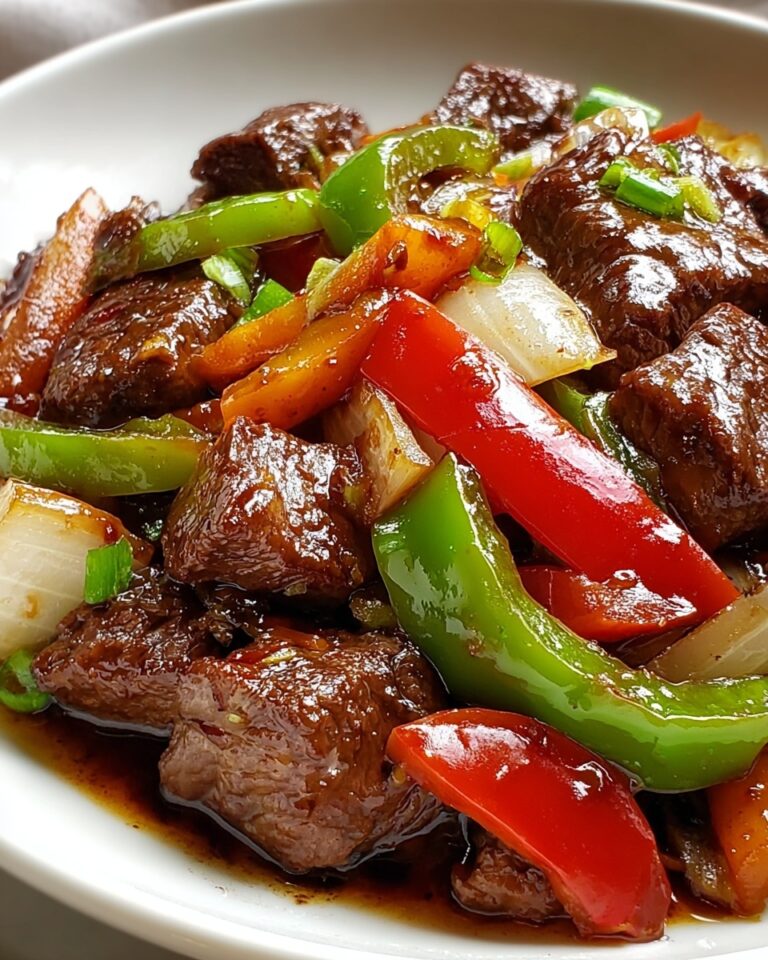
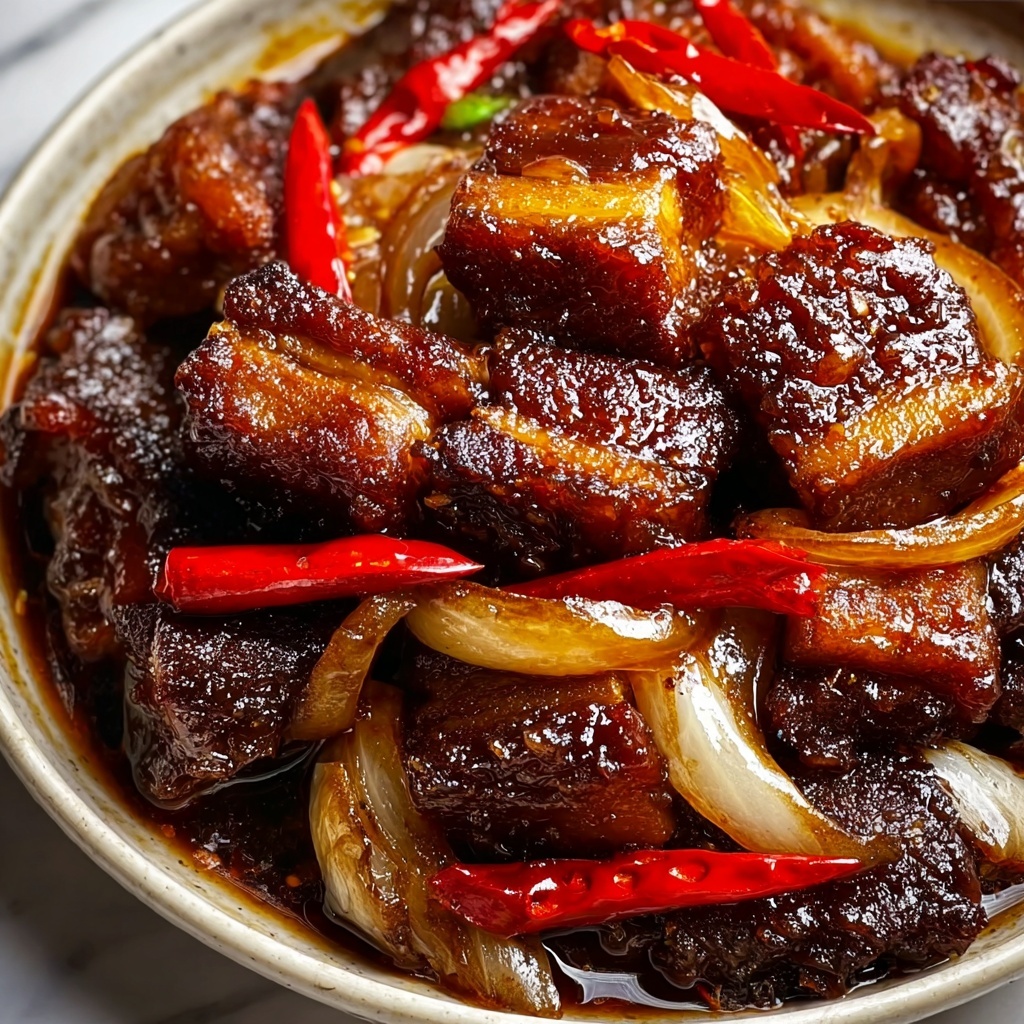
If you’re craving a dish that perfectly balances crispy, tender beef with a tangy, sweet, and savory sauce, look no further than this irresistible Beijing Beef Recipe. This dish brings that iconic red restaurant-style glaze together with fresh vegetables and a satisfying crunch that makes every bite a delight. Whether you’re new to stir-fries or a seasoned home cook, this recipe combines simple pantry staples and vibrant flavors to create a meal that feels special and comforting all at once.
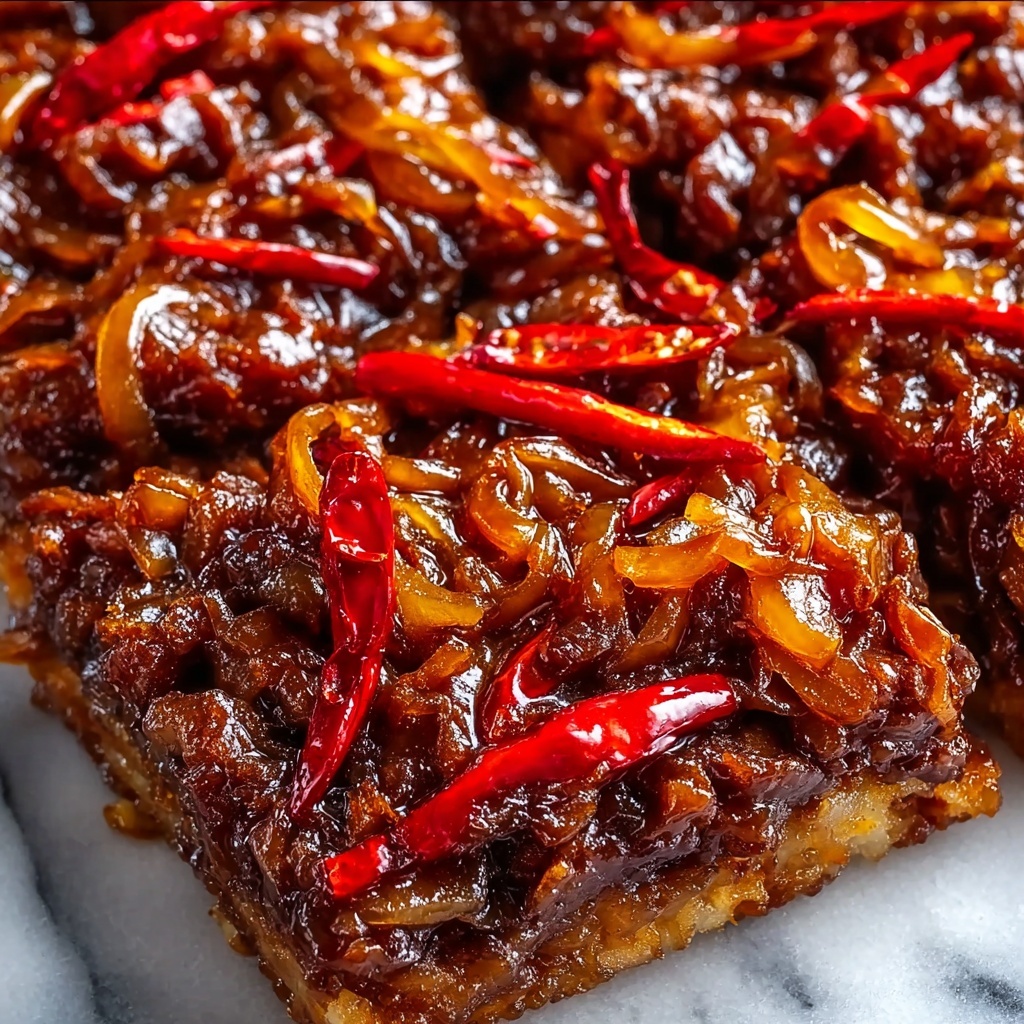
Ingredients You’ll Need
Every ingredient in this Beijing Beef Recipe plays a crucial role, whether adding depth of flavor, crisp texture, or a pop of color. It’s amazing how straightforward and accessible these ingredients are, yet together they create a dish that tastes like a restaurant favorite right at home.
- Beef steak (ribeye, sirloin, or flank), 12 ounces: Choosing a tender cut and slicing thinly against the grain ensures juicy, easy-to-chew beef strips.
- Low-sodium soy sauce, 2 tablespoons + 2 tablespoons: This is the salty backbone of both the marinade and sauce, layering savory umami notes.
- Ground white pepper, ¼ teaspoon: Adds a subtle heat and complexity without overpowering the dish.
- Baking soda, ½ teaspoon: A secret weapon to tenderize the beef quickly during marination.
- Sesame oil, 2 teaspoons: Brings an irresistible nutty aroma and richness to the marinade.
- Sugar, ½ teaspoon: Balances savory flavors with a touch of sweetness.
- Chinese five-spice powder, ½ teaspoon: Imparts a warm, aromatic blend essential for authentic Beijing-style flavor.
- Rice vinegar, 3 tablespoons: The bright acidity that cuts through richness and enhances the sweet and sour sauce.
- Brown sugar, ⅓ cup (packed): Deep caramel notes that enrich the sauce’s sweetness.
- Ketchup, ⅓ cup: The base for that tangy tomato punch that you love in Beijing beef sauce.
- Tomato paste, 1 tablespoon: Concentrated flavor that thickens and deepens the color of the sauce.
- Hoisin sauce (or oyster sauce), 2 tablespoons: Adds an earthy, sweet-savory dimension to the sauce.
- Cornstarch, 1 teaspoon: Helps thicken the sauce to a luscious consistency.
- Large egg whites, 2: Bind the marinade to the beef and help the cornstarch stick for a crisp fry.
- Cornstarch, 1 cup (for coating): Creates that signature crunchy crust on the beef.
- Vegetable oil, for frying: Neutral oil used for frying beef to a perfect golden crisp.
- Peanut oil, 2 tablespoons: Adds a different fragrance and is ideal for stir-frying vegetables.
- Garlic, 3 cloves minced: Infuses the dish with aromatic warmth.
- Onion, 1 medium, cut into 1-inch pieces: Provides sweetness and crunch.
- Bell pepper, 1 large, cut into 1-inch pieces: Adds vibrant color and fresh texture.
- Red chili pepper, thinly sliced: A little kick of heat for balance and excitement.
- Cooked rice or noodles, for serving: The perfect canvas to soak up all the luscious sauce.
How to Make Beijing Beef Recipe
Step 1: Marinate the Beef
The first magic step is marinating the beef to maximize flavor and tenderness. Combine the soy sauce, white pepper, baking soda, sesame oil, sugar, and Chinese five-spice powder in a bowl. Toss the thinly sliced beef in this mixture and let it rest in the fridge for 15 minutes. This step softens the meat and infuses it with those iconic Beijing spices. Baking soda might sound unusual, but it truly makes the beef beautifully tender, so don’t skip it!
Step 2: Prepare the Sauce
While your beef is soaking up flavors, whisk together all the sauce ingredients in a separate bowl: rice vinegar, brown sugar, ketchup, tomato paste, hoisin sauce, cornstarch, and soy sauce. The mixture balances sweet, sour, and umami with a perfect glossy finish that will coat your crisp beef strips. Getting this sauce ready ahead means the final stir-fry flows smoothly.
Step 3: Coat the Beef
Add the egg whites to the marinated beef to help the cornstarch adhere well. Then dredge each strip thoroughly in cornstarch, making sure every piece is coated in that fine powder. This coating is what creates that addicting crunchy texture when fried. Don’t rush through this step because the crispiness is the hallmark of a great Beijing Beef Recipe.
Step 4: Fry the Beef
Heat about an inch of vegetable oil in a wok or large skillet to roughly 350°F (177°C). Fry the beef in small batches so they cook evenly and maintain crispness. Each strip should turn a deep golden brown and crunchy. Once out of the oil, lay the beef strips on paper towels to absorb excess oil, keeping every bite perfectly crispy and never greasy.
Step 5: Stir-fry the Vegetables
Discard most of the oil, leaving about a tablespoon. Add peanut oil for an extra layer of flavor, then toss in minced garlic, chopped onion, and bell pepper. Sauté these until they soften just slightly but still have a bit of crunch. This freshness and texture contrast elevate the overall dish and balance the crispy beef beautifully.
Step 6: Combine and Finish the Beijing Beef Recipe
Pour the prepared sweet and sour sauce into the wok with the vegetables and cook, stirring constantly until it thickens to a luscious glaze. Add the fried beef back to the wok along with the thinly sliced red chili pepper for subtle heat. Toss everything gently so each crispy piece is generously coated in that glossy sauce. Serve hot immediately over cooked rice or noodles to soak up all the delicious sauce.
How to Serve Beijing Beef Recipe
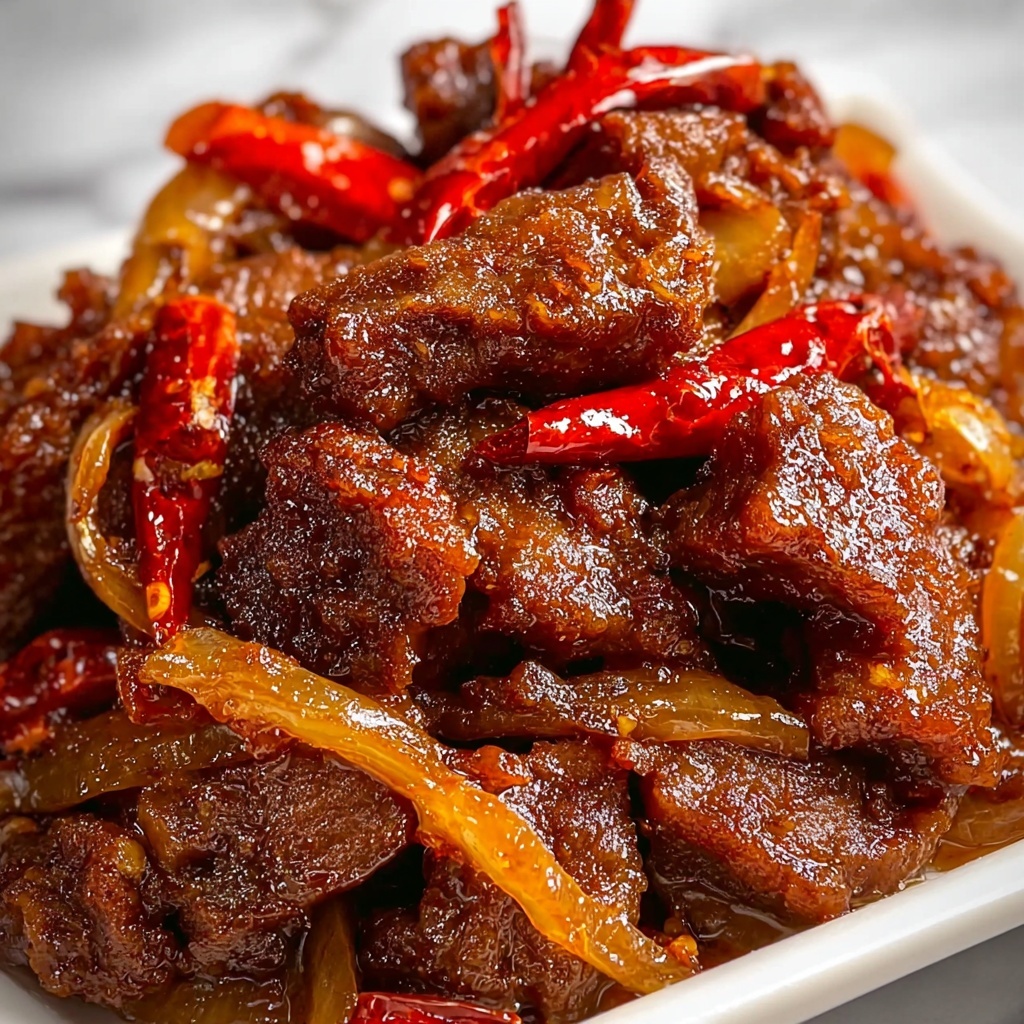
Garnishes
Fresh garnishes like chopped scallions or a sprinkle of toasted sesame seeds add a fresh crunch and nutty note to bring the dish alive. A squeeze of lime or a few sprigs of cilantro can also bring brightness that complements the rich sauce.
Side Dishes
Serve this Beijing Beef alongside fluffy steamed jasmine rice, comforting fried rice, or even simple lo mein noodles. Light vegetable stir-fry or steamed bok choy also pairs wonderfully for a well-rounded meal with excellent texture and flavor contrasts.
Creative Ways to Present
For a fun twist, serve the crispy beef in lettuce cups with diced cucumbers and shredded carrots for a fresh handheld bite. Alternatively, pile it onto bao buns or crispy wonton cups for an impressive appetizer or party snack. This Beijing Beef Recipe is versatile enough to shine in many exciting presentations!
Make Ahead and Storage
Storing Leftovers
Leftover Beijing Beef keeps well in an airtight container in the refrigerator for up to 3 days. To maintain the best texture, keep the sauce and beef separate if possible, and reassemble before reheating.
Freezing
While the beef’s crispiness will reduce after freezing, you can freeze the cooked beef and sauce together in a freezer-safe container for up to 2 months. Thaw overnight in the fridge before reheating gently.
Reheating
To revive some of that delightful crunch, reheat the beef in a hot skillet or oven instead of the microwave. Gently warming the sauce separately and then combining ensures the flavors stay vibrant without turning soggy.
FAQs
Can I use other cuts of beef for this recipe?
Absolutely! Ribeye, sirloin, or flank steak all work beautifully because they stay tender when sliced thin and cooked quickly. Avoid tougher cuts unless you marinate longer for tenderness.
Is it necessary to use baking soda in the marinade?
Yes, baking soda tenderizes the beef by breaking down proteins quickly. This simple step transforms the texture, especially with leaner cuts, making the beef soft and pleasing to bite into.
Can I make this recipe gluten-free?
Yes! Use tamari or a gluten-free soy sauce substitute and ensure the hoisin or oyster sauce you pick is gluten-free. This way, you can enjoy all the flavor without worry.
What are good substitutes for hoisin sauce?
If you don’t have hoisin sauce, oyster sauce is a fine alternative. If neither is available, a mix of soy sauce with a little honey and garlic powder can mimic the sweet-savory effect.
How spicy is this Beijing Beef Recipe?
The dish has a mild warmth from the white pepper and red chili slices, but it is not overwhelmingly spicy. You can adjust the heat by adding more or less chili pepper based on your preference.
Final Thoughts
This Beijing Beef Recipe is one of those dishes that feels like a celebration every time you make it. Between the crispy, tender beef, the vibrant vegetables, and the luscious sauce, it’s a perfect dinner to share with family or impress friends. Dive into this recipe and discover just how simple ingredients and a bit of care can bring restaurant-quality flavor right to your table. Trust me, once you try it, this will become a cherished favorite in your cooking repertoire!
Print
Beijing Beef Recipe
- Prep Time: 15 minutes
- Cook Time: 15 minutes
- Total Time: 30 minutes
- Yield: 4 servings
- Category: Main Course
- Method: Frying
- Cuisine: Chinese
Description
This Beijing Beef recipe features crispy, marinated strips of beef stir-fried with vibrant bell peppers, onions, and a spicy-sweet sauce, delivering authentic Asian flavors perfect for a satisfying weeknight dinner.
Ingredients
Beef and Marinade
- 12 ounces beef steak (ribeye, sirloin, or flank), thinly sliced against the grain
- 2 tablespoons low-sodium soy sauce
- ¼ teaspoon ground white pepper
- ½ teaspoon baking soda
- 2 teaspoons sesame oil
- ½ teaspoon sugar
- ½ teaspoon Chinese five-spice powder
Sweet and Sour Sauce
- 3 tablespoons rice vinegar
- ⅓ cup packed brown sugar
- ⅓ cup ketchup
- 1 tablespoon tomato paste
- 2 tablespoons hoisin sauce (or oyster sauce)
- 1 teaspoon cornstarch
- 2 tablespoons low-sodium soy sauce
Coating and Frying
- 2 large egg whites
- 1 cup cornstarch
- Vegetable oil, for frying (about 1 inch deep)
- 2 tablespoons peanut oil
Vegetables
- 3 cloves garlic, minced
- 1 medium onion, cut into 1-inch pieces
- 1 large bell pepper, cut into 1-inch pieces
- 1 red chili pepper, thinly sliced
Serving
- Cooked rice or noodles, for serving
Instructions
- Marinate Beef: In a bowl, combine the beef strips with 2 tablespoons low-sodium soy sauce, ground white pepper, baking soda, sesame oil, sugar, and Chinese five-spice powder. Mix thoroughly, cover, and refrigerate for 15 minutes to tenderize and season the beef.
- Prepare Sauce: In another bowl, whisk together rice vinegar, brown sugar, ketchup, tomato paste, hoisin sauce, cornstarch, and additional soy sauce until smooth. Set this sweet and sour sauce aside.
- Coat Beef: Add egg whites to the marinated beef, mixing well to ensure even coating. Dredge each beef strip in cornstarch, making sure they are fully coated for a crispy texture when fried.
- Fry Beef: Heat about 1 inch of vegetable oil in a wok or large skillet to 350°F (177°C). Fry the beef strips in batches to avoid overcrowding, cooking until crispy and golden brown. Remove and drain on paper towels to remove excess oil.
- Stir-fry Vegetables: Discard excess oil from the wok, leaving a small amount, then add peanut oil. Stir-fry minced garlic, onion pieces, and bell pepper chunks over medium-high heat until the vegetables are softened but still vibrant.
- Combine and Finish: Pour the sweet and sour sauce into the wok with the vegetables. Cook, stirring frequently, until the sauce thickens and coats the vegetables nicely. Add the fried beef and sliced red chili pepper, tossing everything together to evenly coat with sauce and heat through.
- Serve: Transfer the Beijing Beef to plates and serve immediately over steamed rice or noodles for a complete and flavorful meal.
Notes
- Use baking soda in the marinade to tenderize the beef for a softer texture.
- Frying the beef in small batches ensures maximum crispiness without lowering oil temperature.
- Adjust the amount of chili pepper to control the spice level according to your preference.
- Use low-sodium soy sauce to keep salt levels moderate and allow the flavors of the sauce to shine.
- Substitute hoisin sauce with oyster sauce if preferred for a slightly different depth of flavor.