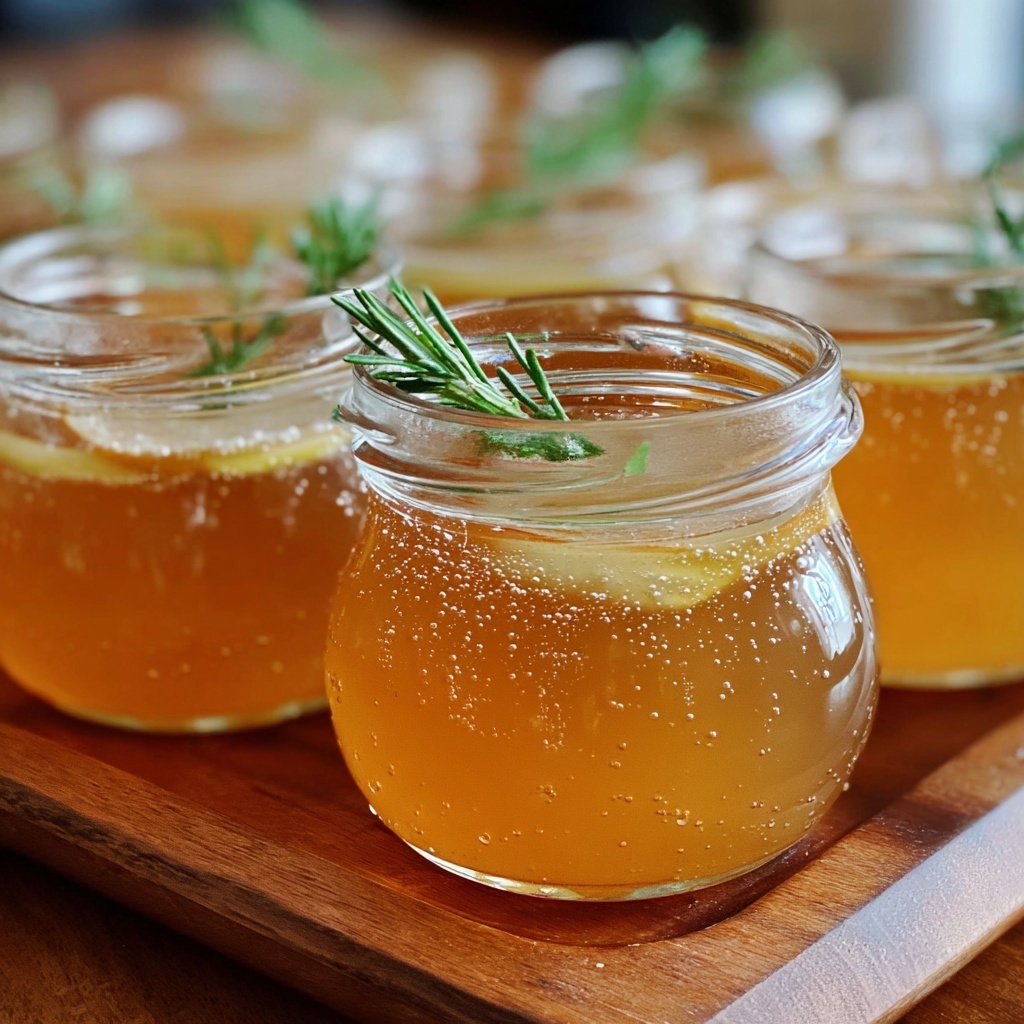
If you are craving a natural, delightfully sweet spread that bursts with cozy autumn vibes, the Pear Honey Recipe is your new best friend in the kitchen. This luscious concoction blends the mellow sweetness of ripe pears with the floral richness of honey, balanced perfectly with a touch of lemon to brighten the flavors. Whether drizzled over toast, stirred into yogurt, or spooned onto cheese boards, this homemade pear honey elevates simple dishes into memorable treats. Trust me, once you try this, pear honey will become a pantry staple you never knew you needed.
Ingredients You’ll Need
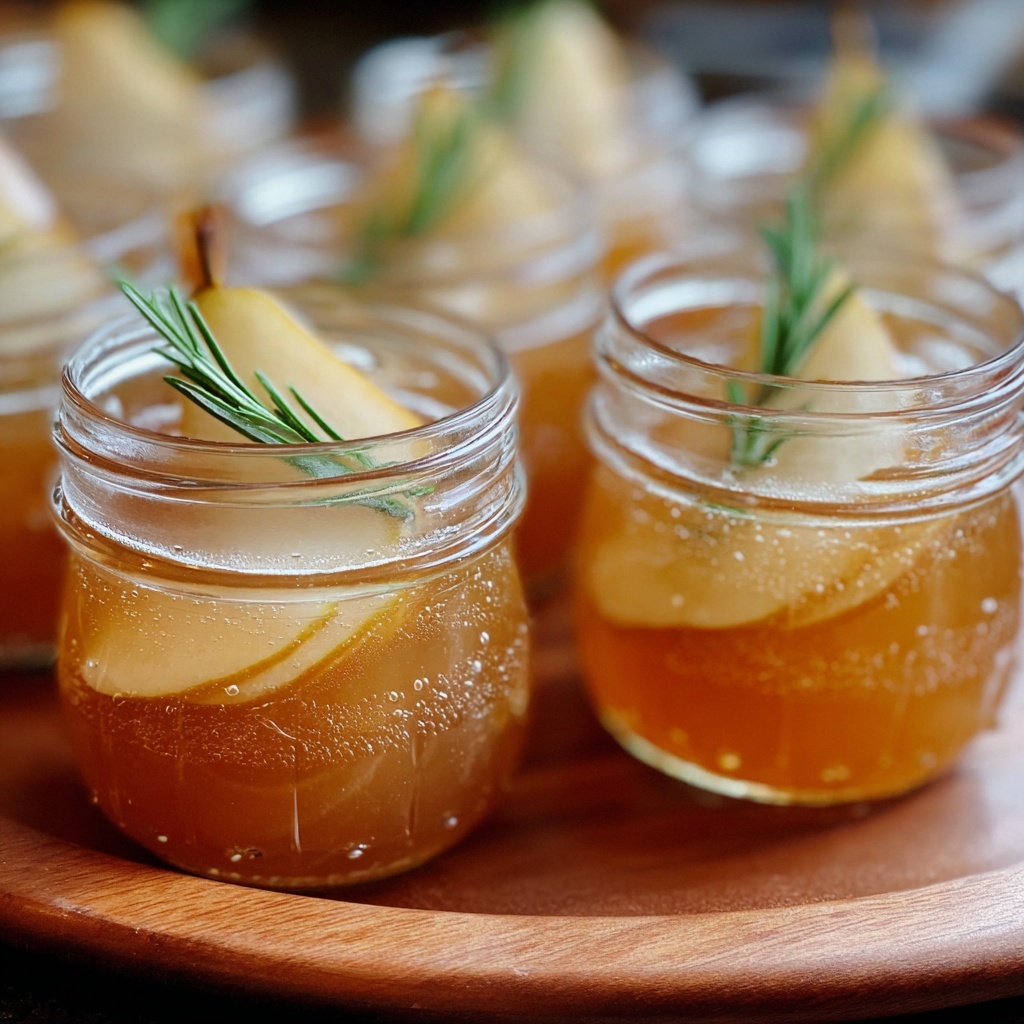
Gathering a few simple, fresh ingredients is all it takes to create the magic of this Pear Honey Recipe. Each one plays an essential role, contributing to the natural sweetness, vibrant flavor, and smooth texture of the final syrup.
- 4 ripe pears, peeled, cored, and chopped: Choose aromatic, juicy pears to ensure a naturally sweet base for the honey.
- 1/2 cup honey: Adds depth and that classic warm sweetness that blends perfectly with pear.
- 1/2 cup water: Helps the pears cook down gently to a luscious puree without sticking.
- 1 tablespoon lemon juice: Brightens the flavor, balancing sweetness and preserving the lovely aroma.
How to Make Pear Honey Recipe
Step 1: Simmer the Pears
Start by placing the chopped pears, water, and lemon juice in a medium saucepan over medium heat. This gentle cooking releases the natural juices and softens the pear into a tender, easy-to-blend mixture. The lemon juice also helps keep the pear’s color fresh and appetizing.
Step 2: Bring to a Boil and Simmer
Once the mixture reaches a gentle boil, reduce the heat and let it simmer for about 20 to 25 minutes until the pears are beautifully soft. This slow cooking process enhances the pear’s sweetness without burning or drying it out, making the base perfectly tender for pureeing.
Step 3: Puree Until Smooth
Using a blender or immersion blender, carefully puree the cooked pears until silky smooth. This step transforms the softened fruit into the luscious heart of your pear honey, creating that lovely syrupy texture we all crave.
Step 4: Stir in the Honey
Return the pear puree to the saucepan and mix in the honey. This is where the pear honey truly comes alive—the honey not only sweetens but adds a floral, complex note that pairs amazingly with the fruit’s gentle flavor.
Step 5: Thicken the Syrup
Allow the mixture to simmer on low heat for about 10 minutes, stirring frequently. This gentle reduction helps the syrup thicken slightly, concentrating the flavors and giving the pear honey a heavenly, pourable consistency perfect for drizzling.
Step 6: Cool and Strain
Remove the saucepan from heat and let the pear honey cool completely. For an ultra-smooth finish, strain the syrup through a fine mesh sieve to remove any remaining pulp—totally optional but adds a nice silky touch.
Step 7: Store and Enjoy
Transfer your finished pear honey into a clean jar and refrigerate. It keeps beautifully for up to two weeks, ready to bring its sweet charm to any dish whenever you want.
How to Serve Pear Honey Recipe
Garnishes
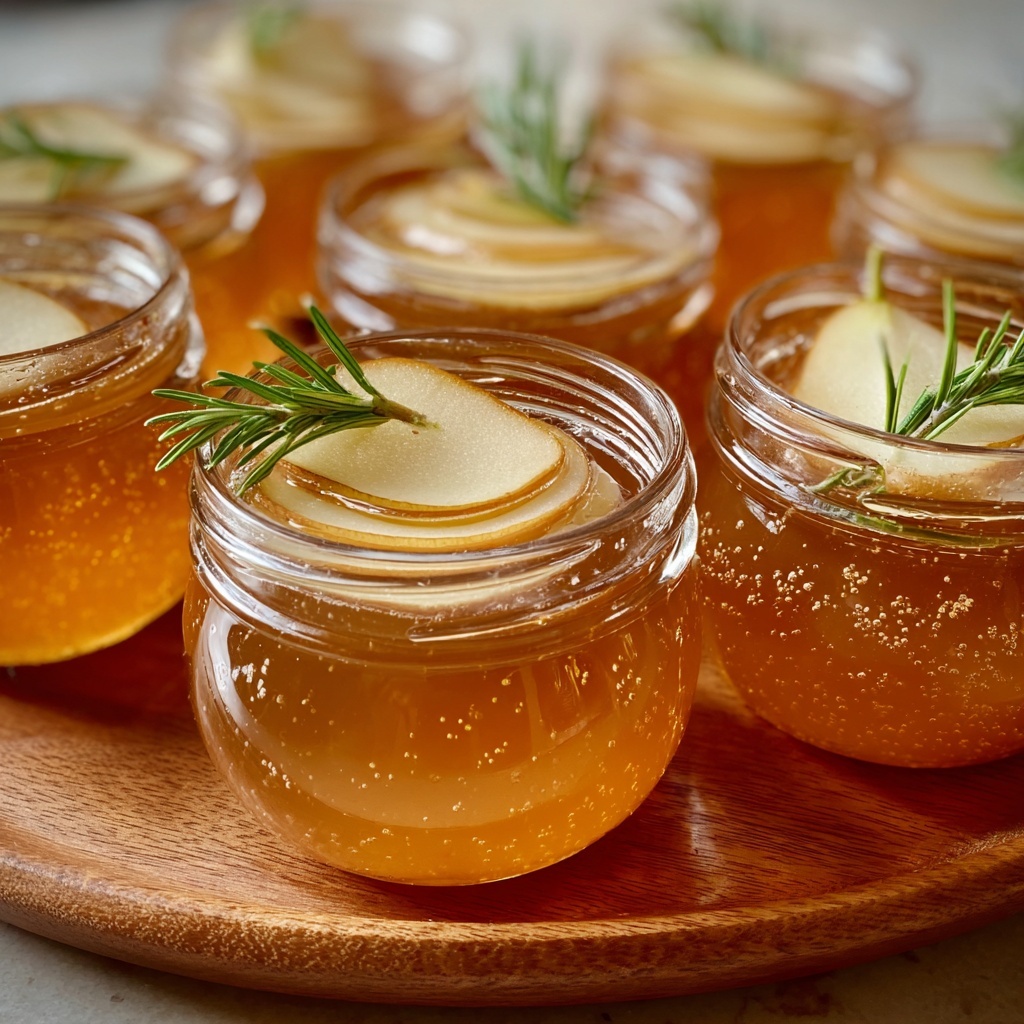
This pear honey pairs gorgeously with a sprinkle of toasted nuts or fresh herbs like thyme or rosemary. Adding a little crumbly goat cheese or a few shards of aged cheddar mellows out the sweetness and amps up the flavor complexity for a show-stopping appetizer or snack.
Side Dishes
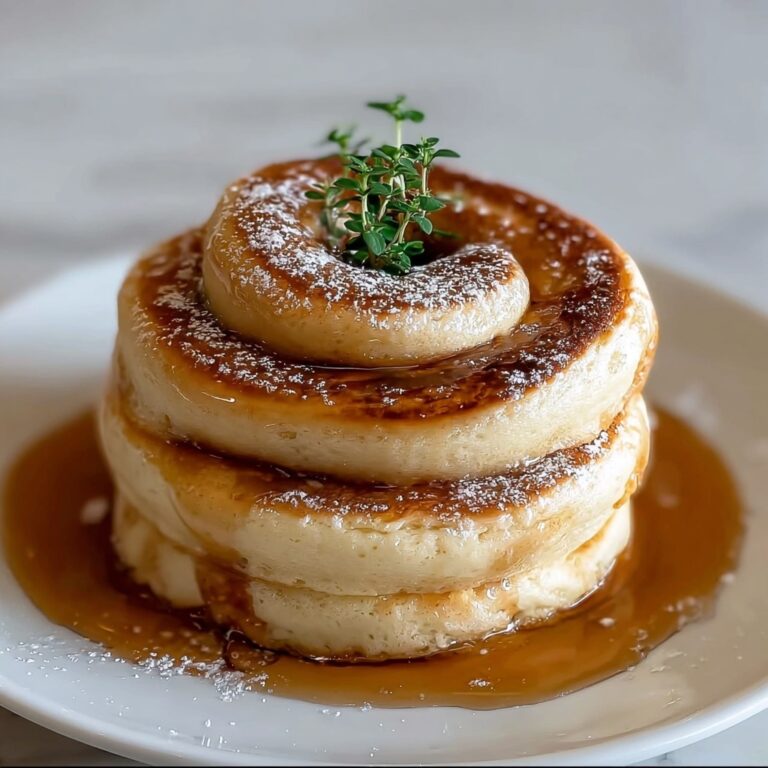
Serve pear honey alongside warm buttered biscuits, fluffy pancakes, or crispy waffles for breakfast. It also sparkles when mixed into salad dressings or drizzled over roasted veggies like sweet potatoes or carrots, making it a versatile companion to many meals.
Creative Ways to Present
Try swirling the pear honey into oatmeal or yogurt bowls for a burst of natural fruitiness. You can also use it as a glaze for grilled chicken or pork, adding a sticky, sweet finish with a hint of fruit. The possibilities with this Pear Honey Recipe are as limitless as your imagination.
Make Ahead and Storage
Storing Leftovers
Keep your pear honey refrigerated in a tightly sealed jar for up to two weeks. The cool storage preserves freshness and flavor, ensuring every spoonful tastes just as wonderful as the first.
Freezing
If you want to enjoy pear honey for longer, freeze it in an airtight container. Although the texture may thicken slightly upon thawing, simply warm it gently to restore its pourable goodness.
Reheating
To reheat, place your pear honey in a small saucepan over low heat, stirring often until smooth and warm. Avoid overheating, which can alter the delicate honey flavor and consistency.
FAQs
Can I use different types of pears for this recipe?
Absolutely! Bartlett and Anjou pears work wonderfully, but feel free to experiment with any ripe variety you enjoy. Just be sure they’re fragrant and juicy for the best flavor.
Is there a way to sweeten this without honey?
Yes, you can substitute honey with maple syrup or agave nectar for a different but still delicious sweetness. Keep in mind that each will subtly alter the flavor profile.
How thick should the pear honey be?
It should have a syrupy consistency—thick enough to coat a spoon but still pourable. Simmering it longer will thicken it further, so adjust according to your preference.
Can I make this Pear Honey Recipe vegan?
Definitely! Simply replace honey with your favorite plant-based sweetener like maple syrup or agave nectar to keep it fully vegan while maintaining that wonderful sweetness.
What are some creative uses for pear honey?
Use it as a topping for ice cream, mix it into tea for a fruity twist, or as a glaze for baked ham. Its versatility makes it fantastic for both sweet and savory dishes.
Final Thoughts
I can’t recommend this Pear Honey Recipe enough if you love natural, homemade treats bursting with flavor. It’s easy to make, wonderfully versatile, and downright delicious. Give it a try and watch your kitchen fill with the warm, inviting aroma of pears and honey that will keep you coming back for more.
Print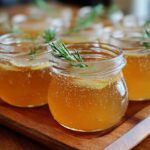
Pear Honey Recipe
- Prep Time: 10 minutes
- Cook Time: 35 minutes
- Total Time: 45 minutes
- Yield: About 1 cup
- Category: Sauce/Syrup
- Method: Stovetop
- Cuisine: General
Description
This homemade Pear Honey is a naturally sweet and luscious syrup made from ripe pears, honey, and a touch of lemon juice. Perfect as a sweetener for teas, drizzled over pancakes, or as a flavorful addition to desserts, this pear-infused honey syrup is easy to prepare and offers a delightful fruity twist on traditional honey.
Ingredients
Ingredients
- 4 ripe pears, peeled, cored, and chopped
- 1/2 cup honey
- 1/2 cup water
- 1 tablespoon lemon juice
Instructions
- Prepare the fruit: Peel, core, and chop 4 ripe pears into small pieces to allow for even cooking and blending.
- Combine in saucepan: Place the chopped pears, 1/2 cup of water, and 1 tablespoon of lemon juice into a medium saucepan set over medium heat.
- Simmer pears: Bring the mixture to a gentle boil, then reduce the heat to low and simmer for 20-25 minutes, or until the pears become very soft and tender.
- Puree the pears: Use a blender or an immersion blender to puree the cooked pears until you get a smooth consistency, free of lumps.
- Add honey: Return the pear puree back to the saucepan and stir in 1/2 cup of honey until fully combined.
- Thicken the syrup: Simmer the mixture on low heat for another 10 minutes, stirring frequently to prevent burning and to help the syrup thicken slightly.
- Cool the syrup: Remove the saucepan from heat and let the pear honey cool to room temperature.
- Strain (optional): For a smoother texture, strain the syrup through a fine mesh sieve to remove any remaining pulp.
- Store: Transfer the pear honey to a clean jar and refrigerate. Use within 2 weeks for best freshness.
Notes
- You can adjust the consistency by simmering longer for thicker syrup or adding a little more water for thinner syrup.
- This pear honey pairs beautifully with herbal teas, yogurt, pancakes, or as a glaze for roasted meats.
- For a vegan version, substitute honey with maple syrup or agave nectar.
- Ensure pears are ripe and sweet for the best flavor.
- Store in the refrigerator to maintain freshness and prevent spoilage.