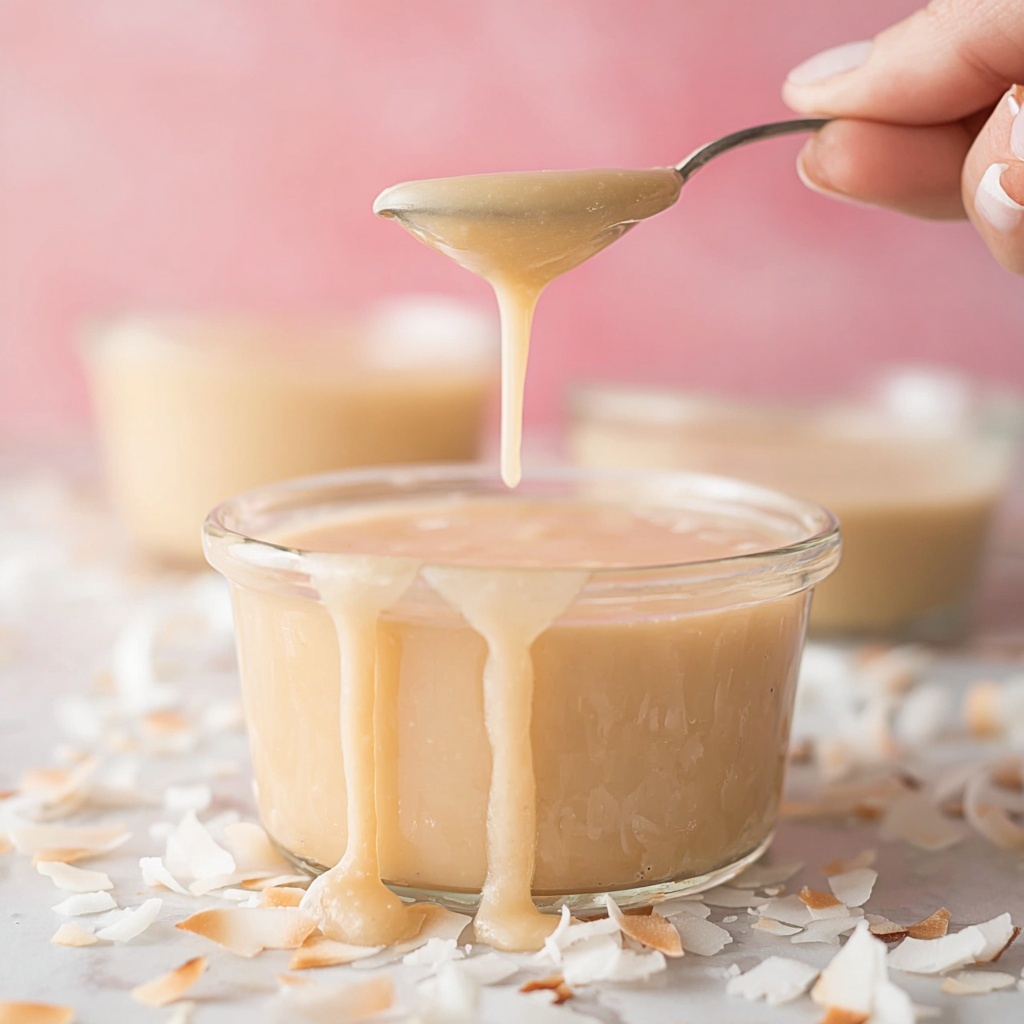
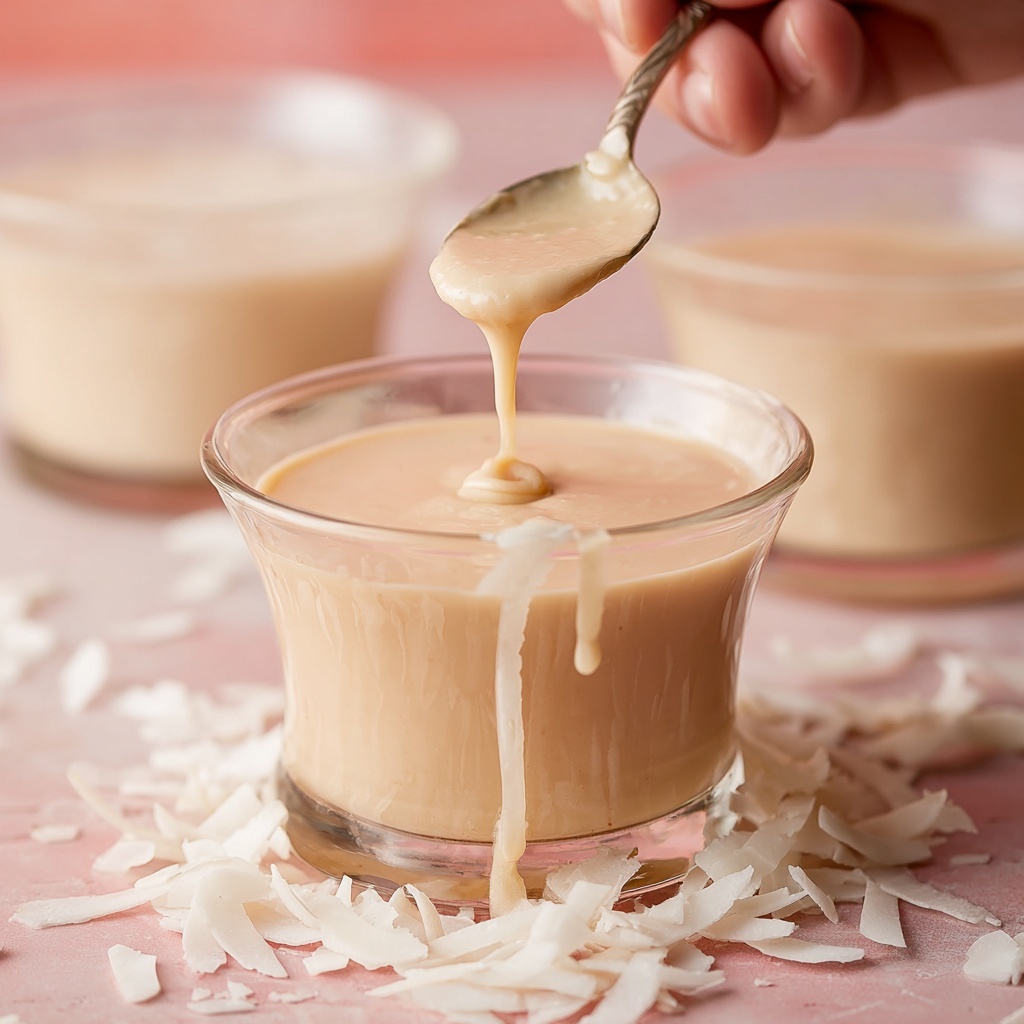
If you’ve ever wondered how to create that luscious, creamy spread that tastes like pure tropical bliss, you’re in for a treat. This guide on How To Make Coconut Butter (Coconut Manna) Recipe will walk you through crafting this delicious, velvety coconut spread right in your kitchen with just one simple ingredient. It’s the perfect fusion of rich coconut flavor and smooth texture, a pantry staple that transforms everyday dishes into something extraordinary.
Ingredients You’ll Need
Making this delightful coconut butter couldn’t be easier, and the ingredients list reflects that! Each component plays a vital role in building that irresistible richness, taste, and creamy texture you’re aiming for.
- 300 g unsweetened dried coconut flakes: The heart and soul of this recipe, these flakes provide the natural oils and sweetness needed for the perfect coconut butter.
How to Make How To Make Coconut Butter (Coconut Manna) Recipe
Step 1: Start Blending the First Portion
Begin by adding 200 grams (⅔) of the dried coconut flakes to your food processor. Blitz them for about one minute until you see the flakes break down to a shredded texture. This initial step sets the stage by breaking apart the flakes to help release their oils smoothly. If your processor is a larger model (around three liters or more), you might skip dividing the flakes and process them all at once, but if it’s smaller, start with this portion to avoid overfilling.
Step 2: Add Remaining Coconut Flakes and Continue Blending
Next, add the remaining one-third of the dry coconut flakes into the food processor. Keep blending, and after a few minutes, you will notice the mixture turning into a sandy texture. Don’t forget to pause occasionally to scrape down the sides of the bowl with a spatula — this helps everything blend evenly and prevents clumping.
Step 3: Blend Until Creamy Perfection
This is where the magic happens. Continue processing the coconut mixture, turning off the machine from time to time to scrape the sides. Over up to 10 minutes, the flakes will slowly release their natural oils, creating a creamy, smooth butter. Patience is key here, and the end result is completely worth it—a luscious coconut manna with a rich texture.
Step 4: Transfer and Store Your Coconut Butter
Once your coconut butter reaches that beautiful creamy consistency, transfer it into a sealed airtight jar for storage. Keep it at room temperature inside a dark cupboard where it will last up to two weeks, or refrigerate to extend storage up to a couple of months. Depending on your environment, the butter might be runny if it’s warm or solidify in the cold. To restore a creamy, spreadable texture, gently warm it using a double boiler or low microwave heat.
How to Serve How To Make Coconut Butter (Coconut Manna) Recipe
Garnishes
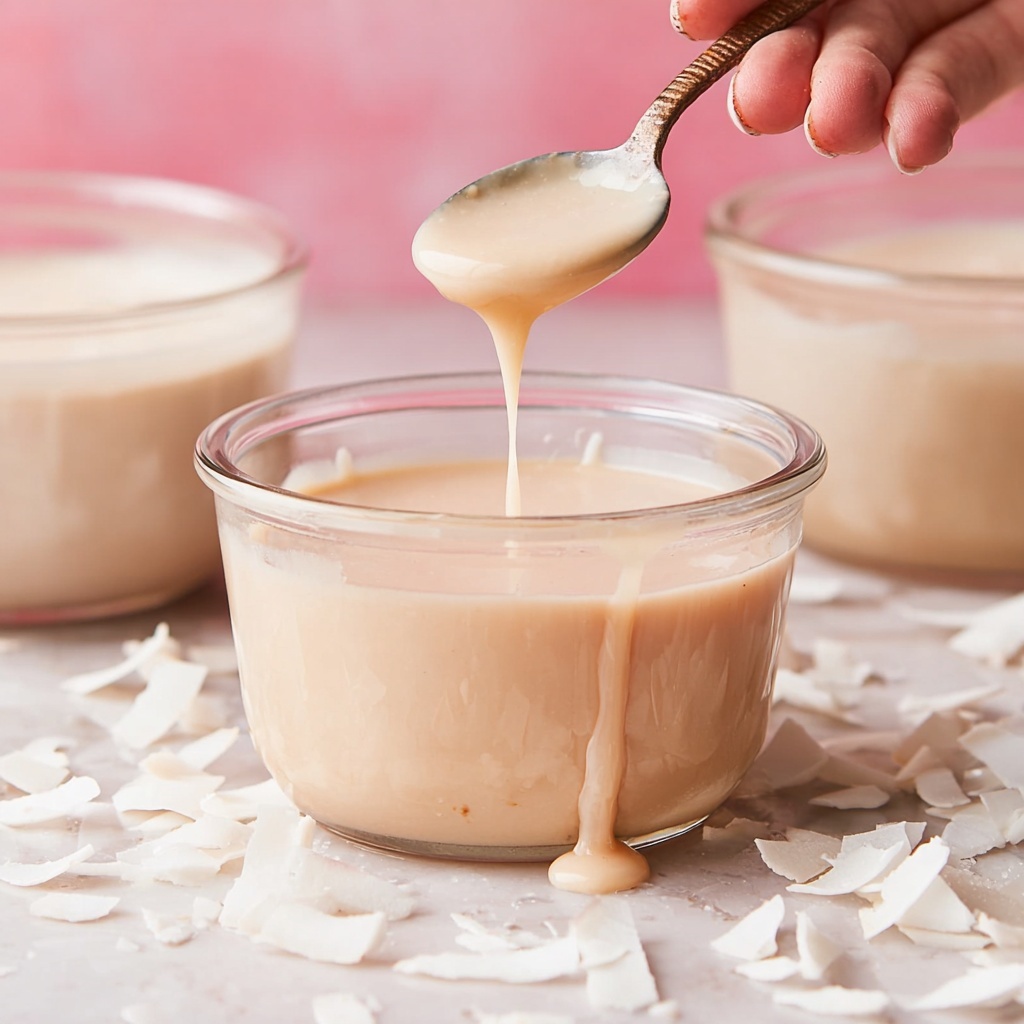
Coconut butter is incredibly versatile as a garnish. Try drizzling a spoonful over oatmeal, smoothie bowls, or pancakes to add a burst of creamy coconut flavor and a touch of decadence. A sprinkle of toasted coconut flakes or a dash of cinnamon can make it even more special.
Side Dishes
This coconut manna pairs beautifully alongside tropical-inspired side dishes like mango sticky rice, grilled plantains, or sweet potato fries, offering a smooth contrast to crisp or sweet textures. Its natural sweetness means you can use it as a dip or spread to add richness without overpowering other flavors.
Creative Ways to Present
To really impress, serve coconut butter in small glass jars or ramekins alongside fresh fruit, nuts, or warm bread at brunch or snacks. Mixing it into your sauces or salad dressings can also bring creamy coconut goodness and a hint of sweetness to savory dishes. The possibilities are as broad as your imagination!
Make Ahead and Storage
Storing Leftovers
After enjoying your homemade coconut butter, store any leftovers in a sealed jar to preserve freshness. Keeping it at room temperature is convenient for everyday use, but refrigeration is ideal if you want to extend its shelf life up to a couple of months while maintaining flavor and texture.
Freezing
If you’ve made a large batch or want to keep your coconut butter fresh for longer, freezing is an excellent option. Use airtight containers to avoid freezer burn. When you’re ready to use it, simply thaw in the refrigerator or at room temperature before gently warming it to restore its creamy texture.
Reheating
To bring coconut butter back to a soft and spreadable state, warming is key. Use a double boiler for gentle heat, or microwave in short bursts at low power. Avoid high heat to prevent altering the flavor or losing the buttery consistency.
FAQs
Can I use fresh coconut instead of dried coconut flakes?
Fresh coconut has more moisture, which can impact the texture and shelf life of your coconut butter. Dried coconut flakes are preferred for consistent results and longer storage.
How long does homemade coconut butter last?
Stored properly in a sealed jar, coconut butter lasts about two weeks at room temperature and up to two months when refrigerated.
Is coconut butter the same as coconut oil?
Not quite. Coconut butter includes the shredded coconut meat, so it has fiber and texture, while coconut oil is just the pure fat extracted from coconut meat.
Can I add sweeteners or flavors when making coconut butter?
Absolutely! While pure coconut butter is delicious on its own, you can mix in vanilla, honey, or spices after it’s made to customize the flavor to your liking.
What equipment do I need to make this recipe?
A good-quality food processor is essential because blending coconut flakes into butter requires power and time to release the natural oils fully.
Final Thoughts
Making your own creamy, dreamy coconut butter at home is truly a rewarding experience, and this How To Make Coconut Butter (Coconut Manna) Recipe will have you whipping up batches in no time. It’s a fantastic way to add a touch of tropical luxury to breakfasts, snacks, and even savory dishes. I’m sure once you try it, you’ll be hooked just like I am—so go ahead and dive into this coconut goodness today!
Print
How To Make Coconut Butter (Coconut Manna) Recipe
- Prep Time: 10 minutes
- Cook Time: 0 minutes
- Total Time: 10 minutes
- Yield: 1 cup (approximately 270 grams)
- Category: Condiment
- Method: Blending
- Cuisine: Vegan
- Diet: Vegan
Description
Learn how to make rich and creamy coconut butter (also known as coconut manna) at home using unsweetened dried coconut flakes and a food processor. This easy, no-cook recipe turns natural shredded coconut into a smooth, spreadable butter perfect for smoothies, baking, or as a dairy-free alternative to traditional nut butters.
Ingredients
Ingredients
- 300 g unsweetened dried coconut flakes
Instructions
- Initial Grinding: Add 200g (⅔) of the coconut flakes to your food processor and blitz for about 1 minute until the flakes have ground down to a shredded consistency. If your food processor is smaller than 3 liters, processing in batches helps make space.
- Add Remaining Flakes: Add the remaining coconut flakes and continue blending. After a couple of minutes, the coconut will have a sand-like texture. Scrape down the sides of the bowl with a spatula to ensure even processing.
- Blend to Creamy Consistency: Continue blending until the coconut breaks down completely to a creamy, spreadable texture. Turn off the processor occasionally and scrape the sides. The whole process should take up to 10 minutes.
- Storage: Transfer the coconut butter to a sealed airtight jar. Store at room temperature in a dark cupboard for up to 2 weeks, or refrigerate for up to a couple of months. It will remain runny in warm climates and solidify in colder conditions. To soften, warm gently over a double boiler or low microwave heat.
Notes
- Using a large food processor (3 liters or more) allows processing all flakes at once; smaller ones may require batch processing.
- The butter solidifies in cooler temperatures but can be re-liquefied by gentle warming.
- Do not overheat when warming to preserve flavor and texture.
- This recipe requires no additional oils or additives—pure coconut flavor and texture.