Description
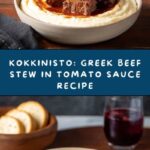
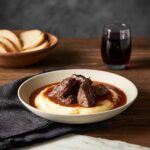
Kokkinisto is a traditional Greek beef stew slow-cooked in a rich tomato sauce flavored with aromatic spices, wine, and a hint of cinnamon and cloves. This hearty dish features tender chunks of beef simmered to perfection, resulting in a comforting and flavorful meal perfect for family dinners or special occasions.
Ingredients
Scale
Beef and Seasoning
- 2.2 lb beef chuck, cut into 2-inch (5cm) chunks
- 2 teaspoons salt
Vegetables and Aromatics
- 1 large onion, chopped
- 1 large carrot, sliced
- 1 clove garlic (use 2 cloves for stronger flavor)
Liquid and Sauce Base
- 2 tablespoons extra virgin olive oil
- 1/2 cup tomato paste
- 1 cup white wine
- 1 2/3 cups pureed tomatoes
- 1 1/2 cups water
- 1 beef bouillon cube (or beef stock equivalent)
Spices and Flavorings
- 2 bay leaves
- 5 cloves
- 1 cinnamon stick
- 5 allspice kernels
- 1/2 teaspoon freshly ground black pepper
- 1/2 teaspoon cocoa powder (optional)
- 2 teaspoons sweet paprika (optional)
Instructions
- Prepare the Meat: Salt the beef chunks and let them come to room temperature. This step is important to ensure the meat browns properly instead of steaming, which imparts better flavor.
- Brown the Beef: Pat the meat dry with paper towels. Heat the olive oil in a large pot or Dutch oven over high heat and sauté the beef without stirring, allowing it to brown on one side before flipping to brown all sides. Alternatively, a pressure cooker can be used for this step.
- Sauté Vegetables: Add chopped onion and sliced carrot to the pot and cook over medium heat, stirring often until the onion becomes soft and translucent, about 3-5 minutes.
- Add Garlic and Tomato Paste: Stir in the garlic and cook for 1 minute. Then add the tomato paste and stir for an additional minute to combine flavors.
- Deglaze with Wine and Add Liquids: Pour in the white wine to deglaze the pan, scraping up the browned bits. Let it simmer for 1 minute to allow alcohol to evaporate. Then add pureed tomatoes, water, beef bouillon, bay leaves, cinnamon stick, cloves, allspice kernels, and black pepper.
- Cook the Stew: If using a pressure cooker, close the lid and cook for 50 minutes from when the valve indicates the meat setting. Let steam release naturally afterward. If using a pot or Dutch oven, bring to a boil, cover with a lid, and simmer over low heat for 2 to 2.5 hours until the beef is fork-tender. Add hot water as needed to maintain consistency.
- Thicken Sauce and Rest Meat: Remove the beef from the pot. If the sauce needs thickening, boil it until it reduces to your desired thickness. Taste and adjust salt if necessary. Return the beef to the sauce and let it rest for 30 minutes to absorb flavors.
- Optional Twist – Blend and Enrich Sauce: Remove the beef and fish out the bay leaves, cinnamon stick, cloves, and allspice. Add paprika and cocoa powder to the sauce, then blend it with an immersion blender until silky smooth. Simmer for 2-3 minutes to meld flavors and thicken if needed. Optionally, stir in a tablespoon of cold butter before serving to enrich the sauce.
Notes
- Letting the meat come to room temperature before browning prevents steaming and ensures better flavor development.
- Keep an eye on the stew during simmering and add hot water if the liquid reduces too much before the meat is tender.
- Using a pressure cooker significantly reduces cooking time and tenderizes the beef effectively.
- The optional cocoa powder and sweet paprika add depth and a subtle complexity to the sauce.
- The butter added at the end enhances the sauce’s richness and glossiness.